Last updated:
Disclosure: As an Amazon Associate we earn from qualifying purchases. This does not change what we recommend. See our affiliate disclaimer.
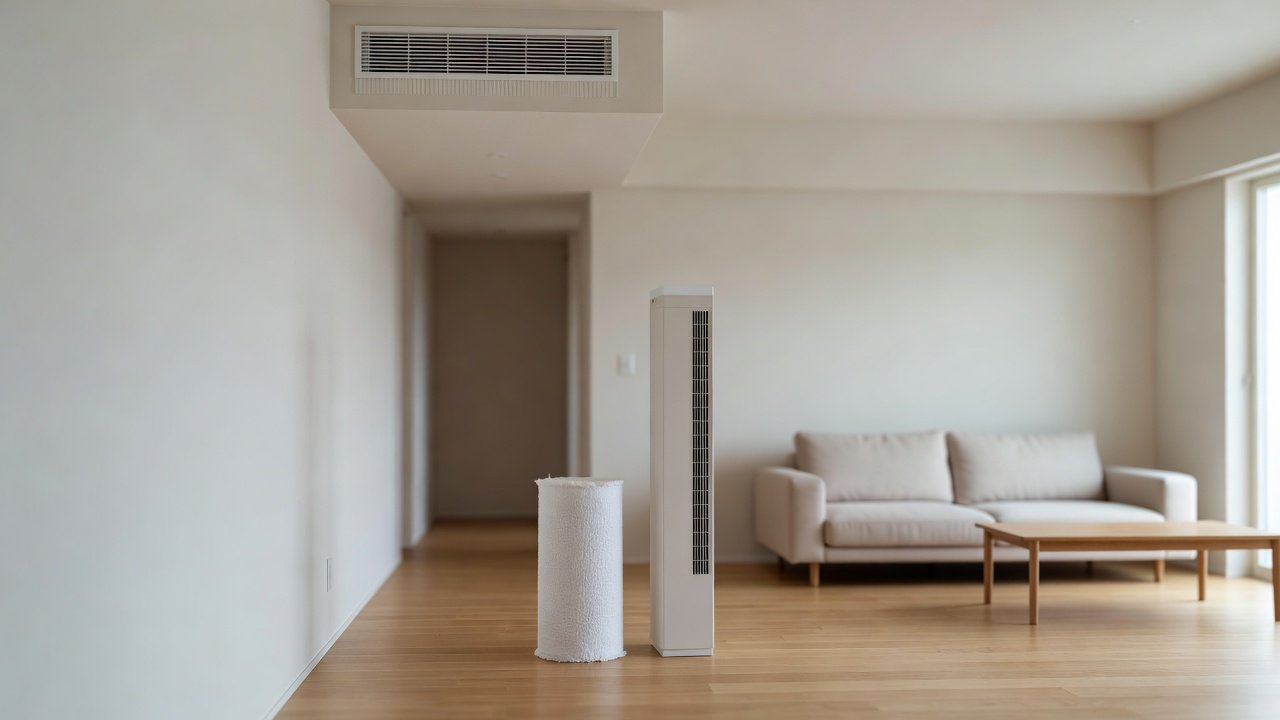
A central heating and cooling system moves air through the whole house, so it can be a way to clean air everywhere. There are two practical routes: upgrade the filter in your HVAC system, or add portable HEPA purifiers to the rooms where you spend the most time.
Each route has limits. A high-efficiency HVAC filter can restrict airflow if the system was not built for it, and an in-duct add-on only cleans air when the system fan is running. Portable units clean one room at a time but work whether or not the HVAC is on.
This guide explains the options, how MERV ratings work, what the EPA says about air cleaners and ozone, and which larger-room HEPA purifiers to compare. It is general information, not a substitute for advice from an HVAC technician. Recommendations follow EPA and AHAM guidance and manufacturer information, not our own tests.
HVAC filter upgrade
- Covers the whole house
- Low added cost
- Only works while the fan runs
- Must suit your system
Portable HEPA units
- Work with the HVAC off
- Easy to move and size per room
- Cover one room each
- Add noise and filter costs
Key Takeaways
- Central air cleaning works through the HVAC filter, and only while the system fan runs.
- The EPA suggests MERV 13 or higher where your system supports it; check airflow before upgrading.
- Some in-duct add-ons use UV or electronic cleaning; the EPA advises against ozone-generating devices.
- Portable HEPA purifiers clean one room at a time and work with the HVAC off.
- Running the fan longer can improve whole-home filtering if your system and energy use allow.
- Seal gaps around the filter slot so air does not bypass the filter.
- A good HVAC filter plus portables in key rooms is a practical plan for most homes.
Making the Most of the Unit You Own
Whatever unit you choose, performance comes from habits: keep the intake clear, close doors in the room, clean the pre-filter on schedule and replace filters when due. Mark dates in your calendar when you change filters so you know when the next one is due. Small routines give more benefit than expensive upgrades.
Top Picks: Larger-Room Purifiers to Pair With Your HVAC
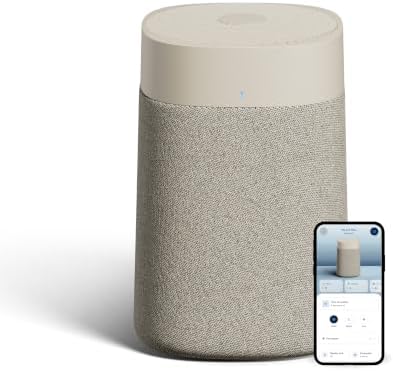
Six larger-room HEPA purifiers for living areas and open plans. Check rated room size, noise and replacement filter cost.





How Central Air Cleaning Works
Your furnace or air handler pulls air through a filter and pushes it back through the ducts. A better filter catches more particles on each pass, but only while the fan is running.
Setting the thermostat fan to run longer, instead of only when heating or cooling, increases how much air passes through the filter.
MERV Ratings in Plain Terms
MERV rates how well a filter captures particles of different sizes, on a scale of 1 to 16 for residential use. The EPA suggests MERV 13 or higher where the system can handle it, because it captures much smaller particles than basic fiberglass filters.
Higher MERV filters are denser and can reduce airflow. Check your system\u2019s manual or ask a technician before moving up.
HVAC Filter Options Compared
| Option | What to know |
|---|---|
| Basic fiberglass (MERV 1 to 4) | Protects equipment, catches little |
| Pleated (MERV 8 to 12) | Good everyday choice |
| MERV 13 to 16 | Better capture, check airflow first |
| True HEPA in-duct | Needs a system built or modified for it |
| Electronic or ionizing add-ons | EPA advises caution about ozone |
Add-On Air Cleaners and Ozone
Some in-duct units use ionization or electronic air cleaning. The EPA advises against devices that deliberately produce ozone, and notes that some ionizers and electrostatic units can generate it as a byproduct.
Look for products certified as low-emitting, and use filter-based cleaning where you can.
When Portable Purifiers Make More Sense
If your system cannot take a high-MERV filter, if you have no ducts, or if one room matters most, a portable HEPA purifier is the simpler answer. A bedroom unit running on low overnight is a common use.
Size the unit by CADR for the room, using AHAM\u2019s two-thirds guideline.
Combine Both
Many homes do best with a sensible HVAC filter changed on schedule plus a portable purifier in the bedroom or living area. Running the fan continuously through a MERV 13 filter, if the system allows, can improve whole-house filtering.
Maintenance
- Check HVAC filters monthly and replace on the maker\u2019s schedule
- Seal gaps around the filter slot so air does not bypass it
- Have ducts and equipment inspected if airflow seems weak
- Keep return vents clear of furniture and rugs
- Change portable purifier filters as recommended
Beyond Filters
Source control and ventilation matter as much as filtration. Fix moisture problems, avoid indoor smoking, use exhaust fans when cooking and bring in fresh air when outdoor conditions are good.
Static Pressure and Why Technicians Care
HVAC technicians talk about static pressure, which is the resistance air meets as it moves through the system. A filter adds resistance. A denser filter adds more. If total resistance exceeds what the blower is designed for, airflow drops, comfort suffers and equipment can wear faster.
This is the reason to ask a professional before going to a very high MERV filter. A technician can measure static pressure and tell you what your system can handle. In some systems, a deeper filter cabinet with more surface area allows high MERV with less resistance.
A Sample Maintenance Calendar
- Monthly: check the filter and replace if dirty
- Every three months: replace a standard pleated filter, or sooner with pets or smoke
- Every six months: check around the filter slot for leaks and gaps
- Yearly: schedule an HVAC tune-up
- As needed: clean return grilles and vents
Humidity, Mold and the HVAC System
HVAC systems can add or remove moisture. Cooling coils condense water, and clogged drain pans can grow microbes. Ducts that leak can pull in dusty attic or crawlspace air. A purifier does not fix those problems. Have your system inspected, keep drain lines clear and keep humidity near the EPA’s suggested 30 to 50 percent range.
When to Add Portables to a Central System
Add portable HEPA purifiers when you want targeted, high-efficiency cleaning in a bedroom or home office, when your system cannot handle a dense filter, when your fan runs rarely or when someone in the household is sensitive to particles. Treat them as a second layer rather than an alternative to good HVAC care.
Duct Leaks and Return Air
Even the best filter cannot clean air that never reaches it. Leaky ducts in an attic or crawlspace can pull in dust, insulation fibers and humid air, and bypass the filter. Leaks on the return side are especially important. A technician can test ducts and seal them with mastic or approved tape.
Check that return vents are not blocked by furniture and that the filter slot door seals. A thin gap can let unfiltered air around the filter.
Choosing a Whole-House Strategy by Situation
| Situation | Suggested approach |
|---|---|
| Newer system, no known airflow limits | Try MERV 13 if the manual allows |
| Older system | Stick to the filter the maker recommends, add portables |
| No ducts | Use portable HEPA purifiers |
| Allergies or asthma in one person | Prioritise a HEPA purifier in that person’s bedroom |
| Wildfire smoke area | High-MERV filter if supported plus portables, windows closed |
In every case, change filters on schedule and keep return vents clear.
Costs to Compare
Compare the filter price per year, installation cost for any in-duct device, electricity from longer fan runs and the cost of portable purifiers and their filters. A better HVAC filter changed on schedule is often the best value. Portable units cost more up front but offer targeted cleaning.
How to Choose
- Check what MERV your HVAC system supports.
- Run the fan longer if the system allows.
- Add a portable HEPA in rooms that matter most.
- Size portables by CADR.
- Avoid ozone-producing devices.
- Change all filters on schedule.
Do
- Match the unit’s rated coverage to your room first
- Run it consistently, not only when the air feels bad
- Leave space around the unit for airflow
- Replace filters on the maker’s schedule
Don’t
- Do not buy on looks or price alone
- Do not block the intake or exhaust
- Do not skip filter changes
- Do not expect a purifier to fix every source of pollution
Honest Limits
- This guide uses manufacturer information and public guidance from the EPA and AHAM, not our own lab tests.
- Features and room ratings change between model years, so confirm on the listing before you buy.
- A purifier is not a medical device and does not replace medical advice or treatment.
Who Should Skip This
Skip in-duct electronic or ozone-producing add-ons unless an HVAC professional recommends them and independent data shows low emissions.
Skip very dense filters if your system manual or technician advises against them.
When to See a Professional
Ask a qualified HVAC technician before changing filter types, installing in-duct devices or altering fan settings. They can check static pressure, duct leaks and drain pans.
If you have asthma or allergies, talk to a doctor about care. This page is general information.
Frequently Asked Questions
Can an air purifier work with an HVAC system?
Yes. Upgrade the system filter to the highest MERV your system supports, change it on schedule and add portable HEPA purifiers in rooms that matter most.
What MERV rating should I use?
The EPA suggests MERV 13 or higher where the system supports it. Check your manual or ask a technician, because denser filters can restrict airflow in systems not designed for them.
Can a high MERV filter harm my system?
It can strain equipment if the airflow resistance is too high for the blower. A technician can check static pressure and recommend a filter or a larger filter cabinet.
Do I need to run the fan constantly?
Longer fan run times filter more air, but they use more electricity and can affect humidity in summer. Ask a technician about settings for your system.
Are in-duct ionizers safe?
The EPA advises against devices that produce ozone, and some ionizers and electronic cleaners do. Look for independent emissions data and professional advice.
Is a portable purifier enough for a whole house?
Not by itself. It cleans the room it is in. Use portables as a second layer with a good HVAC filter and ventilation.
How often should I change my HVAC filter?
Follow the filter maker’s guidance, often every one to three months, and sooner with pets, smoke or heavy dust. Check monthly.
Do HEPA filters fit in my HVAC?
Only if the system is built or modified for them, since true HEPA creates high airflow resistance. Most homes use high-MERV filters and portable HEPA units instead.
What else helps air quality?
Source control, ventilation, moisture control and sealing duct leaks. These often matter as much as the filter.
Should I ask a professional?
For any change to ducts, filter size or in-duct devices, yes. A technician can ensure safety, performance and warranty compliance.
Bottom Line
For most homes, a properly sized pleated HVAC filter changed on time, plus a portable HEPA purifier in the main rooms, is a practical plan.
Avoid ozone-producing add-ons and check airflow before choosing a denser filter.
Related reading: bed,fan,port
Sources: EPA, Guide to Air Cleaners in the Home; AHAM Verifide.