Last updated:
Disclosure: As an Amazon Associate we earn from qualifying purchases. This does not change what we recommend. See our affiliate disclaimer.
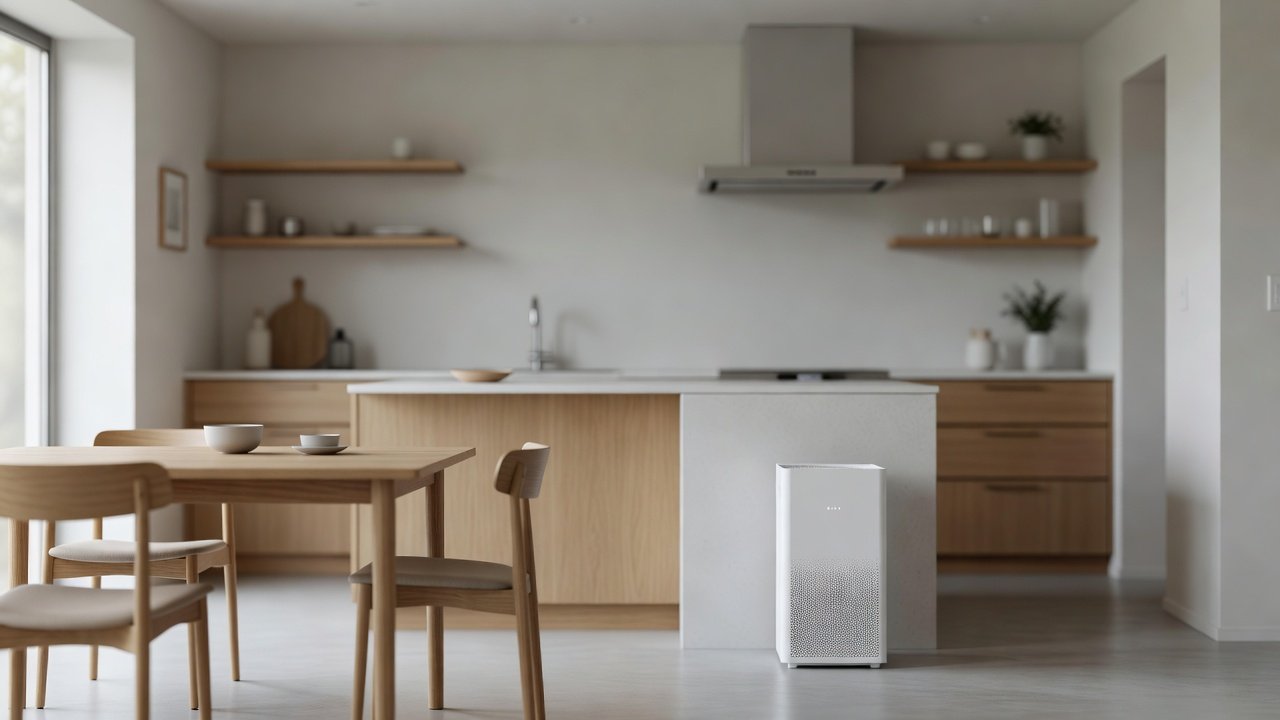
Cooking is one of the biggest sources of indoor particles. Frying, searing and toasting release fine particles and gases, and a gas stove adds combustion pollutants. A purifier can help clean up what the range hood leaves behind, but it is not a replacement for ventilation.
The best kitchen setup uses a range hood that vents outdoors, a window or fan for fresh air and then a purifier with a true HEPA filter and a good carbon layer for the rest.
This guide explains what a purifier can and cannot do in a kitchen, how to size and place one, how grease affects filters and which models to compare. The advice follows public guidance from the EPA and AHAM and manufacturer information, not our own lab tests.
A purifier helps with
- Fine particles from frying and toasting
- Some lingering cooking odors with carbon
- Cleaner air in a connected living area
It cannot replace
- A range hood that vents outdoors
- Fresh air from a window or fan
- Careful use of gas stoves
Key Takeaways
- Cooking produces fine particles, grease and odors; ventilation with a range hood that vents outside is the first line of defense.
- A purifier supports the hood: HEPA for fine particles, carbon for some odors.
- Grease can clog filters, so choose a unit with a washable pre-filter and place it a few feet from the cooktop.
- Gas stoves add combustion gases; ventilation matters even more.
- Size by CADR for the open area, with extra capacity for frequent cooking.
- Run the purifier on high for a short time after cooking, then switch to low.
- Avoid ozone and ionizer modes, which the EPA advises against.
Cooking Habits That Reduce Pollution at the Source
The cleanest air is the air you never pollute. Small changes in how you cook cut particle and odor levels before any machine has to deal with them.
- Use lids on pots to reduce steam and splatter
- Cook at moderate heat; very high heat produces more smoke and fine particles
- Use a splatter guard when frying
- Choose oils with a higher smoke point for searing
- Wipe grease from the stovetop and hood after cooking so it does not smoke next time
- Use the oven or an air fryer vent hood or window when baking at high temperatures
None of these require equipment, and together they can make a noticeable difference in how much your purifier and hood must handle.
Cleaning Up After a Cooking Session
After cooking, leave the hood running for several minutes, keep the purifier on its higher setting for 15 to 30 minutes and crack a window if the weather allows. Wipe down surfaces, because grease settles on walls and cabinets and slowly re-releases odors. Empty kitchen trash promptly. If you cook strongly scented foods, wash cookware soon after use.
Over several weeks, check the purifier’s pre-filter for grease. If it has a film, wash it according to the maker’s instructions and let it dry fully before reinstalling.
Budget Planning for a Kitchen-Adjacent Purifier
In a cooking space, the filters are the main ongoing cost. Carbon filters need replacing more often, and a washable pre-filter saves money. When comparing models, look at the price of the replacement set and how many months it is expected to last in a kitchen environment. A slightly more expensive unit with cheap, available filters is often cheaper over three years than a bargain unit with costly proprietary filters.
Top Picks: Purifiers for Kitchens and Open Plans
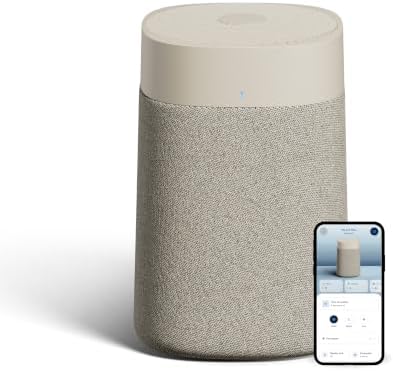
Six models rated for larger or open spaces. Check each listing for rated room size, filter type and replacement cost.





What Cooking Puts in the Air
High-heat cooking such as frying, grilling and broiling produces fine particles, oil droplets and odor-causing gases. Burning food and smoke add more. Gas stoves release combustion by-products such as nitrogen dioxide and carbon monoxide.
The EPA recommends using a range hood or exhaust fan that vents outdoors when cooking, especially with gas.
Ventilation First, Purifier Second
A hood that vents outside removes pollutants at the source, which no purifier can match. A recirculating hood with a filter helps less. Opening a window or using an exhaust fan adds fresh air.
A purifier then cleans the particles that spread into the rest of the room, and it can reduce some odor.
Purifier vs Range Hood vs Window
| Option | Strength | Limit |
|---|---|---|
| Range hood vented outdoors | Removes pollutants at the source | Needs to be on and sized well |
| Window or exhaust fan | Brings fresh air in | Depends on weather and outdoor air |
| Air purifier | Cleans particles and some odor in the room | Does not remove gases like carbon monoxide |
| Recirculating hood | Catches some grease | Less effective at removing pollutants |
Filters for a Kitchen
A true HEPA-type filter captures fine cooking particles. A substantial activated carbon layer helps with odors, though kitchen smells fill carbon faster than other rooms.
Choose a unit with a washable or easy-to-replace pre-filter, because grease and dust collect on it quickly.
Grease and Filters
Oil droplets can coat the pre-filter and the intake, which lowers airflow. Keep the purifier a little away from the stove and avoid placing it directly above or beside the cooking area.
Clean the pre-filter according to the maker\u2019s guidance and replace filters sooner than you would in a bedroom.
Sizing for Open Kitchens
Many kitchens are open to the living room. Size the purifier for the combined area, using the maker\u2019s rated room size and AHAM\u2019s two-thirds rule of thumb for clean air delivery rate.
Choose a unit rated above your area so it can run on a lower, quieter speed during dinner.
Where to Put the Purifier
Place it in the open area near the kitchen with clear airflow, but not right beside the stove or sink. Keep it off the counter if heat or splashes are likely.
Run it while you cook and for a while afterward.
Noise and Running Costs
A kitchen is a noisy place already, so a higher fan setting during cooking is easy to tolerate. Switch to a lower speed afterward.
Filters are the main recurring cost, so compare replacement prices.
What Cooking Actually Releases
Frying, searing, broiling and baking release fine particles and gases. Oil droplets turn into aerosols. Burnt food adds smoke. Gas stoves release nitrogen dioxide and other combustion products. Strongly scented ingredients add odors. These pollutants can reach levels much higher than in the rest of the home, for the duration of the cooking and sometimes longer.
The EPA recommends using a range hood that vents outdoors and opening a window when you cook, especially with gas appliances.
A Worked Example: Open-Plan Kitchen and Living Area
Take a 500 square foot open-plan space with an 8 foot ceiling. AHAM’s guideline gives a CADR near 330. If you cook daily and want a quick recovery, aim for 400 or more. Place the purifier in the living area a few feet from the kitchen so it draws in air that has drifted out, without catching splatter.
| Cooking style | Main pollutant | Best control |
|---|---|---|
| Frying and searing | Grease aerosols, fine particles | Range hood, HEPA |
| Boiling and steaming | Moisture, some odors | Ventilation, dehumidifier if needed |
| Baking | Mild particles, odors | Ventilation, carbon |
| Gas cooking | Combustion gases, fine particles | Outdoor-venting hood, open window |
Making the Range Hood Work
- Use the hood every time you cook, and turn it on before you start
- Choose the back burners when possible, since many hoods capture them better
- Check that the hood vents outdoors and not just recirculates
- Clean the grease filters regularly
- Run the hood a few minutes after you finish
- Open a window to give the hood make-up air
Filters in a Greasy Environment
Grease and fine oil droplets can coat pre-filters and then HEPA filters, reducing airflow. Choose a unit with an easily washable pre-filter and clean it often. Keep the unit out of direct splatter range. Replace carbon filters more often because kitchens saturate them faster.
Gas Stoves and Combustion Gases
HEPA filters do not remove gases such as nitrogen dioxide. Carbon filters may capture some, but capacity is limited. The best approach is ventilation: use the hood, open windows and consider moving to induction or electric cooking if you can. Gas appliances need proper maintenance, and carbon monoxide alarms are important.
Noise and Running Costs
A purifier that you will run on high for a short time after cooking should handle that noise, but on low it should be quiet enough to ignore. Check the lowest setting noise. Running costs are filters and electricity; check the cost of carbon replacement, which you will need more often.
How to Choose
- Measure the kitchen and any open living area.
- Pick a unit rated above that area.
- Look for a true HEPA filter, carbon layer and easy pre-filter.
- Place it near, not beside, the cooking area.
- Check noise on medium and high.
- Keep spare filters for heavy cooking households.
Do
- Match the unit’s rated coverage to your room first
- Run it consistently, not only when the air feels bad
- Leave space around the unit for airflow
- Replace filters on the maker’s schedule
Don’t
- Do not buy on looks or price alone
- Do not block the intake or exhaust
- Do not skip filter changes
- Do not expect a purifier to fix every source of pollution
Honest Limits
- This guide uses manufacturer information and public guidance from the EPA and AHAM, not our own lab tests.
- Features and room ratings change between model years, so confirm on the listing before you buy.
- A purifier is not a medical device and does not replace medical advice or treatment.
Who Should Skip This
Skip relying on a purifier instead of a range hood. It cannot capture grease and fumes at the source.
Skip ozone or ionizer modes in kitchens. The EPA advises against them.
When to See a Professional
If you have asthma or breathing problems that flare with cooking, talk to your doctor and consider improving ventilation or changing appliances.
If you smell gas or suspect carbon monoxide, leave the area and call your utility or emergency services.
Frequently Asked Questions
Can an air purifier remove cooking smells?
A carbon filter can reduce some odors, and HEPA captures particles. The range hood and ventilation do most of the work at the source.
Do I need a range hood if I have a purifier?
Yes. A hood captures grease and fumes at the source, and a purifier cleans what escapes. They work best together.
Where should I put a purifier in a kitchen area?
A few feet from the cooktop, with clear airflow, outside splatter range. In open-plan spaces, near the living area works well.
Do purifiers remove gas stove pollutants?
HEPA does not remove gases. Carbon may help a little, but ventilation is the main control for combustion gases.
How long should I run the purifier after cooking?
15 to 30 minutes on a higher setting, then return to low. Keep the hood running for a few minutes after you finish.
Will grease damage the purifier?
Grease can coat filters and reduce airflow. Use a washable pre-filter, keep the unit away from splatter and clean it regularly.
How often should I replace the carbon filter in a kitchen?
More often than in a bedroom, because kitchens saturate carbon faster. Replace when odors return or on the maker’s schedule.
What CADR do I need for an open kitchen?
About two-thirds of the floor area for standard ceilings, with extra capacity if you cook often. For 500 square feet, aim for 330 to 400.
Are ionizers a good idea in kitchens?
The EPA advises against ozone-generating devices, and some ionizers produce ozone. Choose a filter-based unit.
What else helps with kitchen air?
Cook with lids, use lower heat, clean the hood filters and open a window. Consider induction or electric cooking if possible.
Bottom Line
For cleaner kitchen air, ventilate first and use a purifier for what remains. Choose a true HEPA unit with a carbon layer and an easy pre-filter, sized above your open area.
Add a carbon monoxide alarm if you cook with gas.
Related reading: sens,port,fan
Sources: EPA, Guide to Air Cleaners in the Home; AHAM Verifide.