Last updated:
Disclosure: As an Amazon Associate we earn from qualifying purchases. This does not change what we recommend. See our affiliate disclaimer.
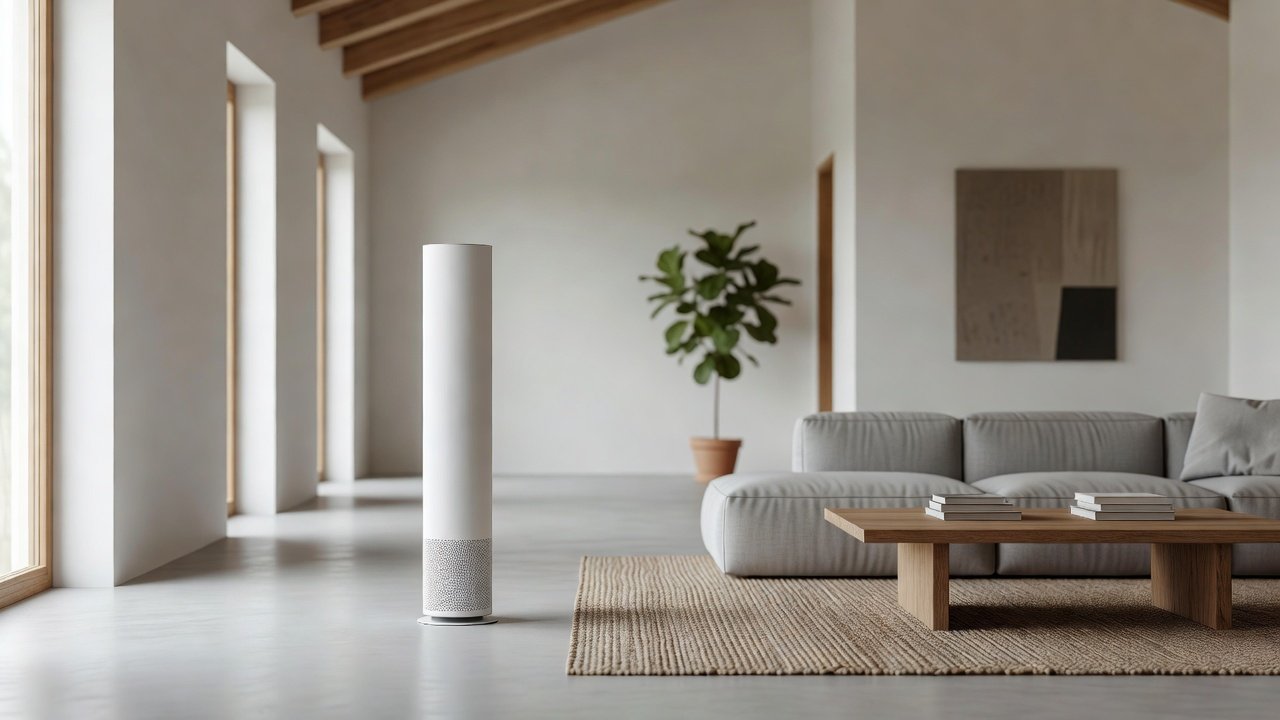
A large room or open-plan space needs a purifier that moves a lot of air. A unit rated for a small bedroom will run flat out in a big living area and still struggle to clean the air quickly.
The most useful number is the maker\u2019s rated room size, which is based on how much clean air the unit delivers. AHAM and the EPA both advise matching that rating to your room, and giving yourself a margin so the purifier can run on a lower, quieter setting.
This guide explains how to size a purifier for a big room, whether to use one large unit or two, what noise to expect and which models to compare. The picks follow manufacturer information and public guidance, not our own lab tests.
One large unit works if
- The space is a single open area
- You can place it centrally with airflow clear
- The rated size covers the whole area with margin
Consider two units if
- The space has walls, alcoves or an L-shape
- Rooms are separated by doors you keep closed
- One side of the space needs extra attention
Key Takeaways
- Large rooms need high CADR; the two-thirds rule gives the starting point, and taller ceilings need more.
- One large unit is simpler; two units in different zones can distribute clean air better.
- High output means more noise at top speed; check the low and medium settings.
- Open spaces share air with the rest of the home, so cleaning is slower than in sealed rooms.
- Filter size matters: larger units usually have bigger filters that last longer.
- Placement away from walls and corners improves performance.
- Avoid ozone and ionizer modes, which the EPA advises against.
Maintenance Schedule for a Large Unit
Large purifiers move more air, so their pre-filters collect more dust. Check the pre-filter every two to four weeks, vacuum or wash it as directed and make sure it is dry before reinstalling. Mark the HEPA and carbon replacement dates on a calendar. In dusty or smoky seasons, shorten the interval. Keep the intake and exhaust grilles clear of furniture and curtains.
Keep a spare filter set on hand, because large filters can be backordered and running without one defeats the point of the purchase.
Top Picks: Air Purifiers for Large Rooms
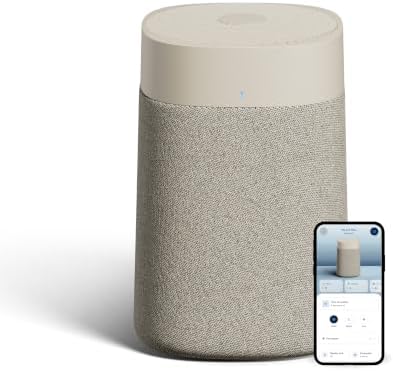
Six models rated for larger rooms. Confirm each maker\u2019s rated room size and the replacement filter cost on the listing, and compare them with your own floor area.





Why Large Rooms Are Harder
Air in a big room takes longer to pass through a purifier, because there is more of it. The same unit that cleans a bedroom in minutes can take much longer in an open living area, and people and cooking add particles constantly.
High ceilings add volume that floor-area ratings do not capture, so a taller room needs a bigger margin.
Sizing by Room Area and CADR
Makers list a room size, often based on the clean air delivery rate, or CADR. AHAM\u2019s rule of thumb is a CADR of about two-thirds of the floor area in square feet for a standard ceiling.
Round up if your ceilings are high, if you have pets, or if someone has allergies or asthma. A larger unit can run on a quieter setting, which you are more likely to leave on.
One Large Unit or Two Smaller Ones
| Setup | Pros | Cons |
|---|---|---|
| One large unit | Simple, one filter set, one place to maintain | Airflow may not reach corners or alcoves |
| Two mid-size units | Better coverage in L-shaped or divided spaces | Two sets of filters and more noise sources |
| One large plus a small unit in a bedroom | Strong main space, quiet sleep area | More to buy and maintain |
Noise at High Output
Large units are loud on their highest speed. Choose one rated well above your room size so you rarely need it on high, and check how quiet the lowest and medium settings are.
Makers measure noise differently, so compare recent reviews as well as the listed numbers.
Filters in Large Units
Large purifiers usually use bigger HEPA and carbon filters. These can last longer between changes but cost more to replace, so check the price and life before you buy.
A pre-filter that is easy to clean helps in busy open spaces where dust and hair collect.
Placement in an Open Space
Place the purifier near the middle of the main activity area, if you can, with clearance around it. Avoid corners and spots behind sofas, which limit airflow.
If the space has an air return or fan that pulls air away, position the unit so it works with, not against, the flow.
Running Costs for a Larger Unit
Bigger fans draw more power at higher speeds. Running a large unit on a lower setting most of the time keeps costs and noise down while still giving steady cleaning.
Filters remain the main recurring cost.
Smart and Sensor Features
Auto mode with a sensor can be handy in an open space where activity changes through the day. Wi-Fi can help you adjust or schedule the unit from your phone, but it does not improve cleaning.
Our guides to sensor and Wi-Fi models explain when these features are worth paying for.
A Worked Example: 900 Square Foot Open Plan With a Tall Ceiling
A 900 square foot kitchen, dining and living area with a 10 foot ceiling has about 9,000 cubic feet of air. The standard guideline suggests a CADR near 600 for an 8 foot ceiling; at 10 feet, volume is 25 percent higher, so aim for roughly 750. If no single unit reaches that, two units at about 400 each in different zones will do the job and spread the airflow better.
| Room | Floor area | Ceiling | Suggested CADR |
|---|---|---|---|
| Large living room | 500 sq ft | 8 ft | 330 or more |
| Open plan | 900 sq ft | 8 ft | 600 |
| Open plan, tall ceiling | 900 sq ft | 10 ft | Around 750 |
| Great room with loft | 1,200 sq ft | 12 ft | Two units, 500+ each |
These are guidelines. The goal is several air changes per hour, and open spaces leak air to adjacent rooms, so more capacity is a reasonable buffer.
Zones, Doors and Air Movement
Open spaces are rarely one uniform room. Kitchens produce particles, living areas collect pet dander and entrances bring in outdoor air. A single central unit helps, but a unit near the biggest source is often more effective. Think in zones, put a purifier where the pollution is made or where people sit and leave a clear path around it.
Reading Specs on Big Units
- Check CADR for smoke, dust and pollen, not just a headline number
- Check the area rating and the assumed ceiling height
- Compare noise at medium speed, not only at the lowest speed
- Look at filter size and replacement cost
- Check power use at the speeds you will actually run
Reducing Noise in a Big Space
A big unit running at medium speed moves a lot of air with less noise than a small unit running flat out. Choose a model with a larger fan and filter surface so it does not need to scream. Place it on a hard, level surface away from walls to reduce vibration and echo. In shared areas, a quiet low setting during conversation and higher speed when the room is empty works well.
Moving Fresh Air Into Open Spaces
Purifiers recirculate indoor air; they do not bring outdoor air in. In large rooms, ventilation still matters, especially when cooking. Use kitchen exhaust fans, open windows when outdoor air is good and consider the building’s HVAC filter. The EPA suggests MERV 13 or higher where the system supports it.
Floor Plans That Hurt Performance
Large furniture, room dividers and curtains block airflow. Avoid placing the purifier behind a sofa or in a corner where it cannot circulate. Leave at least a foot of clearance, and a few feet if you can.
How to Choose
- Measure the floor area and ceiling height.
- Pick a unit rated above that area for a quieter, margin-based setup.
- Decide whether one large unit or two smaller ones suits the layout.
- Check noise at low and medium speed.
- Compare filter price and life.
- Place the unit centrally with airflow clear.
Do
- Match the unit’s rated coverage to your room first
- Run it consistently, not only when the air feels bad
- Leave space around the unit for airflow
- Replace filters on the maker’s schedule
Don’t
- Do not buy on looks or price alone
- Do not block the intake or exhaust
- Do not skip filter changes
- Do not expect a purifier to fix every source of pollution
Honest Limits
- This guide uses manufacturer information and public guidance from the EPA and AHAM, not our own lab tests.
- Features and room ratings change between model years, so confirm on the listing before you buy.
- A purifier is not a medical device and does not replace medical advice or treatment.
Who Should Skip This
Skip small units advertised as covering a large room; they cannot move enough air.
Skip ozone and ionizer modes, which the EPA advises against.
When to See a Professional
If your symptoms persist in a large home, consider talking to a doctor and having your HVAC checked by a qualified technician.
If you suspect mold or a combustion appliance problem, get it inspected.
Frequently Asked Questions
What CADR do I need for a large room?
About two-thirds of the floor area for 8 foot ceilings, and more for taller ceilings. For 900 square feet at 10 feet, aim for roughly 750 or use two units.
Is one big purifier better than two small ones?
One is simpler. Two units in separate zones can clean unevenly shaped spaces better. Choose based on layout.
Will a large purifier be loud?
Noise depends on speed. Large fans can run quietly at medium speeds, but top speed is usually loud.
Where should I place a purifier in an open space?
Near the main pollution source or seating area, away from walls and with at least a foot of clearance.
Do I still need ventilation?
Yes. A purifier cleans indoor air but does not bring fresh air in.
How often should filters be changed in a large unit?
Follow the maker, usually every 6 to 12 months for HEPA, more often for carbon in kitchens or smoky homes.
Does ceiling height matter?
Yes. Taller ceilings mean more air volume, so you need more CADR to get the same air changes.
What about electricity use?
Large units use more power at high speed. Running at medium speed most of the time reduces cost and noise.
Are ionizers useful in large rooms?
Some produce ozone, which the EPA advises against. Stick to filter-based designs.
Can I use my HVAC filter instead?
A MERV 13 filter helps, but it only works when the system runs. A purifier works independently.
Bottom Line
For a large room, airflow comes first. Choose a unit rated above your floor area, place it with clear airflow and run it on a lower, quieter setting.
If your space is divided, consider two units rather than stretching one.
Related reading: port,fan,bed
Sources: EPA, Guide to Air Cleaners in the Home; AHAM Verifide.