
Last updated:
Disclosure: As an Amazon Associate we earn from qualifying purchases. This does not change what we recommend. See our affiliate disclaimer.
A bedroom purifier needs to be quiet and dark, since you will be running it next to your bed all night. Fan noise, bright indicator lights and cold drafts can all disturb sleep.
The best sleeping purifier has a very quiet lowest setting, a sleep mode that turns off the lights and enough coverage for the bedroom so that low speed is enough.
This guide covers what to look for, how to place the unit, how noise is measured and which compact models to compare. Recommendations follow manufacturer information and public guidance from the EPA and AHAM, not our own tests.
Look for
- A quiet lowest setting
- A sleep mode that dims lights
- Coverage above your bedroom size
- A true HEPA-type filter
Avoid
- Bright lights that cannot be turned off
- Beeping alerts
- Ozone-producing devices
- A unit rated only just for your room
Key Takeaways
- A purifier for sleeping needs a quiet low setting, dimmable or off lights and enough CADR for the room.
- Size above your bedroom so the unit can run on low all night.
- Noise quality matters: whines and clicks are more disruptive than a steady hum.
- Place the unit a few feet from the bed with clear airflow, not blowing directly on you.
- Keep filters clean; clogged filters raise noise and reduce cleaning.
- Avoid ozone and ionizer modes, which the EPA advises against.
- A purifier can support better sleep air but is not a treatment for sleep or breathing disorders.
A Short Decision Framework
Start with room size and CADR, then look at filters and running cost, then noise, then extras. If two units tie, pick the one with cheaper, easily available filters. Write your top three and compare them side by side before you buy.
Common Buying Mistakes
- Buying by price alone
- Ignoring replacement filter costs
- Choosing a unit too small for the room
- Trusting vague claims instead of CADR
- Using ionizer or ozone modes the EPA advises against
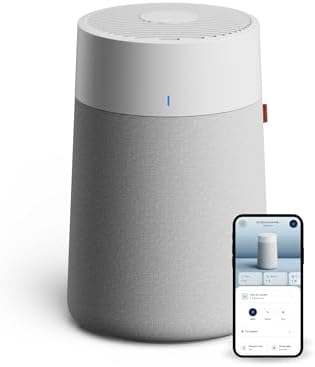
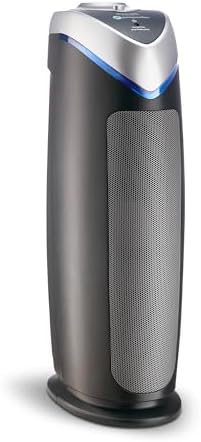
Top Picks: Quiet Compact Air Purifiers
Six models that suit bedrooms. Check each listing for the lowest-setting noise, sleep mode details and rated room size.




What Makes a Purifier Sleep-Friendly
Sleep-friendly means low noise at low speed, dim or off lights and no beeps. Many units have a sleep mode that drops the fan to its quietest setting and turns off the display.
Some people enjoy a steady fan hum as white noise, while others find it disturbing, so test it in your own room.
Noise: What the Numbers Mean
Makers list noise in decibels, but they measure in different ways and at different distances. A lower number is quieter, and a change of a few decibels is noticeable.
Read recent reviews for how the lowest setting sounds in a real bedroom.
Sizing for Quiet Operation
Choose a unit rated for more than your bedroom so it can clean well on its lowest setting. AHAM suggests a clean air delivery rate of about two-thirds of the floor area.
A unit that is too small will need the louder settings to keep up.
Sleep Features Compared
| Feature | Why it matters |
|---|---|
| Sleep mode | Quietest fan setting and lights off |
| Light control | Dark room for sleep |
| Low-setting noise | Main factor for sleep |
| No beeps | Avoid waking at button presses |
| Timer | Can turn off after you fall asleep |
Placement in the Bedroom
Place the purifier a little way from the bed with clear airflow, not blowing straight on you. Keep it off soft surfaces and away from curtains.
If noise is a problem, move it farther from your head rather than switching it off.
Light, Air Flow and Comfort
Check that the display can be fully turned off. Make sure the airflow does not blow cold air on you.
If you wake with a dry nose, consider the room humidity as well, since a purifier does not change it.
Filters and Maintenance
Choose a true HEPA-type filter and check replacement cost. Replace on the maker\u2019s schedule so airflow stays strong and the unit stays quiet.
Who Benefits
- Light sleepers who want cleaner air at night
- People with dust or pollen allergies
- Pet owners whose pets sleep in the bedroom
- Anyone in a dusty or stuffy room
Noise and Your Sleep Habits
Light sleepers should treat noise as the top feature. If you wake at small sounds, a unit with very low noise on its lowest setting matters more than extra speeds. If you like background sound, a steady hum can help.
Try the purifier for a week before deciding. If it bothers you, move it farther away, put it on a different surface or switch to a lower setting before you replace it.
Cleaning and Care for a Bedroom Unit
Bedrooms collect lint and skin flakes, so check the pre-filter regularly, and wipe the intake with a dry cloth. A clogged intake makes the fan work harder and sound louder.
Replace the main filter on schedule. If the unit seems louder than it used to, a loaded filter is a common cause, so check it before assuming the fan is failing.
Sleep Needs Differ From Daytime Needs
A bedroom purifier runs when you are not paying attention, so its quirks show up at night. A light that looks tiny in the day can glow like a lamp in a dark room. A fan that hums quietly at noon may sound louder in silence. Beeps that confirm a button press can wake a light sleeper.
Think about what bothers you most. Is it light, noise, airflow on your skin or odor? Make that your priority when comparing models.
A Bedroom Sizing Example
A 200 square foot bedroom with an 8 foot ceiling needs a CADR near 133 by AHAM’s guideline. If you want to run the unit on its lowest or second-lowest setting at night, choose a model with a CADR of 200 or more. That gives the fan room to relax.
| Bedroom size | Basic CADR target | For quiet low running |
|---|---|---|
| 120 sq ft | About 80 | 100 to 130 |
| 200 sq ft | About 133 | 170 to 200 |
| 300 sq ft | About 200 | 250 to 300 |
| 400 sq ft | About 267 | 330 to 400 |
These figures give a margin. Compare actual CADR and noise ratings.
Testing a Purifier Before You Commit
Run the unit in your bedroom for a couple of nights. Note the sound on the lowest setting, any lights, the smell on first use and how the airflow feels. New filters often have a plastic or factory smell that fades in a few days.
Airflow and Comfort
A purifier’s output can feel like a draft. Point the exhaust away from the bed, or place the unit where air moves across the room rather than directly onto you. In dry climates, constant airflow can dry out your nose or throat, so a separate humidifier may help, with care about cleanliness.
Allergy and Pet Considerations in the Bedroom
If allergies are the reason for buying, place the unit near the bed and keep the door closed. If pets sleep in the room, expect more pre-filter cleaning. If you want pets out of the bed, a bedroom purifier can still help with the dander that spreads through the house.
Evening Routine That Works
- Run the purifier for an hour or two before bed with the door closed
- Switch to sleep mode when you go to bed
- Keep windows closed on high-pollen nights
- Wash bedding weekly
- Wipe dust from bedside tables
- Check the filter at the start of each season
What Purifiers Cannot Do for Sleep
A purifier can reduce airborne particles and some odors, but it cannot fix a bad mattress, a noisy neighbor or a medical sleep problem. Consider it one part of a sleep-friendly room: cool temperature, darkness, comfort and a consistent schedule.
How to Choose
- Measure the bedroom.
- Pick a unit rated above that size.
- Check the lowest-setting noise and sleep mode.
- Make sure lights can be turned off.
- Compare filter cost.
- Place it with clear airflow.
Do
- Match the unit’s rated coverage to your room first
- Run it consistently, not only when the air feels bad
- Leave space around the unit for airflow
- Replace filters on the maker’s schedule
Don’t
- Do not buy on looks or price alone
- Do not block the intake or exhaust
- Do not skip filter changes
- Do not expect a purifier to fix every source of pollution
Honest Limits
- This guide uses manufacturer information and public guidance from the EPA and AHAM, not our own lab tests.
- Features and room ratings change between model years, so confirm on the listing before you buy.
- A purifier is not a medical device and does not replace medical advice or treatment.
Who Should Skip This
Skip units with bright displays you cannot turn off, or with loud alert beeps, if you are a light sleeper.
Skip ionizer and ozone modes in bedrooms. The EPA advises against ozone-generating devices.
When to See a Professional
If you snore loudly, wake gasping, feel very tired during the day or have trouble sleeping for weeks, talk to a doctor. A purifier is not a treatment for sleep disorders.
If allergies or asthma disturb your sleep, ask a doctor or allergist about care.
Frequently Asked Questions
What makes a purifier good for sleeping?
A quiet low setting, a sleep mode that dims or turns off lights, enough CADR to run on low and a pleasant sound. Avoid beeps and ionizer modes.
How loud can a bedroom purifier be?
Many people prefer units in the 20s to low 30s dB on the lowest setting, but tolerance varies. Test in your room, since sound quality matters as much as volume.
What CADR do I need for a bedroom?
AHAM suggests about two-thirds of the floor area. For a 200 square foot room, around 133. Choose higher, such as 170 to 200, to run quietly on low.
Where should I put a purifier in a bedroom?
A few feet from the bed with clear airflow, not blowing directly on you. Avoid corners and furniture blocking the intake.
Should I leave my purifier on all night?
Yes, if it is quiet and you are comfortable. Most are designed for continuous operation, and low-speed running is effective.
Will the lights bother me?
Some purifiers have bright displays. Look for models where you can turn off the display or choose a sleep mode that dims lights.
Can a purifier help with snoring or sleep apnea?
It cannot treat those conditions. Talk to a doctor about sleep problems. A purifier may help reduce airborne irritants.
Do ionizers help sleep?
No evidence supports that, and some produce ozone, which the EPA advises against. Choose a filter-based purifier.
How often should I change the filter?
Follow the maker’s guidance, often every six to twelve months for HEPA. Check the pre-filter every few weeks.
What if my purifier gets louder?
Check for dust on the pre-filter, loose parts or an obstructed intake. Clean or replace filters and try again.
Bottom Line
For sleeping, choose a quiet, dark, well-sized purifier. Oversizing slightly lets the lowest setting work.
Check the sleep mode and light controls before you buy.
Related reading: fan,sens,bed
Sources: EPA, Guide to Air Cleaners in the Home; AHAM Verifide.