Last updated:
Disclosure: As an Amazon Associate we earn from qualifying purchases. This does not change what we recommend. See our affiliate disclaimer.
A budget air purifier can do the job if the basics are right: a true HEPA-type filter, airflow suited to the room and filters you can afford to replace. Skip the extras and focus on what actually cleans the air.
The danger with cheap purifiers is the wrong kind of cheap. Units with no real filter, ionizers that produce ozone and tiny fans rated for far less than the room claim to do more than they can.
This guide explains how to shop on a budget, what to compare, what to skip and which compact models to look at. Prices change often, so check current listings. Recommendations follow manufacturer information and public guidance from the EPA and AHAM, not our own tests.
Spend on
- A true HEPA-type filter
- Rated coverage that fits your room
- Affordable replacement filters
- A quiet low setting
Skip
- Ionizer or ozone gadgets
- Tiny units rated for a closet
- Wi-Fi if it adds cost you will not use
- Unknown brands without filter details
Key Takeaways
- A budget purifier works if it has a true HEPA-type filter, the right airflow for your room and filters you can afford.
- Filters are the hidden cost: compare replacement price and availability for the exact model.
- Skip extras such as Wi-Fi, bright displays and ionizers; spend on airflow and a quiet low setting.
- Match the maker’s rated room size to your room, and avoid stretching a small unit to a big space.
- Be wary of tiny units that claim to clean a large area or kill germs.
- Check the return policy so you can send back a unit that is too loud.
- Cheap non-purifier steps, such as HEPA vacuuming and washing bedding, reduce dust too.
Top Picks: Compact Purifiers to Compare
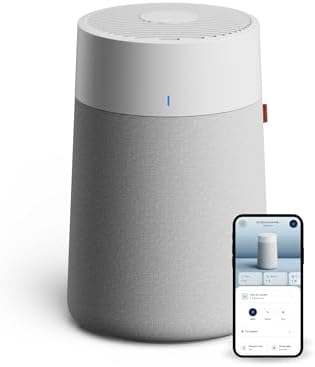
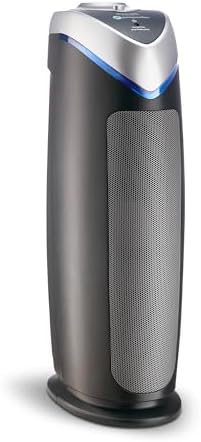
Six compact models to compare. Prices change often, so check the current listing, rated room size and replacement filter cost.




What a Budget Purifier Needs
The core of any purifier is the fan and filter. A true HEPA-type filter, a fan that moves enough air for the room and a housing that routes air through the filter. Everything else is optional.
Check the listing for the filter type, the rated room size and the filter replacement schedule.
The Hidden Cost: Filters
A cheap unit with expensive filters can cost more over two years than a mid-priced model with cheap ones. Compare the price of replacement filters and how often they need changing.
Check that filters are in stock for the exact model before buying.
Budget Do and Skip
| Feature | Budget view |
|---|---|
| True HEPA-type filter | Must have |
| Carbon layer | Nice to have for odors |
| Auto mode and sensor | Optional |
| Wi-Fi | Skip unless you will use it |
| Ionizer or ozone | Avoid |
| Washable filters | Check the claims |
Sizing on a Budget
A cheaper unit is often smaller. Match the maker\u2019s rated room size to your room, and avoid stretching a small unit to a big room. AHAM suggests a clean air delivery rate of about two-thirds of the floor area.
A well-sized basic unit beats an undersized smart one.
Noise
Budget fans can be louder. Check the lowest setting noise in reviews, and test it in the room.
Avoid Misleading Claims
Be wary of claims that a cheap unit removes viruses, kills bacteria or cleans a huge area. Look for AHAM Verifide listings or independent test results where possible.
Check Return Policies
Buy where you can return a unit that is too loud or does not fit. Keep the packaging for a few weeks.
Other Cheap Ways to Cut Dust
- Vacuum with a HEPA vacuum
- Wash bedding weekly
- Use a good HVAC filter
- Keep windows closed on high-pollen days
- Reduce clutter and soft furnishings that hold dust
Defining Cheap Without Getting Burned
People searching for a very cheap purifier often want a quick fix for dust, pollen or a stuffy room. That is reasonable, as long as expectations match what a small, inexpensive unit can do. A cheap unit can clean the air in a small room, if it is sized properly and used consistently.
Where it goes wrong is the product that costs little because it does little: no real filter, a tiny fan or a feature such as an ionizer that creates ozone. Price tells you little. The specs tell you more.
A Quick Sizing Example for Small Rooms
A 150 square foot bedroom needs a CADR near 100 under AHAM’s two-thirds guideline for 8 foot ceilings. A 250 square foot living room needs about 165. Compact units commonly list CADR in the range of 50 to 150, so the first step is to match the unit to your room, not to the price.
If you want a quiet sleep unit, look for a CADR above the minimum so you can run the fan on low. A unit that has to run on high to meet your room size will be loud and wear filters faster.
| Room size | Rough CADR target |
|---|---|
| 100 sq ft | About 65 |
| 150 sq ft | About 100 |
| 200 sq ft | About 130 |
| 300 sq ft | About 200 |
Filter Costs Over Two Years
| Cost item | What to check |
|---|---|
| Replacement HEPA filter | Price and how often to change |
| Carbon filter | Is it separate or combined? |
| Pre-filter | Washable or replaceable |
| Availability | Is the exact model in stock? |
| Energy use | Wattage on low |
A cheaper unit with expensive or hard-to-find filters can cost more than a mid-priced one over two years. Add up the unit and two years of filters before you decide.
Features Worth Paying a Little For
- A true HEPA-type filter with a clear specification
- A quiet low setting and a sleep mode
- A simple, washable pre-filter
- Auto mode, if it costs little extra
- A filter-change reminder
Features to Skip
- Wi-Fi and app control that you will not use
- Ionizer, plasma and ozone modes
- Decorative lights and displays
- Unrealistic claims about killing viruses or covering huge rooms
Where to Buy and How to Test
Buy from a seller with a straightforward return policy. When the unit arrives, run it in the room for a few days, listening for rattles or whines and noting how it sounds on low. Keep packaging for the return window.
If you are sensitive to noise, test it at night. If the fan is loud on low, return it. A quiet purifier gets used; a loud one gets switched off.
Low-Cost Habits That Help Any Purifier
- Vacuum with a HEPA vacuum regularly
- Wash bedding weekly in hot water if recommended
- Use a good HVAC filter and change it on schedule
- Keep windows closed on high-pollen or smoky days
- Reduce clutter and soft items that collect dust
- Wipe surfaces with a damp cloth
When a Budget Unit Is the Wrong Choice
If you have asthma, severe allergies or wildfire smoke exposure, a very cheap unit may not be enough, and a unit with a verified CADR and a bigger margin is worth the extra spend. If your room is large, one cheap unit will not do. Be honest about the job, and choose the right tool.
How to Choose
- Measure your room.
- Choose a unit rated for it with a true HEPA-type filter.
- Compare filter prices and availability.
- Check low-setting noise.
- Skip ionizers and ozone devices.
- Check the return policy.
Do
- Match the unit’s rated coverage to your room first
- Run it consistently, not only when the air feels bad
- Leave space around the unit for airflow
- Replace filters on the maker’s schedule
Don’t
- Do not buy on looks or price alone
- Do not block the intake or exhaust
- Do not skip filter changes
- Do not expect a purifier to fix every source of pollution
Honest Limits
- This guide uses manufacturer information and public guidance from the EPA and AHAM, not our own lab tests.
- Features and room ratings change between model years, so confirm on the listing before you buy.
- A purifier is not a medical device and does not replace medical advice or treatment.
Who Should Skip This
Skip ultra-cheap units that give no filter details, no CADR and no replacement information.
Skip any budget unit with a built-in ionizer or ozone feature.
When to See a Professional
If you have allergies, asthma or breathing symptoms, talk to a doctor about care. A purifier can lower airborne particles, but it does not treat a condition.
If you smell mold or notice dampness, address moisture and consult a professional where needed.
Frequently Asked Questions
Do cheap air purifiers actually work?
They can, if they have a true HEPA-type filter and enough airflow for the room. A cheap unit sized correctly for a small bedroom can reduce dust and pollen. Units without a real filter or with tiny fans do little.
What is the biggest hidden cost of a cheap purifier?
Replacement filters. Some budget units use filters that are pricey or hard to find, which can push the cost above a mid-priced model over two years. Check filter prices and availability before you buy.
Is Wi-Fi worth paying for on a budget?
Only if you will actually use schedules and remote control. For most people, a simple unit with manual controls and a quiet low setting is better value. Put your money into airflow and filter quality.
What size purifier should I buy?
Match the maker’s rated room size to your room, and check CADR. AHAM suggests a CADR near two-thirds of the floor area for standard ceilings. Buying a little above that lets you run the unit on low.
How can I spot misleading claims?
Be cautious about tiny units that claim to clean huge areas, or claims that a unit kills all viruses or bacteria without independent evidence. Look for CADR figures, independent verification and clear filter specs.
Are washable filters better on a budget?
They can save money on pre-filters, but true HEPA filters generally should not be washed. Check the manual and be sure the washable part is really designed for it.
Are ionizers safe in cheap purifiers?
The EPA advises against ozone-generating air cleaners, and some ionizers produce ozone as a by-product. Choose a filter-based unit and turn off any ionizer mode if possible.
How long do cheap purifiers last?
It varies. Fans and electronics in low-cost units may wear out sooner. Check the warranty, read reviews about long-term reliability and plan for filter replacement.
Where should I buy a budget purifier?
From a seller with an easy return policy, so you can send it back if it is too loud or too weak. Keep the packaging for the first few weeks.
Can a cheap purifier help allergies?
It may reduce airborne allergens like pollen and dander in a small room, but it is not a treatment. Talk to your doctor about allergy care, and combine the purifier with cleaning habits.
Bottom Line
Budget purifiers work when the basics are right: a true HEPA-type filter, the right size and affordable filters. Skip ozone gadgets and extras.
Compare the real cost of ownership, not just the sticker price.
Related reading: port,sens,wifi
Sources: EPA, Guide to Air Cleaners in the Home; AHAM Verifide.