Last updated:
Disclosure: As an Amazon Associate we earn from qualifying purchases. This does not change what we recommend. See our affiliate disclaimer.
Washable filters promise to cut the ongoing cost of owning an air purifier, which is attractive for large rooms where filters are big and expensive. The reality is more mixed. Some parts of a purifier can be washed safely, some cannot, and some washable filters work well only if you keep up with maintenance.
This guide explains which filters can be washed, how to care for them, where washable designs save money and where they do not. Choices come from our affiliate table, and our guidance follows EPA and AHAM information, not our own testing.
Washable parts help if
- You have pets or lots of dust and use a pre-filter
- You will actually wash and dry them on schedule
- The maker clearly says the filter is washable
Be careful if
- The listing says washable HEPA without detail
- You expect to skip filter replacements entirely
- You live in a very humid home where drying is slow
Key Takeaways
- Pre-filters are usually washable and worth washing; main True HEPA filters generally are not.
- Claims of washable HEPA need scrutiny: check the standard the filter meets.
- Washing saves money only if the filter dries fully and keeps its performance.
- Large rooms need high CADR, and filters for large units can be costly to replace.
- Check replacement cost over two or three years before buying.
- Never reinstall a damp filter; it can grow mold and damage the unit.
- Avoid ozone and ionizer modes, which the EPA advises against.
A Maintenance Calendar for Washable Parts
Create a simple routine and stick to it. Every two weeks, check the pre-filter for visible dust and hair. Every month, wash or vacuum it and let it dry fully. Every three months, wipe the housing and check the intake and exhaust grilles. Every six to twelve months, replace the main filter according to the manual, or earlier if airflow has dropped. Put reminders on your phone or write the dates on a sticker inside the unit.
Keep a spare pre-filter if the maker sells one. Swapping a clean, dry pre-filter takes seconds and avoids running the unit with a damp part. If the pre-filter is not sold separately, consider a washable cut-to-size pre-filter material only if the maker confirms it will not harm performance.
Signs That a Washable Filter Needs Replacing
Replace a washable filter when it is torn, permanently stained, bent out of shape, smells musty after drying or no longer fits snugly in its frame. Replace it if the unit has weak airflow even after cleaning, since the filter media may be clogged beyond what washing can fix. A filter that is past its stated lifetime should be replaced even if it looks fine.
If the unit uses a filter-life indicator, treat it as a reminder rather than a guarantee. In a dusty or smoky home, replace earlier than the indicator suggests, and clean pre-filters more often.
Top Picks: Air Purifiers for Large Rooms
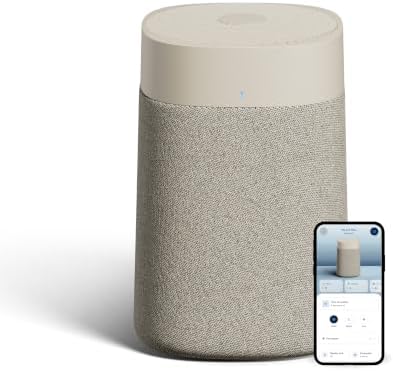
These options come from our affiliate table. Check the listing for the current CADR, filter type and replacement cost.





The Washable HEPA Question
Some washable filters are described as HEPA-type or high-efficiency. These may not meet the True HEPA standard. If your goal is capturing fine particles like smoke, look for a True HEPA main filter and a washable pre-filter rather than a single washable filter.
How to Wash a Filter Safely
Remove the filter, rinse or vacuum as the manual directs, let it dry fully, then reinstall. A damp filter can grow mold and harm the motor. Avoid detergents unless the manual allows them.
Costs Over Time
Washable pre-filters cost nothing to maintain. A true washable main filter can save money, but only if it performs well after repeated washing. Replacements for non-washable filters in large units can cost more, so compare the total over two or three years.
Which Filters Can Be Washed
The pre-filter, a mesh screen that catches hair and large dust, is the most common washable part. A few products also advertise a washable HEPA-type or electrostatic filter. True HEPA filters are made of fine glass fibers and are generally not designed to be washed; water can damage them.
Always follow the maker’s instructions. If the manual says do not wash, do not wash.
Washable Pre-Filters Make a Real Difference
A pre-filter protects the main filter from hair and dust and extends its life. Washing it every few weeks is easy and cheap, and it keeps airflow high. In pet homes, this alone can delay the replacement of the main filter by months.
A Worked Example: Large Living Room With a Shedding Dog
A 450 square foot living room with a 9 foot ceiling needs a CADR near 330 to 400. With a shedding dog, the pre-filter will collect hair and lint within days. A washable pre-filter you rinse every two weeks keeps airflow near its rated level and can delay the main filter replacement by months. If the main filter costs $60 and lasts nine months instead of six, you save about $40 over two years from one simple habit.
| Filter part | Washable? | Typical action |
|---|---|---|
| Mesh pre-filter | Often yes | Rinse or vacuum every 2 to 4 weeks |
| True HEPA main filter | Generally no | Replace on schedule |
| Carbon layer | No | Replace when odors return |
| Washable HEPA-type | Sometimes | Follow the maker exactly |
How Often to Wash and Replace
Pre-filters in pet homes may need washing every one to two weeks. In low-dust homes, monthly may be enough. Check the intake grille for visible dust, and look at the pre-filter whenever you notice reduced airflow. Replace main filters according to the maker’s schedule, or sooner if airflow drops even after cleaning the pre-filter. Mark dates on a calendar so cleaning does not get forgotten.
If a washable filter looks permanently stained, torn or bent, replace it. Washing cannot restore a damaged filter, and a damaged filter can let unfiltered air pass through.
Drying and Mold Risk
A filter that stays damp can grow mold and smell musty. Dry washable parts completely before reinstalling, ideally flat in a warm, ventilated spot away from direct heat. Do not use a hair dryer on hot or put filters in the sun for long periods unless the maker allows it. In humid climates, plan a spare pre-filter so you can swap while the other dries.
Hidden Costs of Washable Designs
- Some washable filters wear out and still need periodic replacement
- Proprietary filters can be expensive and hard to find
- Cleaning takes time and may not fit a busy household
- Washing can reduce performance if done wrongly
- Warranties may be voided by improper cleaning
- Units with only a washable filter may not offer True HEPA
When a Non-Washable Filter Is the Better Deal
A True HEPA filter that lasts a year and costs a fair price often beats a washable filter that must be cleaned weekly and replaced anyway. If you do not want to spend time on maintenance, choose a unit with a large replaceable filter and a simple washable pre-filter. Convenience has value, and unwashed filters that run for a year work fine when the pre-filter does its job.
Large Room Considerations
Large units move more air, so filters collect more dust. Check the pre-filter more often than in a small unit, and make sure the unit is accessible for cleaning. Heavy filters can be awkward to remove; look for units with a simple access panel and clear instructions.
Questions to Ask the Seller or Maker
Ask what standard the main filter meets, how many washes it tolerates, how to dry it, what the warranty says about washing and how much replacement filters cost. If answers are vague or the seller cannot confirm, treat the washable claim with caution.
How to Choose
- Check which filters the maker says are washable
- Confirm the main filter is True HEPA
- Check the cost of replacement filters
- Decide how often you will realistically wash
- Size the unit by CADR for your room
Do
- Match the unit’s rated coverage to your room first
- Run it consistently, not only when the air feels bad
- Leave space around the unit for airflow
- Replace filters on the maker’s schedule
Don’t
- Do not buy on looks or price alone
- Do not block the intake or exhaust
- Do not skip filter changes
- Do not expect a purifier to fix every source of pollution
Honest Limits
- This guide uses manufacturer information and public guidance from the EPA and AHAM, not our own lab tests.
- Features and room ratings change between model years, so confirm on the listing before you buy.
- A purifier is not a medical device and does not replace medical advice or treatment.
Who Should Skip This
Skip units that call a filter washable HEPA without stating the standard or the washing instructions.
Skip ionizer and ozone modes; the EPA advises against ozone-generating devices.
When to See a Professional
If you have asthma or allergies, talk to your doctor about a plan. Filter maintenance supports it but does not replace treatment.
If you see mold in a filter or the unit, stop using it, clean or replace the part and fix the moisture source.
Frequently Asked Questions
Can I wash an air purifier filter?
Only if the maker says it is washable. Pre-filters often are; True HEPA filters generally are not.
Are washable HEPA filters real HEPA?
Check the standard. Many are HEPA-type or high-efficiency, which differ from True HEPA.
How do I wash a pre-filter?
Remove it, rinse or vacuum as directed, let it dry fully and reinstall.
How long should a filter dry?
Until completely dry, which can take many hours. Do not install damp filters.
Do washable filters save money?
They can, especially pre-filters, but only if they perform well and you maintain them.
Do I still need to replace the main filter?
Yes, in most designs. Follow the maker’s schedule.
How often should I clean the pre-filter?
Every two to four weeks, more often in pet or dusty homes.
Is it safe to use detergent?
Only if the manual allows it. Otherwise use clean water.
What size unit do large rooms need?
About two-thirds of the floor area in CADR for 8 foot ceilings, more for taller ceilings.
Are ionizer modes safe?
Some produce ozone, which the EPA advises against.
Bottom Line
Washable pre-filters are a real benefit. Washable main filters need caution: confirm the standard they meet and follow the maker’s instructions.
Choose by CADR and True HEPA first, then use washable parts to cut upkeep.
Related reading: bed,fan,lw
Sources: EPA, Guide to Air Cleaners in the Home; AHAM Verifide.