Last updated:
Disclosure: As an Amazon Associate we earn from qualifying purchases. This does not change what we recommend. See our affiliate disclaimer.
A bathroom is small, humid and full of odors, which makes it a poor home for most air purifiers. Moisture can damage electronics, and splashes are a hazard. For most homes, a good exhaust fan is the right tool for a bathroom.
A purifier can still help the air near the bathroom, such as in the hallway or adjacent bedroom, and it can reduce some odors and dust from towels and toiletries.
This guide explains what to do in the bathroom itself, when a purifier makes sense nearby and which compact models to compare. Recommendations follow manufacturer information and public guidance, not our own tests.
Do this first
- Use an exhaust fan that vents outdoors
- Run it during and after showers
- Fix leaks and dry wet surfaces
Be careful with
- Placing plug-in electronics near water
- Ozone or ionizing gadgets
- Expecting a purifier to remove humidity
Key Takeaways
- Bathrooms have high humidity and small volume; moisture control matters more than air cleaning.
- An exhaust fan that vents outdoors is the main tool; a purifier is a supplement for nearby rooms.
- Do not place a plug-in purifier where it can get wet; follow the maker’s safety instructions.
- Mold and mildew need moisture control and cleaning, not just filtration.
- Carbon helps with some odors but saturates faster in humid air.
- Choose a compact True HEPA unit for adjacent rooms, sized by CADR.
- Avoid ozone and ionizer modes, which the EPA advises against.
Choosing a Purifier for the Room Next Door
If the bathroom opens into a bedroom or hallway, a compact purifier with True HEPA and a carbon layer can help with stray odors and dust that drift out. Keep it several feet from the doorway so steam does not reach the intake, and run it on low most of the time. Check the filter more often if the door is frequently open after showers.
Look for a quiet low setting, a washable pre-filter and replacement filters you can buy easily. A modest CADR is enough for a small adjoining room, but size it to that room, not the bathroom.
Seasonal Differences
In winter, bathrooms often stay damp longer because cold walls cause condensation and windows stay shut. In summer, humid outdoor air can make drying slow. Adjust your fan timer by season, and keep an eye on corners and ceilings where condensation settles first.
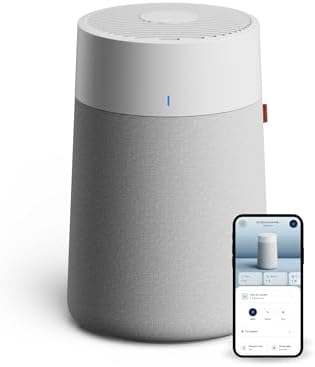
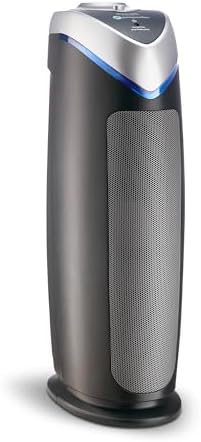
Top Picks: Compact Purifiers for Rooms Near the Bathroom
Six compact models for a hallway or bedroom near a bathroom. They are not designed for wet locations, so keep them away from water and steam.




What Bathroom Air Needs
Showers add humidity, which encourages mold and mildew. Toiletries add fragrance and chemicals, and the room can hold odors. A purifier does not remove moisture, so ventilation matters most.
The EPA advises using exhaust fans in bathrooms and controlling moisture to prevent mold.
Exhaust Fan vs Air Purifier
| Option | What it does | Limit |
|---|---|---|
| Exhaust fan to outdoors | Removes moisture and odor | Needs to run long enough |
| Air purifier | Cleans particles and some odor | Does not remove humidity |
| Dehumidifier | Lowers humidity | Does not clean particles |
| Open window | Brings in fresh air | Depends on weather |
Is a Purifier Safe in a Bathroom?
Most plug-in purifiers are not designed for wet locations. Keep any electrical appliance away from water, and follow the maker\u2019s instructions about where it may be used.
If you want a purifier near the bathroom, place it outside in the hallway or bedroom, at a safe distance from the door.
If You Place One Nearby
A small unit with a true HEPA-type filter and a carbon layer can reduce dust and some odor in the adjoining room. Keep it away from steam and splashes and leave clear airflow around it.
Avoid models that claim to remove humidity or bacteria without clear evidence.
Odors in a Bathroom
A carbon layer can reduce some odor, but source control and ventilation work better. Clean regularly and keep the fan running after use.
Scented products can add to the chemical load in a small room, so use them sparingly.
Mold and Mildew
A HEPA filter can capture spores in the air, but it does not stop mold growing on damp surfaces. Control moisture, clean visible growth with detergent and water, and dry the room well.
For large areas of mold, follow EPA guidance or call a professional.
Noise and Power
A compact unit in the adjoining room can run quietly on a low setting. Use an outlet that is appropriate for the location and does not require long cords across wet floors.
Better Bathroom Air Habits
- Run the exhaust fan for at least 20 minutes after showers or as advised for your fan
- Wipe condensation off walls and mirrors
- Keep towels dry and washed
- Fix dripping taps and leaks
- Keep the door open to let humid air out
A Simple Bathroom Ventilation Routine
Turn the fan on before you shower and leave it running afterward until mirrors clear and the room feels dry. Wipe wet surfaces and hang towels so they dry fully.
If your fan seems weak or noisy, it may be blocked or not vented outdoors. Check that it vents outside rather than into the attic, since that moves moisture to another part of the house.
Signs You Have a Moisture Problem
Peeling paint, persistent musty smell, visible dark spots on caulk or grout and condensation that does not clear all point to moisture that needs fixing. A purifier cannot fix these.
Use a hygrometer to check humidity in the bathroom and nearby rooms, and talk to a professional if you cannot find the source of a persistent problem.
A Worked Example: Small Bathroom, Bedroom Next Door
A typical full bath is 40 to 60 square feet. The exhaust fan rating, in cubic feet per minute, matters more than any purifier. A common guideline is about 1 cubic foot per minute per square foot of bathroom area, with a minimum around 50 CFM. For a 50 square foot bath, that points to roughly 50 to 80 CFM, and bigger for jetted tubs or high ceilings.
If the fan is weak or noisy so nobody uses it, upgrading the fan or adding a timer switch often does more than buying any purifier.
| Situation | First fix | Purifier role |
|---|---|---|
| Steamy mirrors after showers | Run the fan 20 minutes after | None needed in the bath |
| Musty smell | Find the moisture source and clean | Carbon unit in adjacent room |
| Visible mold | Clean, fix leaks, ventilate | Not a cure |
Choosing and Using the Fan
- Check that the duct vents outdoors, not into the attic
- Look for a sone rating of about 1.5 or lower for quiet operation
- Use a timer or humidity sensor switch so it keeps running after you leave
- Keep the grille clean of dust
- Leave the door open or slightly ajar after showers to help air flow
Cleaning Moisture-Prone Surfaces
Wipe wet surfaces, wash shower curtains, dry towels and mats and fix dripping fixtures. Grout, caulk and silicone can harbor mildew; clean them regularly and replace failing caulk. Use cleaners as directed and ventilate while you work.
Dehumidifiers and Humidity Targets
The EPA suggests keeping indoor relative humidity between 30 and 50 percent. A small hygrometer shows you the number. In a bathroom without good exhaust, a dehumidifier in the adjacent room can help, but fixing ventilation is better.
What to Do If Odors Persist
Odors from a drain are usually a plumbing trap or biofilm problem. A lasting sewer smell can mean a dry trap; run water in unused drains. Persistent odors after cleaning and ventilation may point to a leak or hidden mold, which is a job for a plumber or a qualified professional.
How to Choose
- Fix ventilation first with an exhaust fan.
- Place any purifier outside the wet area.
- Choose a compact true HEPA-type unit with a carbon layer.
- Keep it away from steam and splashes.
- Check the maker\u2019s instructions on where it may be used.
- Control humidity so mold does not return.
Do
- Match the unit’s rated coverage to your room first
- Run it consistently, not only when the air feels bad
- Leave space around the unit for airflow
- Replace filters on the maker’s schedule
Don’t
- Do not buy on looks or price alone
- Do not block the intake or exhaust
- Do not skip filter changes
- Do not expect a purifier to fix every source of pollution
Honest Limits
- This guide uses manufacturer information and public guidance from the EPA and AHAM, not our own lab tests.
- Features and room ratings change between model years, so confirm on the listing before you buy.
- A purifier is not a medical device and does not replace medical advice or treatment.
Who Should Skip This
Skip placing a standard plug-in purifier inside a wet bathroom unless the maker says it is safe there.
Skip ozone or ionizer devices, which the EPA advises against.
When to See a Professional
If you see widespread mold, smell it strongly or have recurring water leaks, call a professional.
If mold or damp seems to affect your breathing, talk to your doctor and fix the moisture source.
Frequently Asked Questions
Do I need an air purifier in my bathroom?
Usually not. An exhaust fan that vents outside and good moisture habits do more. A purifier can help in a nearby room.
Is it safe to use an air purifier in a bathroom?
Most household units are not designed for wet or steamy spaces. Follow the maker’s instructions and never place electrical devices where they can get wet.
Does a purifier remove mold?
It can capture some airborne spores, but it does not stop mold from growing. You need to fix moisture and clean affected surfaces.
How big should my exhaust fan be?
A common guideline is about 1 CFM per square foot of bathroom area with a minimum near 50 CFM. Larger or taller rooms need more.
How long should I run the fan?
About 20 minutes after a shower, or until mirrors and surfaces are dry. A timer or humidity switch helps.
Will carbon filters help with bathroom odors?
They can reduce some odors in nearby rooms, but humid air saturates carbon faster. Fix the source first.
What humidity should I aim for?
The EPA suggests 30 to 50 percent relative humidity in the home. A small hygrometer helps you track it.
Can I use a dehumidifier instead?
A dehumidifier helps with overall humidity but does not replace an exhaust fan in the bathroom.
What about ozone generators for musty smells?
The EPA advises against ozone generators because ozone can irritate the lungs. Use ventilation, cleaning and carbon.
When is mold a professional job?
When it covers a large area, returns quickly, follows a leak, or you cannot find the source. A qualified professional can assess and remediate.
Bottom Line
For bathrooms, ventilation and moisture control come first. A compact purifier can help the rooms next to the bathroom, but it should not sit in the wet area.
Choose a true HEPA-type unit with a carbon layer and keep it clear of water.
Related reading: port,sens,bed
Sources: EPA, Guide to Air Cleaners in the Home; AHAM Verifide.