Last updated:
Disclosure: As an Amazon Associate we earn from qualifying purchases. This does not change what we recommend. See our affiliate disclaimer.
An in-duct air purifier attaches to your HVAC system and treats air as it circulates through the home. It promises whole-house coverage without placing units in each room.
The reality depends on your system. In-duct filters only work when the HVAC fan is running, they have to match the system\u2019s airflow and a high-efficiency filter can restrict airflow if the system is not designed for it. Some in-duct products add UV lights or electronic cleaning, which raise the same effectiveness and ozone questions as other electronic cleaners.
This guide compares in-duct and portable purifiers, explains what to check with an HVAC professional and lists larger-room portable models. Recommendations follow EPA guidance and manufacturer information, not our own tests.
In-duct suits you if
- You want whole-home filtering
- You already run the HVAC fan regularly
- Your system can handle a higher-efficiency filter
Portable suits you if
- You want to clean a specific room
- You rent or cannot modify the HVAC
- You want to move the purifier
Key Takeaways
- In-duct purifiers treat air as it moves through your HVAC system, so they only work while the system fan is running.
- The HVAC filter itself matters: the EPA suggests MERV 13 or higher where your system can handle it.
- Some in-duct add-ons use UV or ionization; check for ozone and ask for independent test data.
- Portable HEPA purifiers clean one room at a time, work without the HVAC, and are easier to size by CADR.
- A dense filter or add-on can reduce airflow, so check with an HVAC professional before changing the system.
- Many homes do best with a good HVAC filter plus portable units in key rooms.
- Avoid ozone-generating devices, which the EPA advises against.
Top Picks: Larger-Room Portable Purifiers
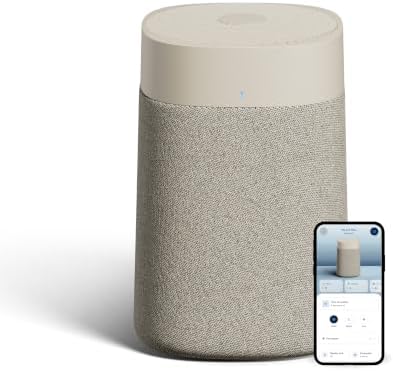
Six portable models rated for larger rooms, a flexible alternative or addition to in-duct filtering. Check each listing for rated room size and filter costs.





How In-Duct Purifiers Work
In-duct systems filter air as it passes through the ducts. A simple version is a higher-efficiency filter in the HVAC filter slot. More complex versions add UV lamps, electronic cleaners or media cabinets.
They clean air only when the HVAC blower is running, so you may need to run the fan more often.
The Filter Rating Matters
HVAC filters are rated by MERV, a scale of efficiency. The EPA suggests using a filter rated at least MERV 13 if your system can handle it, because higher ratings capture finer particles.
A higher-rated filter can restrict airflow. Check the HVAC manual or ask a professional before upgrading.
In-Duct vs Portable
| Factor | In-duct | Portable |
|---|---|---|
| Coverage | Whole home through the ducts | One room per unit |
| Fan needed | HVAC blower must run | Own fan |
| Installation | May need a professional | Plug in |
| Noise | Blower noise | Unit noise |
| Cost | Higher upfront | Lower upfront |
| Control | Via HVAC thermostat | Per unit |
Limits and Cautions
If your system is old, poorly sealed or has leaky ducts, in-duct filtration cannot make up for the leaks. A professional can assess your system.
Avoid in-duct products that produce ozone, and check for independent certification.
When a Portable Purifier Is the Better Choice
A portable HEPA unit is better when you want a stronger effect in one room, such as a bedroom, or when you cannot change your HVAC. It also works when the HVAC fan is off.
Many homes combine both, using a good HVAC filter and a portable unit in key rooms.
Choosing a Portable Unit
Choose a unit rated above your room size using the maker\u2019s rated area, with a true HEPA filter and a quiet low setting. AHAM suggests a clean air delivery rate of about two-thirds of the room area.
Maintenance
- Replace the HVAC filter on schedule
- Keep supply and return vents clear
- Replace portable filters on schedule
- Have your system checked by a professional
Costs and Running
In-duct solutions have higher upfront and installation costs, while portable units cost less. Running the HVAC fan more often uses more energy, so compare costs.
What Whole-Home Air Cleaning Really Means
A whole-home approach treats the air that circulates through ductwork. When the system runs, it pulls air from rooms, passes it through a filter and sends it back. In theory, better filtration at that point cleans air everywhere the ducts reach.
In practice, results depend on how often the fan runs, how well the ducts are sealed and how much air actually passes through the filter. If your system runs only a few minutes at a time, the filter has limited opportunity to clean the air.
How Fan Run Time Changes Everything
Many thermostats let you set the fan to auto, which runs it only during heating or cooling, or on, which runs it continuously. Running the fan more often gives the filter more chances to catch particles. It may also raise electricity use, especially with older blower motors, and can affect humidity in summer.
If you plan to rely on your HVAC for air cleaning, ask a technician about fan settings and motor efficiency for your system.
MERV Ratings and Airflow
| MERV range | Typical capture | Notes |
|---|---|---|
| 1 to 4 | Large particles such as lint | Protects equipment, little air cleaning |
| 5 to 8 | Dust and mold spores | Basic home filters |
| 9 to 12 | Finer dust and some pollen | Common upgrade |
| 13 to 16 | Fine particles including smoke and bacteria | EPA suggests MERV 13 or higher if supported |
Higher MERV filters are denser. If a system was not designed for them, they can restrict airflow, reduce comfort and strain equipment. Check the manual or ask a professional.
In-Duct Add-Ons: UV, Ionizers and Electronic Cleaners
Some products install in the duct and use UV lamps, ionization or electronic cells. The claims vary, from reducing microbes on coils to cleaning the air stream. Evidence for air-cleaning benefits in homes is limited, and some electronic devices can generate ozone.
The EPA advises against ozone-generating devices. If you consider an add-on, ask for third-party test data, check for ozone emissions and confirm that installation will not void your warranty or restrict airflow.
Portable HEPA Purifiers as a Targeted Layer
A portable HEPA purifier works whether or not the HVAC is running, and it can be placed where you spend the most time. Bedrooms are the common choice. Sizing by CADR is straightforward, and you can see the maker’s data.
Portables also help in rooms that get poor airflow from the ducts or in homes without central air. They add noise and a filter cost, so choose one that is quiet on low.
A Sample Plan for a Typical House
- Step 1: Fix filter fit and seal gaps around the filter slot
- Step 2: Move to the highest MERV your system supports and replace on schedule
- Step 3: Run the fan longer if the system allows
- Step 4: Add a portable HEPA purifier in the bedroom
- Step 5: Add another in the main living area if needed
- Step 6: Control sources and ventilate when outdoor air is good
Costs and What to Compare
Compare the filter price per year, installation cost for any in-duct device, electricity and the cost of portable units and their filters. A better filter changed on schedule is often the best value. A portable unit costs more up front but gives targeted cleaning and flexibility.
Common Mistakes
- Using a very dense filter without checking airflow
- Forgetting to change the filter on schedule
- Buying an in-duct add-on that makes ozone
- Expecting duct cleaners or add-ons to fix source problems
- Relying on a single room unit to clean a whole house
How to Choose
- Check what your HVAC can handle with a professional.
- Consider MERV 13 or higher if compatible.
- Avoid ozone-producing add-ons.
- Use portable units in key rooms.
- Compare installation and running costs.
- Replace filters on schedule.
Do
- Match the unit’s rated coverage to your room first
- Run it consistently, not only when the air feels bad
- Leave space around the unit for airflow
- Replace filters on the maker’s schedule
Don’t
- Do not buy on looks or price alone
- Do not block the intake or exhaust
- Do not skip filter changes
- Do not expect a purifier to fix every source of pollution
Honest Limits
- This guide uses manufacturer information and public guidance from the EPA and AHAM, not our own lab tests.
- Features and room ratings change between model years, so confirm on the listing before you buy.
- A purifier is not a medical device and does not replace medical advice or treatment.
Who Should Skip This
Skip in-duct electronic or ozone-producing add-ons unless an HVAC professional recommends them and independent data shows they are safe.
Skip very high MERV filters if your system is old or the manual warns against them.
When to See a Professional
Ask a qualified HVAC technician before changing filter types, installing in-duct devices or altering fan settings. They can check airflow, static pressure and duct leaks.
If you have asthma or allergies, talk to a doctor about care. This page is general information.
Frequently Asked Questions
What is an in-duct air purifier?
It is a device installed in your HVAC ductwork or air handler to treat air as it passes through. Types include upgraded filters, UV lamps and electronic cleaners. It only works while the system fan is running.
Is an in-duct purifier better than a portable one?
They do different jobs. In-duct options treat air throughout the house when the system runs, while portables clean one room at any time. Many homes use a good HVAC filter plus portables in key rooms.
What MERV rating should I use?
The EPA suggests MERV 13 or higher where your system supports it. Check the manual or ask a technician, because denser filters can reduce airflow in systems not designed for them.
Do I need to run the fan constantly?
Running the fan more often gives the filter more chances to clean the air. Consider the energy use and humidity effects, and ask a technician about the best setting for your system.
Do UV lights in ducts clean the air?
Evidence for air-cleaning benefits in homes is limited. UV lamps are often used to limit microbial growth on coils, not to clean room air. Ask for test data and do not substitute UV for good filtration.
Are electronic in-duct cleaners safe?
Some can produce ozone, which the EPA advises against. Look for independent emissions testing and consult an HVAC professional before installing anything electronic.
Can a high MERV filter damage my system?
It can strain equipment if the system was not designed for the airflow resistance. Check the manual or consult a technician before choosing a dense filter.
Where should I put portable purifiers if I have central air?
In rooms where you spend the most time, such as the bedroom and living area, with clear airflow. Size them by CADR and run them on low for continuous cleaning.
How often should I change my HVAC filter?
Follow the filter maker’s guidance, often every one to three months, and sooner with pets, smoke or heavy dust. A clogged filter reduces airflow and efficiency.
Will duct cleaning improve my air?
Evidence for routine duct cleaning is limited. The EPA suggests considering it if ducts are visibly contaminated or infested. Fixing moisture, sealing leaks and changing filters usually matter more.
Bottom Line
In-duct purifiers give whole-home coverage when your HVAC is suitable, while portable units give targeted cleaning. Many homes use both.
Check with an HVAC professional, avoid ozone and replace filters on time.
Related reading: bed,port,fan
Sources: EPA, Guide to Air Cleaners in the Home; AHAM Verifide.