Last updated:
Disclosure: As an Amazon Associate we earn from qualifying purchases. This does not change what we recommend. See our affiliate disclaimer.
Large rooms, such as open living areas, great rooms and finished basements, ask a lot of a purifier. The airflow must be high, the filters must be sized for the load and the unit must be quiet enough that you will actually run it.
This guide explains how to size a purifier for a large room, how pets and allergens change the plan and when two units outperform one. Choices come from our affiliate table, and our guidance follows EPA and AHAM information, not our own lab tests.
A large-room unit fits if
- The room is 400 square feet or more
- You have pets or allergy triggers
- You can place the unit with clear airflow
Plan for two units if
- The room is divided by walls or furniture
- Ceilings are 10 feet or taller
- You need cleaner air in two zones
Key Takeaways
- Use about two-thirds of the floor area as CADR, plus 20 to 50 percent margin for pets and allergens.
- Taller ceilings and open plans increase the CADR you need.
- A washable pre-filter and True HEPA suit pet homes.
- Two mid-size units can clean divided spaces better than one large unit.
- Check noise at medium speed, where you will run the unit most.
- Combine the purifier with cleaning, ventilation and good habits.
- Avoid ozone and ionizer modes, which the EPA advises against.
Reading Specs for Big Units Without Getting Misled
Large-room listings often advertise coverage in thousands of square feet. Ignore the headline and look for the CADR for smoke, dust and pollen. Divide the smoke CADR by two-thirds to find the area it can serve at the standard rate, and compare that with your room. If the listing quotes coverage at only one air change per hour, the unit will clean much more slowly than you expect.
Check also the filter size. Large units with substantial filters usually last longer and have more surface area to capture particles at lower fan speeds. A big fan with a small filter can be noisy and clog quickly.
Handling Doorways, Stairs and Hallways
Large spaces often connect to stairs and hallways that let air flow to other floors. A purifier in a great room cleans air that moves through it, but also draws air from adjoining areas, so the effective volume is larger than the room itself. If you want cleaner air upstairs, add a unit there rather than expecting the downstairs unit to reach. Keep bedroom doors closed at night if you run a separate unit in the bedroom.
For split-level homes or lofts, place the unit near the largest open volume and consider a second small unit in the loft area.
A Simple Monthly Checklist for Large-Room Units
- Vacuum the pre-filter and wipe the intake grille
- Check that the unit is level and the clearances are clear
- Check the filter indicator and order a replacement if it is close
- Vacuum the area around the unit
- Review whether the room size or use has changed
- Note any new smells, noises or weaker airflow
Allergy Season Playbook for a Big Room
Before the season begins, replace the HEPA filter if it is near the end of its life and stock a spare pre-filter. On high-pollen days, close windows during the morning and early evening peaks, run the unit on medium or high and wash your face and hair before bed to remove pollen. Wipe the entrance area and leave shoes by the door. After the season ends, return to your normal settings and check that the filters are not heavily loaded.
If a household member has allergy symptoms, keep a short log of dates, activities and symptoms. It will show whether the purifier, cleaning or other changes make a difference and gives you information to share with a clinician.
When the Purifier Is Not the Problem
If symptoms persist after you have sized, placed and maintained the purifier properly, consider other causes. Hidden mold, a dusty HVAC system, new furnishings, pets that sleep in your bed or even workplace exposures can contribute. A professional inspection of your HVAC system and an allergy evaluation can rule out other issues. The purifier is one tool among several.
Top Picks: Air Purifiers for Large Rooms and Open Spaces
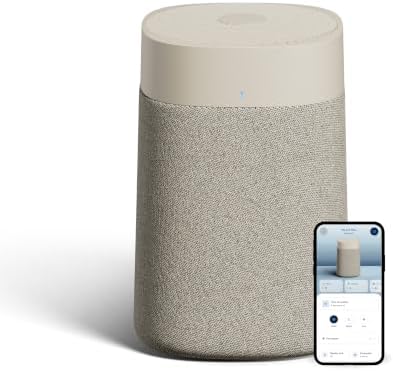
These options come from our affiliate table. Check the listing for the current CADR, filter type and replacement cost.





Pets, Dander and Large Spaces
Dander and hair spread across large areas. A washable pre-filter helps, and True HEPA captures fine dander. Put the unit near where pets spend time but away from direct hair flow.
Allergens and Seasonal Triggers
Pollen enters through doors and windows. Keep windows closed in high-pollen hours and run the purifier on a higher setting in season. Dust mites live in fabrics, so wash bedding and vacuum often.
One Big Unit or Two
A single high-CADR unit is simpler. Two mid-size units in different zones can distribute clean air better in divided spaces. The best choice depends on layout.
Noise at Higher Speeds
Large fans can be quiet on medium but loud on high. Check reviews for noise at medium and aim to run there most of the time.
Why Large Rooms Are Harder
Large rooms have more air to clean, more doors and openings and more activity. A unit that handles a 200 square foot bedroom well may do little in a 600 square foot great room.
The air in a large room also takes longer to circulate, so placement matters.
Sizing by CADR
AHAM guidance suggests a CADR of about two-thirds of the floor area for 8 foot ceilings. For allergies and pets, add margin of 20 to 50 percent.
| Room size | Ceiling | CADR for allergies and pets |
|---|---|---|
| 400 sq ft | 8 ft | 270 to 400 |
| 600 sq ft | 9 ft | 400 to 600 |
| 800 sq ft | 10 ft | 530 to 800 |
A Worked Example: 700 Square Foot Great Room With Two Dogs
A 700 square foot great room with a 10 foot ceiling has about 7,000 cubic feet of air. The two-thirds guideline for 8 foot ceilings points to a CADR near 470; with the taller ceiling and two dogs, aim for 600 or more, or use two units around 350 each placed at opposite ends. Put one near the dogs’ resting area and one near the seating area. Run them on medium most of the day and boost them when you vacuum or have guests.
| Layout | Suggested approach | Why |
|---|---|---|
| Open great room | One high-CADR unit or two mid-size | Air moves freely |
| Divided by furniture | Two units | Covers both zones |
| Basement family room | One unit plus dehumidifier | Moisture matters |
| Loft with high ceiling | Higher CADR | Large volume |
Allergen Control Beyond the Purifier
- Vacuum with a sealed HEPA vacuum weekly
- Wash bedding and throws in hot water if the fabric allows
- Damp-wipe hard surfaces
- Use mattress and pillow covers
- Keep humidity between 30 and 50 percent
- Ventilate when outdoor air is good
Placement in Big Rooms
Keep the unit at least one foot from walls and avoid tucking it behind sofas. Aim for a spot where it can draw air from the zone you use most. If you have a pet area, put the unit between that area and your seating. In long rooms, place the unit near the middle of the long wall for balanced airflow.
Maintenance for Heavy Use
Large units in pet homes load their pre-filters quickly. Check them every one to two weeks, vacuum or wash as directed and replace the main filter on schedule. Keep a spare set of filters. A neglected filter reduces airflow, which hurts performance more in a large room than in a small one.
Noise Planning for Open Spaces
In an open plan, the purifier’s sound competes with TV, conversation and kitchen noise. A large fan on medium is usually fine. If you work from home, place the unit away from your desk or choose a model with a quiet mode. Avoid putting it directly beside seating.
Seasonal Adjustments
Increase run speed in pollen season and during wildfire smoke or heavy cooking. Reduce speed when conditions are calm. After heavy shedding seasons for pets, replace pre-filters sooner. Keep a calendar of filter changes so you replace on time.
Costs Over Time
A large unit costs more up front and uses more power at high speed. Running on medium most of the time keeps costs sensible. Compare filter costs and availability before you buy, because large filters can be expensive.
How to Choose
- Measure the room, including open sections
- Add margin for pets and allergens
- Choose True HEPA with a washable pre-filter
- Check noise at medium speed
- Compare filter costs over two years
- Place with clear airflow
Do
- Match the unit’s rated coverage to your room first
- Run it consistently, not only when the air feels bad
- Leave space around the unit for airflow
- Replace filters on the maker’s schedule
Don’t
- Do not buy on looks or price alone
- Do not block the intake or exhaust
- Do not skip filter changes
- Do not expect a purifier to fix every source of pollution
Honest Limits
- This guide uses manufacturer information and public guidance from the EPA and AHAM, not our own lab tests.
- Features and room ratings change between model years, so confirm on the listing before you buy.
- A purifier is not a medical device and does not replace medical advice or treatment.
Who Should Skip This
Skip small or compact units advertised for large spaces; check the CADR behind the claim.
Skip ionizer and ozone modes; the EPA advises against ozone-generating devices.
When to See a Professional
If allergies cause wheezing or trouble breathing, see a doctor. A purifier supports a plan but does not replace treatment.
If you suspect mold, gas appliances or moisture problems, get a qualified professional to inspect.
Frequently Asked Questions
What size purifier do I need for a large room?
About two-thirds of the floor area in CADR for 8 foot ceilings, plus 20 to 50 percent margin for pets and allergens.
Is one large unit better than two?
One is simpler; two can clean divided or very large spaces better.
Will a big purifier be loud?
At high speed, yes. Medium is usually quiet enough for living areas.
Does ceiling height matter?
Yes. Taller ceilings mean more air volume, so you need more CADR.
How often should I clean the pre-filter?
Every one to two weeks in pet homes, more often in shedding season.
Where should I place the unit?
Near where people and pets spend time, away from walls and with clear airflow.
Can a purifier cure allergies?
No. It reduces airborne allergens but should be combined with cleaning and medical advice.
Do carbon filters help with pet odors?
They help with some odors. Cleaning bedding and litter is more important.
Are ionizers a good idea for large rooms?
Some produce ozone, which the EPA advises against.
How much electricity will it use?
Medium speeds use moderate power. Compare wattage at the speeds you will run.
Bottom Line
A large room needs high CADR, real filtration and sensible placement. For divided spaces, two mid-size units often outperform one large unit.
Size first, then check noise and filter costs.
Related reading: bed,lw,fan
Sources: EPA, Guide to Air Cleaners in the Home; AHAM Verifide.