Last updated:
Disclosure: As an Amazon Associate we earn from qualifying purchases. This does not change what we recommend. See our affiliate disclaimer.
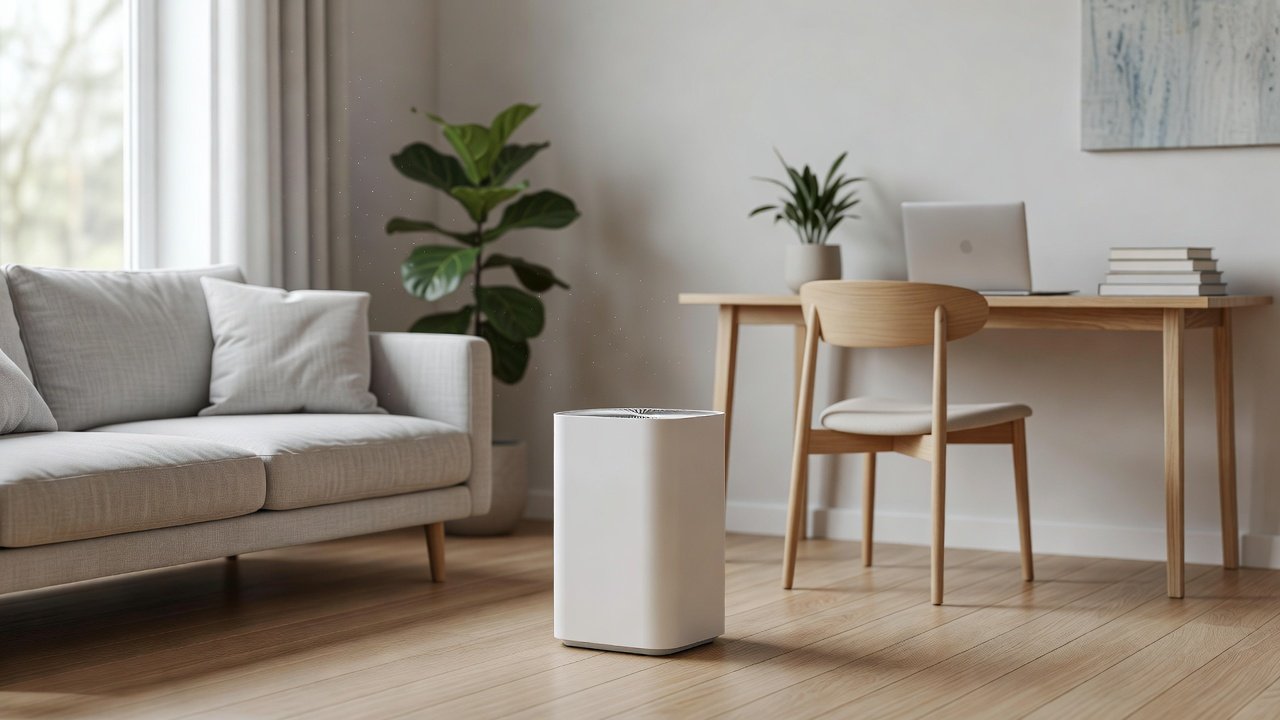
Medical grade is a marketing phrase and not a defined standard for home air purifiers. Some products use it to suggest quality, but it does not guarantee any particular performance or suitability for medical needs. Instead of relying on the label, check for true HEPA filtration, verified CADR, no ozone and a maintenance plan.
This guide explains what to check, which claims to treat with caution and what to ask a clinician if you have a health condition. We have not tested these products ourselves, so confirm specifications on product pages. Nothing here is medical advice.
Check instead
- True HEPA
- Verified CADR
- Ozone safety
Be cautious with
- Medical-grade claims
- Treatment claims
- Germ-killing claims
Key Takeaways
- Medical grade is not a defined standard
- Check true HEPA and CADR
- Avoid treatment claims and ozone
- Ask a clinician
A Practical Checklist
Measure your room, choose CADR to match, confirm true HEPA, check noise and compare filter costs. Check return policies.
Keep the manual and receipt.
Why the Label Misleads
Sellers may use medical grade to imply quality without evidence. A specific number, such as CADR from a verified test, is more useful than a label.
Home Habits That Matter
Reduce sources such as smoke and fragrances, control humidity roughly between 30 and 50 percent and clean regularly.
Common Mistakes
Believing medical claims, buying too small a unit, ignoring filters and using ozone devices are common mistakes.
When Symptoms Persist
If symptoms persist or worsen, ask a clinician. A purifier does not diagnose or treat conditions.
What Actual Medical Filtration Looks Like
Hospitals and clinics do not rely on portable boxes. They use engineered ventilation with specified air changes per hour, filters installed in sealed ducts, pressure differences between rooms, and maintenance regimes verified by testing. Operating theatres and isolation rooms have their own standards. A portable purifier in a home shares the filter media type but none of the surrounding engineering, which is why the term medical grade on a consumer box describes a hope rather than a system.
That does not make home purifiers useless; it means the label tells you nothing about how well a particular unit cleans your room.
Certifications That Actually Mean Something
- AHAM Verifide: independently tested CADR for smoke, dust, and pollen
- CARB certification: meets California’s limit on ozone emissions
- Energy Star: energy efficiency for a given CADR
- EN 1822 class with a stated efficiency and particle size: filter media performance
- UL or ETL listing: electrical safety
None of these is called medical grade, and that is the point. Real certifications name what they measure.
Questions to Ask a Seller
Ask for the smoke CADR, the HEPA efficiency and the particle size it was measured at, whether the housing is sealed, the noise level at each speed, the ozone emission status, and the cost and interval of replacement filters. A seller who answers with numbers is selling a real product; one who repeats the phrase medical grade is selling a label. Ask whether any claim about germs or viruses is backed by a published, independent test under conditions that resemble a home.
For People With Health Conditions
If you are choosing a purifier because of a medical condition, ask the clinician or care team what they recommend for the room. They may have specific advice on filtration, humidity, or precautions that matter more than any device. A true HEPA unit without ozone, sized for the bedroom and kept maintained, is the usual sensible choice. Treat the purifier as a supporting step within a care plan, not as treatment. Nothing here is medical advice.
Sealing and Bypass
A filter rated to capture 99.97 percent of particles does nothing for the air that slips around its edges. Cheaply built units leave gaps between the filter frame and housing, and those gaps let unfiltered air through. Look for a gasket around the filter, a snug fit, and a housing that closes firmly. Independent reviews that measure whole-unit efficiency, rather than quoting the filter spec, reveal which units actually seal. This matters more than any grade on the label.
Maintenance Is the Real Medical-Grade Factor
In clinical settings, filters are changed on schedule and systems are tested. At home, the equivalent is simple: clean the pre-filter monthly, replace the HEPA when it greys or airflow drops, replace carbon when odors return, and keep the unit clear of obstructions. A neglected premium unit performs worse than a maintained basic one. If a label tempts you to skip the routine, it has done you a disservice.
A Practical Buying Path
Measure the room, work out the target smoke CADR, shortlist units with true HEPA, a sealed housing, no ozone, and sensible filter costs, then pick the quietest at the speed you will use. Ignore medical grade in the listing. That path produces a purifier that does the job the label promised without paying for the promise.
Reader Scenario: The Label Versus the Numbers
A reader shortlisted two purifiers for a parent recovering at home. One was sold as medical grade with no CADR published; the other was a plain true HEPA unit with an AHAM-verified smoke CADR and a CARB listing. The care team, when asked, had no view on brands but recommended true HEPA, no ozone, and good room coverage. The plain unit met every point and cost less, and a particle monitor in the closed room showed it holding levels low on medium speed. The label had added nothing but price.
True HEPA Air Purifiers
These picks come from the Hostinger affiliate plugin. Specs change by model year, so confirm filter type, CADR, noise and replacement filter costs on the product page.






What the Term Means
There is no single definition of medical grade for consumer air purifiers, so sellers can use it freely. A purifier is not a medical device unless regulators have classified and approved it as one, and most home units are not.
True HEPA First
True HEPA captures at least 99.97 percent of particles at 0.3 microns. Check the product page for true HEPA rather than HEPA-type.
Verified Performance
AHAM Verifide CADR ratings help compare units. Match CADR to room size, roughly two thirds of the floor area at 8 foot ceilings.
Treatment Claims
Be wary of any claim that a purifier treats, cures or prevents a medical condition. Purifiers may reduce some airborne irritants but are not treatments.
Ozone and Extras
Avoid ozone-emitting devices. Treat UV-C and ionizing features as optional extras with varying evidence.
Questions for Your Clinician
Ask what triggers matter for your condition, whether a purifier may help and what other steps to take.
Do not change treatment based on a product.
Reading Reviews
Look for reviews that mention measured results, noise and filter costs. Be cautious about glowing reviews without detail.
Check independent tests.
Certifications
AHAM verifies CADR and CARB sets ozone limits in California. Check what a certification covers.
Ask the seller for documents.
Noise and Costs
Check decibels and yearly filter costs. A cheap unit with expensive filters costs more over time.
Look for sleep modes.
Maintenance
Replace filters on schedule and clean pre-filters. Keep intakes clear.
Do not wash HEPA filters unless the manual says so.
How to Choose
- True HEPA filtration
- Verified CADR
- No ozone features
- Easy filter replacement
Do
- Match the unit’s rated coverage to your room first
- Run it consistently, not only when the air feels bad
- Leave space around the unit for airflow
- Replace filters on the maker’s schedule
Don’t
- Do not buy on looks or price alone
- Do not block the intake or exhaust
- Do not skip filter changes
- Do not expect a purifier to fix every source of pollution
Honest Limits
- This guide uses manufacturer information and public guidance from the EPA and AHAM, not our own lab tests.
- Features and room ratings change between model years, so confirm on the listing before you buy.
- A purifier is not a medical device and does not replace medical advice or treatment.
Who Should Skip This
When to See a Professional
Frequently Asked Questions
Is medical grade a real standard?
Not for consumer purifiers.
Can a purifier treat a condition?
No.
What should I check?
True HEPA, CADR and ozone safety.
Who should I ask?
A clinician about health conditions.
Bottom Line
Ignore the medical-grade label, check true HEPA and CADR and ask a clinician about any health condition.
Related reading: sens,fan,bed
Sources: EPA, Guide to Air Cleaners in the Home; AHAM Verifide.