
Last updated:
Disclosure: As an Amazon Associate we earn from qualifying purchases. This does not change what we recommend. See our affiliate disclaimer.
A one-room air purifier is built to clean the air in a single closed space, such as a bedroom, an office or a nursery. It will not clean your whole home, and that is not a flaw. The goal is to match one unit to one room and run it consistently.
Below we explain how to size a unit for one room, which features matter and what a single purifier cannot do. Choices come from our affiliate table, and our guidance relies on EPA and AHAM information rather than our own testing.
A one-room unit fits if
- You want cleaner air in one space
- You can keep that room closed while it runs
- You value low noise and simple upkeep
Plan for more if
- You want the whole home treated
- The room is open to other areas
- Different rooms have different pollution sources
Key Takeaways
- A one-room purifier cleans a closed space; keep the door shut while it runs.
- Size by CADR: about two-thirds of the floor area for 8 foot ceilings.
- Choose features by room: low noise for bedrooms, higher airflow for offices with equipment.
- Pollutant type decides filters: HEPA for particles, carbon for odors and some gases.
- One unit cannot solve moisture, mold or source problems.
- Plan for filter cost and a spot with clear airflow.
- Avoid ozone and ionizer modes, which the EPA advises against.
Matching Filters to the Problem in Your Room
Different rooms collect different pollutants. In a bedroom, dust mite debris and pollen from open windows are common, so True HEPA is the priority. In a home office, toner and paper dust, plus fine particles from outdoor air, call for HEPA and a washable pre-filter. In a nursery, a quiet unit with good HEPA filtration and no ozone is the sensible choice. In a room that holds odors, such as a pet room or a basement den, add a real carbon bed.
Do not pay for filter stages you will not use. A simple three-stage filter with a pre-filter, HEPA and carbon is enough for most rooms.
Limits of Single-Room Cleaning
A single unit helps most when the room is sealed from the sources. It cannot clean smoke from a neighbor’s apartment seeping under the door, and it cannot offset a damp wall growing mold. If the door is open all day, the effective volume doubles or triples, and the same CADR gives much less cleaning. If you must keep the door open, step up in CADR by at least half.
Buying Checklist for One-Room Units
- Stated CADR for smoke, dust and pollen
- True HEPA filter
- Noise figure for the lowest speed
- Filter price and availability
- Warranty length and support
- Dimmable display and sleep mode for bedrooms
- No ozone or ionizer modes you cannot turn off
Seasonal Adjustments
In pollen season, run the unit more and wash the pre-filter more often. In winter, when windows stay shut, dust and indoor sources dominate. During smoke events, close the room tight and run the unit on a higher setting. After the event, return to a quieter routine and replace any filter that looks clogged.
A Short Routine for Each Month
Week one: wipe the unit and check that the intake is clear. Week two: vacuum or wash the pre-filter. Week three: check humidity with a small hygrometer and ventilate if it is high. Week four: look at the filter indicator and order a replacement if it is within a month of the end of its life. A five-minute routine keeps the purifier at its rated performance.
Signs That the Unit Is the Wrong Size
If the room still smells of cooking hours later, if the filter clogs within weeks or if you need to run on top speed to feel a difference, the unit may be undersized. If the fan is noisy on low and quiet only on the sleep setting, the unit may be oversized for the quietest room. Compare your experience with the CADR table above and consider a swap within the return window.
Using a Single Purifier With Good Habits
A purifier works best alongside simple habits: keep the room clean, vacuum with a sealed HEPA vacuum, wash bedding weekly and avoid burning candles or incense in the room. Open windows for short periods when outdoor air is good. These habits cut the load on the filter and keep the room fresher between filter changes. Together with a correctly sized unit, they give the best results for the money.
Top Picks: One-Room Air Purifiers
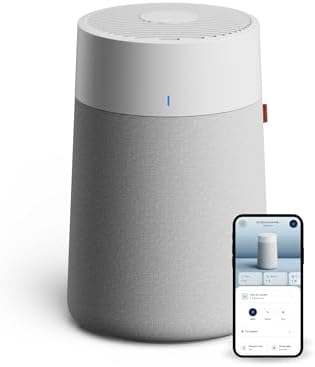
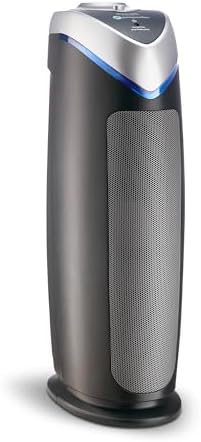
These options come from our affiliate table. Check the listing for the current CADR, filter type and replacement cost.




Pick the Room First, the Pollutant Second
Dust and pollen call for True HEPA. Pet dander calls for HEPA and a washable pre-filter. Odors need a meaningful amount of carbon. Smoke needs both HEPA and carbon. Decide which problem is biggest before you choose.
Noise and Sleep
A bedroom unit should be quiet on low and have a sleep mode that dims lights. An office unit can tolerate a little more fan noise. Check reviews for sound descriptions rather than relying on decibel claims alone.
What One Purifier Cannot Do
It cannot remove pollution sources, replace ventilation or protect other rooms. It also cannot fix moisture problems or stop mold from growing.
One Room Means a Closed Room
Purifiers clean the air they pull in. In a room with an open door, air exchanges with the hallway, and the unit works on a larger volume than its rating assumes. Closing the door improves results.
Sizing by Square Feet and CADR
AHAM guidance suggests a CADR of about two-thirds of the floor area for 8 foot ceilings. Taller ceilings mean more volume and need more capacity.
| Room | Typical size | CADR to aim for |
|---|---|---|
| Nursery or small office | 100 sq ft | 70 or more |
| Bedroom | 150 sq ft | 100 or more |
| Large bedroom | 250 sq ft | 170 or more |
A Worked Example: A Home Office and a Bedroom
A 120 square foot home office needs a CADR near 80; a 180 square foot bedroom needs near 120. Both rooms can be served by units in the 100 to 150 range, but they are used differently. The office unit runs by day and can tolerate a little more noise, so put the money into airflow. The bedroom unit runs at night, so put the money into a quiet low setting and dimmable lights.
| Room | Main concern | Best priority |
|---|---|---|
| Home office | Dust, printer particles | Airflow, washable pre-filter |
| Bedroom | Sleep, dust, pollen | Quiet low speed, True HEPA |
| Nursery | Dust, odors | Quiet, sleep mode, safe placement |
| Guest room | Occasional use | Low cost, easy upkeep |
Choosing Between One Larger Unit and Several Small Ones
If you want to treat several rooms, one purifier per room usually beats moving a single unit around. Buy the same model for rooms with similar sizes to simplify filters. If budget limits you to one, put it where you spend the most hours, usually the bedroom, and close the door.
Placement Tips for Single Rooms
- Keep the unit at least a few inches from walls and furniture
- Do not place it behind curtains or in a corner
- Aim the exhaust away from beds and desks
- Keep the door closed while the unit runs
- Place it near the pollution source if one is obvious
Maintenance for One Room
Wipe the exterior with a dry cloth, vacuum or wash the pre-filter on the maker’s schedule and replace filters when due. Write the replacement date on the unit or in your phone. A neglected filter reduces airflow and can leave the room no cleaner than before.
Energy and Running Costs
A small purifier on low typically uses only a few watts, comparable to a night light, while high speed uses much more. Running on low continuously costs little. The larger cost is replacement filters, so compare them before you buy.
How to Choose
- Measure the room and find the CADR target
- Decide which pollutant matters most
- Check the low speed noise
- Confirm True HEPA and replacement filter price
- Place it with clear airflow and keep the door closed
Do
- Match the unit’s rated coverage to your room first
- Run it consistently, not only when the air feels bad
- Leave space around the unit for airflow
- Replace filters on the maker’s schedule
Don’t
- Do not buy on looks or price alone
- Do not block the intake or exhaust
- Do not skip filter changes
- Do not expect a purifier to fix every source of pollution
Honest Limits
- This guide uses manufacturer information and public guidance from the EPA and AHAM, not our own lab tests.
- Features and room ratings change between model years, so confirm on the listing before you buy.
- A purifier is not a medical device and does not replace medical advice or treatment.
Who Should Skip This
Skip a one-room purifier if you expect it to clean the whole house.
Skip ionizer and ozone modes; the EPA advises against ozone-generating devices.
When to See a Professional
If you have asthma or allergies, talk to your doctor about a plan. A purifier supports it but does not replace it.
If you suspect mold or a gas leak, address the source and contact a qualified professional.
Frequently Asked Questions
What is a one-room air purifier?
A unit sized to clean the air in a single room. It works best when the room is closed and the CADR matches the space.
What CADR do I need for one room?
About two-thirds of the floor area for 8 foot ceilings. A 150 square foot room points to a CADR near 100.
Can one purifier clean two rooms?
Only if the doors stay open and the unit has capacity for the combined area. Results are weaker than one unit per room.
Where should I put it?
A few feet from walls, with clear airflow, near where you spend time or near the pollution source.
Does it help with odors?
Units with enough carbon can reduce some odors. Fix the source and ventilate first.
How often do filters need replacing?
Follow the maker, often every 6 to 12 months for HEPA, more often in smoky or dusty homes.
Are one-room purifiers expensive to run?
Low speeds use little power. Filters are the main ongoing cost.
Should I keep the door closed?
Yes. An open door lets air mix with the rest of the home and slows cleaning.
What about ozone or ionizers?
The EPA advises against ozone-generating devices. Prefer filter-only designs.
Do I still need to ventilate?
Yes. A purifier recirculates indoor air; it does not bring fresh air in.
Bottom Line
The best one-room purifier is the one sized for your space, quiet enough to run overnight and easy to maintain.
Start with CADR, then noise, then filters and cost.
Related reading: bed,port,lw
Sources: EPA, Guide to Air Cleaners in the Home; AHAM Verifide.