Last updated:
Disclosure: As an Amazon Associate we earn from qualifying purchases. This does not change what we recommend. See our affiliate disclaimer.
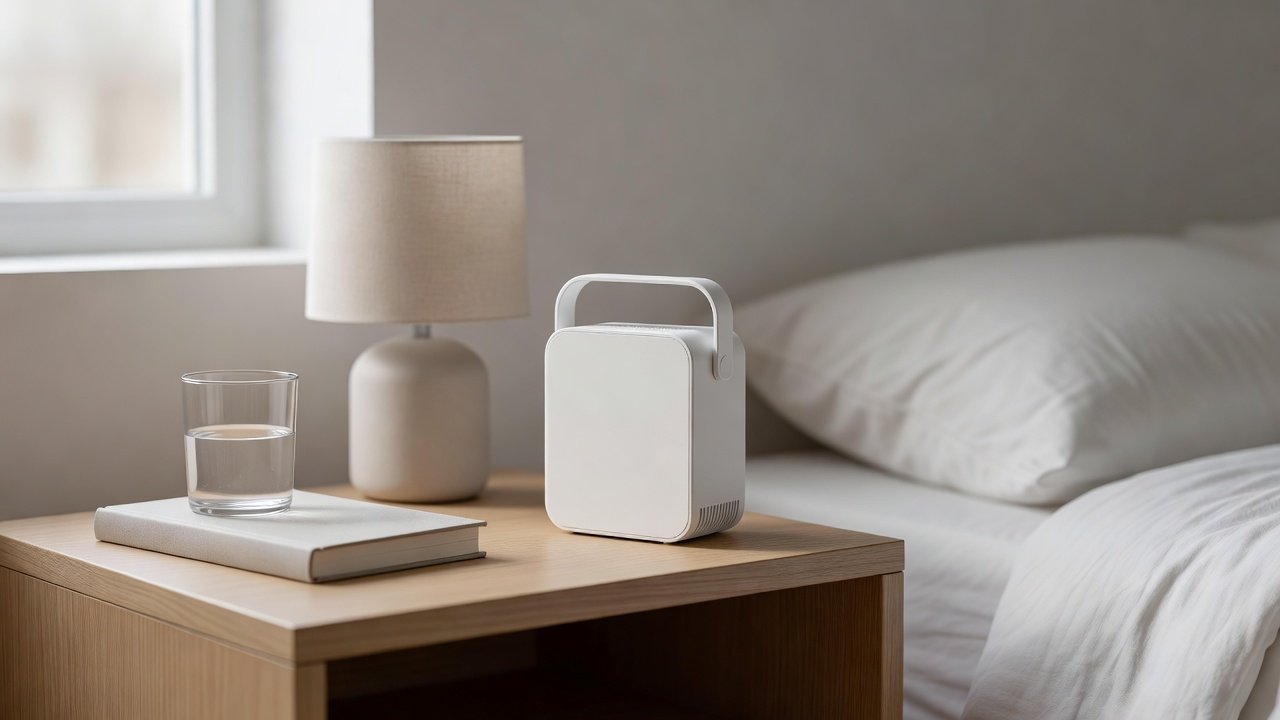
A portable air purifier is a compact, light unit you can move between a bedroom, home office and living area, or even pack for a trip. It cleans the air in the room where it runs, so portability trades coverage for convenience.
The key question is whether the room you want to clean is small enough for a compact unit. If it is, a portable purifier is often the simplest and most affordable way to cut down dust, pollen and pet dander.
This guide explains how to size a portable purifier, what filters and features matter, how loud they get and which models are worth a look. Recommendations come from manufacturer information and public guidance from the EPA and AHAM, not from our own testing.
A portable unit fits if
- Your room is small to medium
- You want to move one purifier between rooms
- You want a lower upfront cost
Look at a larger unit if
- Your room is large or open plan
- You want one unit to cover a whole floor
- You need the highest airflow for smoke or heavy dust
Key Takeaways
- Portable purifiers suit small rooms, desks and travel; they cannot treat large spaces.
- Size by CADR to the room: about two-thirds of floor area for standard ceilings.
- Look for True HEPA, a quiet low setting and a power source that fits your use.
- Small units load filters faster, so check replacement cost and availability.
- Placement with clear intake and some distance from walls improves results.
- Carbon layers in portables are usually thin; expect modest odor control.
- Avoid ozone and ionizer modes, which the EPA advises against.
Buying Checklist for a Portable Purifier
- Stated CADR that matches your room size
- True HEPA filter, not HEPA-type
- Quiet low setting you can test
- Filter price and availability for at least two years
- Warranty and customer support
- No ozone or ionizer modes you cannot turn off
- Stable base and a cord length that suits your outlet
Moving a Portable Between Rooms
The advantage of a portable unit is that it follows you. Run it in the bedroom at night and in the office during the day. Keep in mind that every move leaves the other room uncovered. If you need continuous coverage in two rooms, two units are better than one that travels.
Top Picks: Compact Portable Air Purifiers
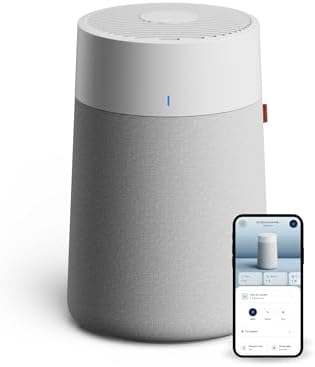
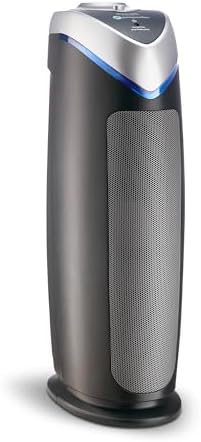
Six compact models to compare, including bedroom-size and mid-size options. Always check the maker\u2019s rated room size and the current filter details on the listing.




What Makes a Purifier Portable
There is no strict definition. In practice, a portable purifier is light enough to carry with one hand, has a small footprint and often a handle or compact shape. Many are cylindrical or small towers made for desks, nightstands and shelves.
Portable does not mean low quality. A small unit can use the same kind of HEPA-type filter as a large one. What it lacks is airflow, which limits the room size it can handle.
Match the Unit to the Room
Manufacturers list a room size for each model. AHAM and the EPA both stress matching the purifier to the room, because an undersized unit takes too long to clean the air.
If you plan to move the purifier between rooms, size it for the largest room you will use it in. It will have an easier job in smaller rooms, and a larger room than it is rated for will be a stretch.
Portable vs Larger Units at a Glance
| Factor | Portable | Larger |
|---|---|---|
| Coverage | Smaller rooms | Large rooms |
| Weight | Light, easy to carry | Heavier |
| Noise | Louder on high in some models | Often quieter for the same airflow |
| Filter cost | Often lower | Often higher |
| Setup | Plug in anywhere | Needs a dedicated spot |
| Best use | Bedroom, office, travel | Living room or open plan |
Filters: HEPA, Carbon and Pre-Filters
Look for a true HEPA-type filter for fine particles such as dust, pollen and pet dander. An activated carbon layer helps with odors and some household gases, although it has limits and fills up over time.
A pre-filter catches larger dust and hair and protects the main filter. Check how often the maker suggests replacing each stage and how much it costs.
Noise: Can You Sleep With It?
Small fans can get loud on high speed. For a bedroom, check how quiet the lowest setting is and whether there is a sleep mode that turns off the lights.
Noise figures from makers are measured in different ways, so compare them with recent buyer reviews rather than relying on the number alone.
Travel and Hotel Use
Some very compact units are sold for travel, but they have limited airflow and rated coverage, so they work best in a small hotel room or a car on a modest setting. Check the maker\u2019s rated coverage and power source before you pack one.
A purifier does not replace good ventilation, and it cannot change what is outside the room.
Power, Cords and Placement
Check the cord length and where the outlet is. Place the purifier where air can flow in and out, with some clearance from walls and furniture as the manual advises.
Avoid putting it on a soft surface where the intake can be blocked, and keep it out of reach of children and pets that might chew the cord.
Running Costs and Filter Life
Small units use modest electricity, especially on low settings. The real recurring cost is replacement filters, so compare price and expected life before buying.
A purifier that is moved often can pick up more dust in the pre-filter, so check it more regularly.
Who Should Buy a Portable Purifier
- Renters and students who move often
- People who want one unit for a bedroom and a home office
- Anyone cleaning a small room on a budget
- Travelers with a modest-sized hotel room
A Worked Example: 120 Square Foot Home Office
A 120 square foot office with an 8 foot ceiling points to a CADR near 80 by the two-thirds guideline. A portable unit with a CADR of 100 to 130 gives you a margin for an open door or a visitor. Put it on a desk or shelf a few feet from where you sit, aimed so airflow does not blow papers around, and keep the door closed while it runs.
| Space | Typical size | CADR target |
|---|---|---|
| Dorm room | 100 sq ft | 70 or more |
| Home office | 120 sq ft | 80 to 130 |
| Small bedroom | 150 sq ft | 100 to 150 |
| Nursery | 100 sq ft | 70 to 100 |
These are guidelines; units rated for larger areas give faster cleaning and often run more quietly at a lower fan speed.
How Small Is Too Small?
Tiny personal units, such as desktop or USB models, move very little air. They may reduce particles within a few feet, but they cannot clean a room. If the CADR is not published, treat marketing claims with caution. A mid-size portable with a stated CADR is a safer buy than a very small unit with unverifiable claims.
Power Options and Portability Trade-Offs
- Plug-in models give the most airflow and run indefinitely
- USB models are convenient but move less air
- Battery models are rare; check capacity and runtime
- Carrying handles matter if you move the unit often
- Weight affects whether you will actually relocate it
Filter Life in Small Units
Small filters have less surface area, so they load faster. Expect to replace filters more often than in a larger unit and check the cost per month. Carbon layers are usually thin, so odor control fades faster. A washable pre-filter, if included, makes upkeep easier.
Noise in Small Rooms
In a small room, you are close to the fan, so noise is more noticeable. Look for a quiet low setting and, if you sleep with it on, a dim or off-light mode. Test the lowest speed in a quiet room before keeping it.
Where Portables Fit Best
They fit best as personal-zone cleaners: a nightstand, desk or small play area. They can also supplement a larger purifier in a room with a specific source, such as a pet bed. Do not expect them to substitute for a properly sized unit.
How to Choose
- Measure the room you most want to clean.
- Choose a unit rated for at least that size.
- Pick a true HEPA-type filter and carbon layer if odors matter.
- Check noise on the lowest setting.
- Compare filter price and replacement schedule.
- Check weight, handle and cord length for easy moving.
Do
- Match the unit’s rated coverage to your room first
- Run it consistently, not only when the air feels bad
- Leave space around the unit for airflow
- Replace filters on the maker’s schedule
Don’t
- Do not buy on looks or price alone
- Do not block the intake or exhaust
- Do not skip filter changes
- Do not expect a purifier to fix every source of pollution
Honest Limits
- This guide uses manufacturer information and public guidance from the EPA and AHAM, not our own lab tests.
- Features and room ratings change between model years, so confirm on the listing before you buy.
- A purifier is not a medical device and does not replace medical advice or treatment.
Who Should Skip This
Skip tiny units that promise to clean a whole room.
Skip ionizer and ozone modes; the EPA advises against ozone-generating devices.
When to See a Professional
If you have asthma or allergies, talk to your doctor about a plan. A purifier supports it but does not replace it.
If a unit smells of burning or overheats, unplug it and contact the maker.
Frequently Asked Questions
Do portable air purifiers work?
They can reduce particles near the unit, especially in small rooms, if the CADR fits the space.
What CADR do I need for a small room?
About two-thirds of floor area for standard ceilings. For 120 square feet, aim for 80 to 130.
Can I use a portable purifier in a bedroom?
Yes, if it has a quiet low setting and the right CADR. Place it a few feet from the bed with the intake clear.
Are USB purifiers worth it?
They move little air. They may help in a very small space, but check the stated CADR.
How often should I change filters?
More often than in a large unit. Follow the maker’s schedule and check the pre-filter regularly.
Can I take it on a plane?
Check airline rules, especially for batteries. A plug-in unit is usually fine in a carry-on.
Does a portable purifier remove odors?
Thin carbon layers may help a little. For strong odors, fix the source and ventilate.
Where should I put it on a desk?
A few feet from you, with the intake clear and airflow not hitting papers or screens.
Are ionizer modes safe?
Some produce ozone, which the EPA advises against.
How loud are portable purifiers?
It varies. Check the lowest setting noise before buying.
Bottom Line
A portable purifier is a practical choice when the room is small to medium and you value flexibility. Match the unit to the room and it will do the job.
For large or open spaces, step up to a larger unit rather than stretching a small one.
Related reading: port,sens,wifi
Sources: EPA, Guide to Air Cleaners in the Home; AHAM Verifide.