Last updated:
Disclosure: As an Amazon Associate we earn from qualifying purchases. This does not change what we recommend. See our affiliate disclaimer.
A small air purifier for a bedroom needs three things: enough airflow for the room, a low speed that is quiet when you are trying to sleep, and filters you can afford to replace. Everything else is optional.
This guide explains how to size a small bedroom purifier, what features matter at night and where to put the unit. It also covers filters, cost and common mistakes. Choices come from our affiliate table. Our guidance follows EPA and AHAM information and is not based on our own lab testing.
Good fit if
- Your bedroom is under about 200 square feet
- You want a quiet low setting
- You will run it every night
Look elsewhere if
- The room is larger or open to a hallway
- You have heavy pet or smoke sources
- You want to treat the whole home
Key Takeaways
- Match CADR to the room: about two-thirds of the floor area for 8 foot ceilings.
- Noise on the lowest setting matters most for sleeping.
- A dimmable display and a sleep mode make a bedroom unit usable at night.
- Place the unit a few feet from the bed with clear airflow and the door closed.
- Start on medium before bed, then drop to low for the night.
- Wash bedding weekly and manage triggers; a purifier is not a cure.
- Avoid ozone and ionizer modes, which the EPA advises against.
A Sleep-Friendly Bedroom Setup
A purifier is one part of a good sleep environment. Keep the room cool, dark and quiet, use bedding that you wash weekly and avoid strong fragrances. Place the purifier where airflow does not blow directly on you, since a draft can be uncomfortable even when the sound is low. If you share the room, agree on the speed and light settings. Sleep experts suggest a consistent routine, and starting the purifier each evening can become part of it.
If you travel, a small travel unit can keep the familiar white-noise-like hum, though the benefit for air cleaning depends on the CADR.
Troubleshooting a Noisy Small Purifier
- Check that the unit sits on a flat, hard surface
- Clean the pre-filter, since a clogged filter strains the fan
- Check that the filter is seated correctly
- Move the unit away from walls that may amplify vibration
- Try a lower speed and a longer run time
- Contact the maker if the sound is new, loud or irregular
How Long Before You Notice a Difference
Dust and pollen reductions may be noticeable within days, such as less dust on the nightstand. Changes in how you feel can take longer and may not be obvious. Give the unit a few weeks, keep up with cleaning and track your sleep and symptoms. If nothing changes, consider other causes with your clinician.
Questions to Ask Before You Buy a Small Bedroom Unit
- What is the CADR, and is it published by the maker or AHAM?
- How loud is the lowest setting according to reviews?
- Can I turn the lights and beeps off?
- How much does a replacement filter cost, and where can I buy it?
- Is there any ionizer or ozone mode, and can I disable it?
- What is the return window if the sound bothers me?
Answers to these six questions tell you more about how a small purifier will live in your bedroom than any marketing claim.
Top Picks: Compact Air Purifiers for Small Rooms
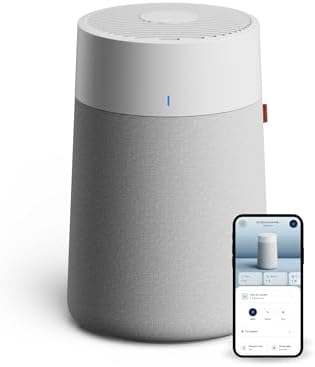
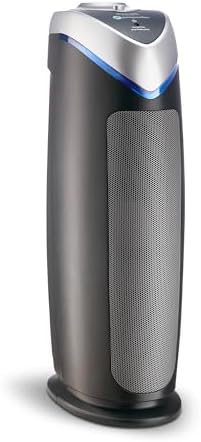
These options come from our affiliate table. Check the listing for the current CADR, filter type and replacement cost.




Night-Friendly Features
A quiet low setting, a sleep mode and a display that dims or turns off are the features that matter most at night. A unit with a bright light or a beep on every button press is a poor bedroom choice.
Filters for Bedrooms
True HEPA captures dust, pollen and dander. A thin carbon layer can help a little with odors. Check the replacement filter price and expected life.
Placement
Place the unit a few feet from the bed, with the intake clear. Avoid corners and do not block the unit with curtains or bedding. Keep the door closed.
Noise: What to Check
Look for published decibel figures for the lowest setting and read reviews that describe the sound. Some units hum, some click and some whistle. Choose the sound you can sleep through.
Sleep and Allergies
A purifier may reduce airborne dust and pollen at night, but cleaning bedding and managing triggers matters too. Wash bedding weekly and keep pets out of the bedroom if allergies are a concern.
When a Small Unit Is Not Enough
If you have a larger bedroom, an open door to the hall or strong sources of pollution, step up to a larger unit. A bigger fan running slowly can be quieter than a small fan running fast.
Small Does Not Mean Weak
A small purifier can move plenty of air for a small bedroom if the fan and filter are well designed. Look at CADR, not just size. Some small units are strong, and some large-looking ones are weak.
The aim is a CADR that matches your room and a design that is quiet.
Sizing a Small Bedroom Purifier
AHAM suggests a CADR about two-thirds of the floor area for 8 foot ceilings. For a 120 square foot bedroom that is about 80; for 180 square feet it is about 120.
| Bedroom size | CADR to aim for | Notes |
|---|---|---|
| 100 sq ft | 70 or more | Small room or nursery |
| 150 sq ft | 100 or more | Typical small bedroom |
| 200 sq ft | 135 or more | Add margin for open doors |
A Worked Example: Sleeping Well in a 130 Square Foot Room
In a 130 square foot bedroom, the two-thirds guideline points to a CADR near 87. A small unit with a CADR of 100 to 120 provides a margin. Run it on medium for the hour before bed to clear dust from the room, then drop to low or sleep mode. If the low setting is still audible and bothers you, move the unit farther from the bed or choose a model with a quieter fan. The best setting is the one you forget about.
| Time | Setting | Why |
|---|---|---|
| One hour before bed | Medium | Clear dust and pollen |
| Sleep | Low or sleep mode | Quiet overnight |
| Morning | Low or off | Save filters if desired |
| Dusty cleaning day | Medium | Capture stirred-up dust |
Understanding Noise Numbers
Decibel figures are measured at a set distance, usually one meter, and sound quality matters as much as volume. A low steady hum is easier to sleep through than a pulsing or clicking noise. Reviews that describe the sound at night are a better guide than the number alone. If you are sensitive to noise, buy from a seller with a return window.
Bedroom Lighting and Beeps
Many units have bright displays, status lights and beeps. Look for a unit that can turn off the display, silence beeps and dim the lights. A tiny LED that blinks every few seconds can disturb sleep. Black electrical tape over a stubborn light is a fix of last resort, but check that the tape does not cover vents.
Placement and Cord Safety
Keep cords out of walking paths and away from the bed. Do not run cords under rugs. Keep the unit away from curtains, bedding and pets that could chew. Leave space around the intake and exhaust. A bedside table or low shelf works well.
Nurseries and Kids’ Rooms
Choose a quiet unit with a child lock if available, and place it out of reach with cords secured. Avoid models with ionizer modes. Talk with your pediatrician if your child has breathing concerns. A purifier supports a plan but does not replace medical care.
Seasonal Bedroom Routine
In pollen season, shower before bed and wash bedding more often. In winter, when windows stay closed, dust builds up, so keep the unit running. In smoke events, close windows and run on a higher setting. Replace the pre-filter when it looks dirty.
Filter Care for Small Units
Small filters load faster. Check the pre-filter every few weeks, replace the HEPA filter on schedule and keep a spare. Mark the date on the unit or your calendar so it does not slip.
How to Choose
- Measure the bedroom and find the CADR target
- Check the low-speed noise
- Confirm True HEPA
- Check replacement filter price
- Place it with clear airflow and close the door
Do
- Match the unit’s rated coverage to your room first
- Run it consistently, not only when the air feels bad
- Leave space around the unit for airflow
- Replace filters on the maker’s schedule
Don’t
- Do not buy on looks or price alone
- Do not block the intake or exhaust
- Do not skip filter changes
- Do not expect a purifier to fix every source of pollution
Honest Limits
- This guide uses manufacturer information and public guidance from the EPA and AHAM, not our own lab tests.
- Features and room ratings change between model years, so confirm on the listing before you buy.
- A purifier is not a medical device and does not replace medical advice or treatment.
Who Should Skip This
Skip units with bright displays that cannot be dimmed if you are light sensitive.
Skip ionizer and ozone modes; the EPA advises against ozone-generating devices.
When to See a Professional
If you have asthma or allergies that disturb sleep, talk to your doctor. A purifier supports a plan but does not replace treatment.
If a unit smells of burning or overheats, unplug it and contact the maker.
Frequently Asked Questions
What size purifier do I need for a small bedroom?
A CADR of about two-thirds of the floor area. For 130 square feet, aim for around 90 to 120.
Are small purifiers quiet enough for sleeping?
Many are on low. Check reviews for sound descriptions and use the return window if needed.
Where should I put it?
A few feet from the bed with clear airflow, away from curtains and corners.
Should I run it all night?
Yes, on low or sleep mode if you find the sound comfortable.
How do I stop lights from bothering me?
Choose a unit with a dimmable or switchable display and silent controls.
Do small purifiers help with allergies?
They can reduce airborne dust and pollen. Cleaning bedding and managing triggers still matters.
How often should I change the filter?
Follow the maker, often 6 to 12 months for HEPA, with the pre-filter cleaned every few weeks.
Can I use one in a nursery?
Yes, with a quiet, secure unit and no ionizer modes. Talk with your pediatrician about concerns.
Are ionizer modes safe?
Some produce ozone, which the EPA advises against.
Do I need a purifier if I have a HEPA vacuum?
They do different jobs. The vacuum cleans surfaces; the purifier captures floating particles.
Bottom Line
A small bedroom purifier works best when it is sized for the room, quiet on low and easy to maintain.
Start with CADR, then noise, then filters.
Related reading: bed,fan,lw
Sources: EPA, Guide to Air Cleaners in the Home; AHAM Verifide.