
Last updated:
Disclosure: As an Amazon Associate we earn from qualifying purchases. This does not change what we recommend. See our affiliate disclaimer.
Travel air purifiers are very small units meant for hotel rooms, cars, offices and other small spaces. They are handy, but their airflow is limited, so expectations should be realistic.
A small purifier can reduce dust and some odors in a closed hotel room or a car cabin if it is sized for the space. It cannot clean a large room or fix poor ventilation.
This guide explains what travel purifiers can do, how to choose one, how to use it in hotels and cars and which compact models to compare. The advice follows manufacturer information and public guidance from the EPA and AHAM, not our own tests.
A travel purifier suits
- A small hotel room with the door closed
- A car or small office
- Travelers who want a light, compact unit
It will struggle with
- Large rooms or open spaces
- Heavy smoke
- Rooms with the windows open
Key Takeaways
- Travel purifiers are small and move little air, so they suit a hotel bedside, a car or a small space rather than a whole room.
- Look for True HEPA, a stated CADR and a quiet setting; check size, weight and power source.
- Avoid ionizer and ozone modes; the EPA advises against ozone-generating devices.
- Placement matters: a short distance from where you sleep or sit, with clear intake.
- Hotel rooms and cars have air exchange and heat that affect performance; manage expectations.
- Carbon helps with some odors but a thin layer saturates quickly.
- Bring spare filters and a power adapter, and check airline or hotel rules on devices.
Top Picks: Compact Purifiers for Travel and Small Spaces
Six compact models that suit small rooms. Some are larger than true travel units, so check each listing for weight, power source and rated room size.



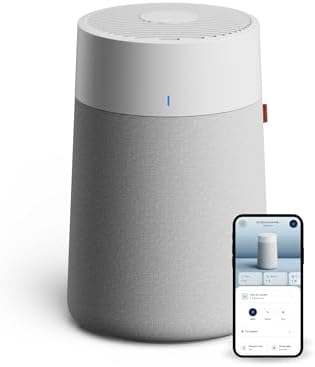
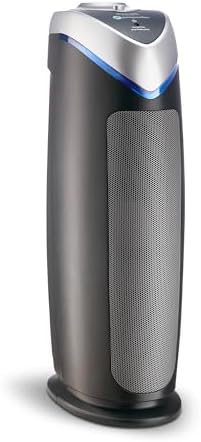

What Travel Purifiers Can Do
Travel units are small and light, often battery or USB powered, and have a modest fan. They cover small areas and work best in a closed space such as a hotel room or car cabin.
Compared with a home unit, the airflow is low, so effect depends on room size and how long you run it.
Hotel Rooms
Hotel rooms vary, but many are small enough for a compact purifier. Place the unit near the bed, away from the door and vents, and run it on a low or medium setting while you sleep.
Check the unit\u2019s rated room size and the hotel\u2019s rules about devices before you pack it.
Cars
Small car purifiers can cut down on dust and odor in a closed cabin. They work best with the vents and windows set as the manual advises, and with the unit placed where it does not block your view or airbags.
Do not rely on a car purifier to deal with heavy smoke or exhaust. Follow local air quality guidance.
Travel Purifier Features Compared
| Feature | Why it matters |
|---|---|
| Rated coverage | Tells you the room size it can handle |
| Power source | USB, battery or mains affects where you can use it |
| Filter type | True HEPA-type filters capture fine particles |
| Noise | You may sleep next to it |
| Weight and size | Fits a bag or a cup holder |
Filters and Replacement
Check the filter type and replacement cost. Small filters are cheap but wear out faster in travel conditions.
Keep a spare filter in your luggage if you travel often.
Avoid Ozone and Unproven Claims
The EPA advises against ozone-producing air cleaners. Some very small gadgets promise to remove viruses or bacteria without clear evidence. A filter-based unit is the safer choice.
Noise and Battery Life
Small fans can be noisy. Check the lowest setting and the sleep mode.
Battery life varies a lot, so check the listing and plan to charge it overnight.
Who Should Buy a Travel Purifier
- Frequent travelers who sleep in hotels
- Commuters who want cleaner car air
- Office workers with a small cubicle
- People who want an extra unit for a small room
Using a Travel Purifier Safely
Use the charger or power source that came with the unit and avoid covering the intake or exhaust. Do not leave it running unattended in a bag or on soft bedding, where it could overheat or block airflow.
Check airline rules if the unit contains a battery, since lithium batteries have restrictions for carry-on and checked luggage.
How to Judge Travel Purifier Claims
Look for a stated room size or coverage, a filter type you recognise and a power source that suits your trips. Be cautious about claims of killing viruses or removing every pollutant, since a small unit cannot promise that.
Independent verification, such as AHAM Verifide listings for larger units, is a good sign, though small travel units are often not listed. Read recent buyer reviews for real-world noise and build quality.
What a Small Unit Can Realistically Do
Hotel rooms are often 250 to 400 square feet, and a car interior is far smaller. A compact purifier with a CADR of 50 to 100 cannot treat a whole hotel room the way a home unit can, but it can reduce particles in the zone near the bed or desk. In a car, a small unit near the cabin can help during commutes or road trips, especially with windows closed and recirculation on.
Be realistic. A travel purifier reduces some particles; it does not make air clean. Combine it with good habits: ask for a non-smoking room, keep windows closed in smoke or pollen, and ventilate when outdoor air is good.
Choosing Features for Travel
| Feature | Why it matters on the road |
|---|---|
| True HEPA | Captures fine particles in a small package |
| Stated CADR | Tells you how much air it really moves |
| Weight and size | Fits in luggage |
| Power source | Plug, USB or battery; check compatibility |
| Noise on low | Hotel rooms are quiet at night |
| Filter cost and availability | Spares are hard to find on the road |
A unit that is slightly larger and moves more air often beats a very tiny one, if you have the luggage space.
Hotel Room Tips
- Ask for a non-smoking room away from smoking floors
- Place the unit near the bed, a few feet away, with clear intake
- Avoid blocking vents or the bedside outlet
- Keep the door and windows closed when the unit runs
- Remove your own bedding or cover pillow cases if you are sensitive
- Pack a spare filter if you travel often
Hotel carpets, curtains and bedding can hold dust and odors. A small purifier helps with airborne particles, but it cannot clean fabrics.
Cars and Road Trips
In a car, use recirculation mode in traffic or smoke, keep the cabin filter fresh and consider a compact unit designed for vehicles. Never place a purifier where it can block your vision, airbags or controls. Secure it so it cannot become a projectile in a stop.
Avoiding Ozone and Unproven Gadgets
Small wearable or portable devices that claim to purify the air with ions are widely sold. Some produce ozone, and evidence of benefit is limited. The EPA advises against ozone-generating air cleaners. Stick with filter-based designs and check the listing for independent test data.
Battery Life, Power and Airlines
Check whether the unit runs on USB, wall power or a built-in battery. Rechargeable lithium batteries have airline rules about carry-on. Check the airline’s policy before packing. Bring the right adapter and cables.
Caring for a Travel Purifier
Wipe it with a dry cloth, keep filters sealed in a bag when not in use and replace them per the maker’s schedule. Smaller filters load faster, so check them after trips to smoky or dusty places.
How to Choose
- Check the rated coverage against the space.
- Confirm the power source works where you will use it.
- Choose a true HEPA-type filter and a quiet low setting.
- Check weight and size for your bag.
- Pack a spare filter.
- Avoid ozone-producing devices.
Do
- Match the unit’s rated coverage to your room first
- Run it consistently, not only when the air feels bad
- Leave space around the unit for airflow
- Replace filters on the maker’s schedule
Don’t
- Do not buy on looks or price alone
- Do not block the intake or exhaust
- Do not skip filter changes
- Do not expect a purifier to fix every source of pollution
Honest Limits
- This guide uses manufacturer information and public guidance from the EPA and AHAM, not our own lab tests.
- Features and room ratings change between model years, so confirm on the listing before you buy.
- A purifier is not a medical device and does not replace medical advice or treatment.
Who Should Skip This
Skip tiny units that claim to clean an entire hotel room. They cannot move enough air.
Skip personal ionizers and ozone gadgets. The EPA advises against ozone-generating devices.
When to See a Professional
If you have asthma or allergies, talk to your doctor before traveling about a plan and medication. A purifier is a supplement.
If you notice symptoms in a particular hotel, consider asking for a different room and report moisture or mold concerns.
Frequently Asked Questions
Do travel air purifiers work?
They can reduce particles near you, especially in small spaces, but their airflow is limited. They work best as a personal supplement rather than a room-cleaning solution.
Can a travel purifier clean a hotel room?
Not completely. Hotel rooms are larger than most small units can handle. Place it near the bed to reduce particles in your sleeping zone and combine it with other precautions.
What should I look for in a travel purifier?
True HEPA, a stated CADR, low noise on the lowest setting, small size, an appropriate power source and replacement filters that are easy to get.
Are car air purifiers effective?
They can help a little in the cabin, especially with recirculation and a fresh cabin filter. Keep expectations modest and make sure they do not obstruct safe driving.
Are ionizer gadgets safe for travel?
Some produce ozone, which the EPA advises against, and evidence of benefit is limited. Choose a filter-based unit.
Can I bring a purifier on a plane?
Usually yes, but check airline rules for batteries and power. Pack it in carry-on if it has a lithium battery.
How often should I change the filter?
Follow the maker’s guidance. Small filters load faster, so inspect them after trips to dusty or smoky places.
Will it help with hotel odors?
A thin carbon layer may help a little. For strong odors, ask for a different room or ventilate.
Where should I put it in a hotel room?
Near the bed, a few feet away, with the intake clear. Avoid blocking vents and keep the door and windows closed.
Should I run it all night?
Yes, if it is quiet and you are comfortable. Use the lowest setting and a sleep mode if available.
Bottom Line
A travel purifier is a convenience for small, closed spaces. Choose one rated for the space, with a true HEPA-type filter and a quiet low setting.
For larger rooms, a regular compact home purifier is a better fit.
Related reading: port,sens,fan
Sources: EPA, Guide to Air Cleaners in the Home; AHAM Verifide.