Last updated:
Disclosure: As an Amazon Associate we earn from qualifying purchases. This does not change what we recommend. See our affiliate disclaimer.
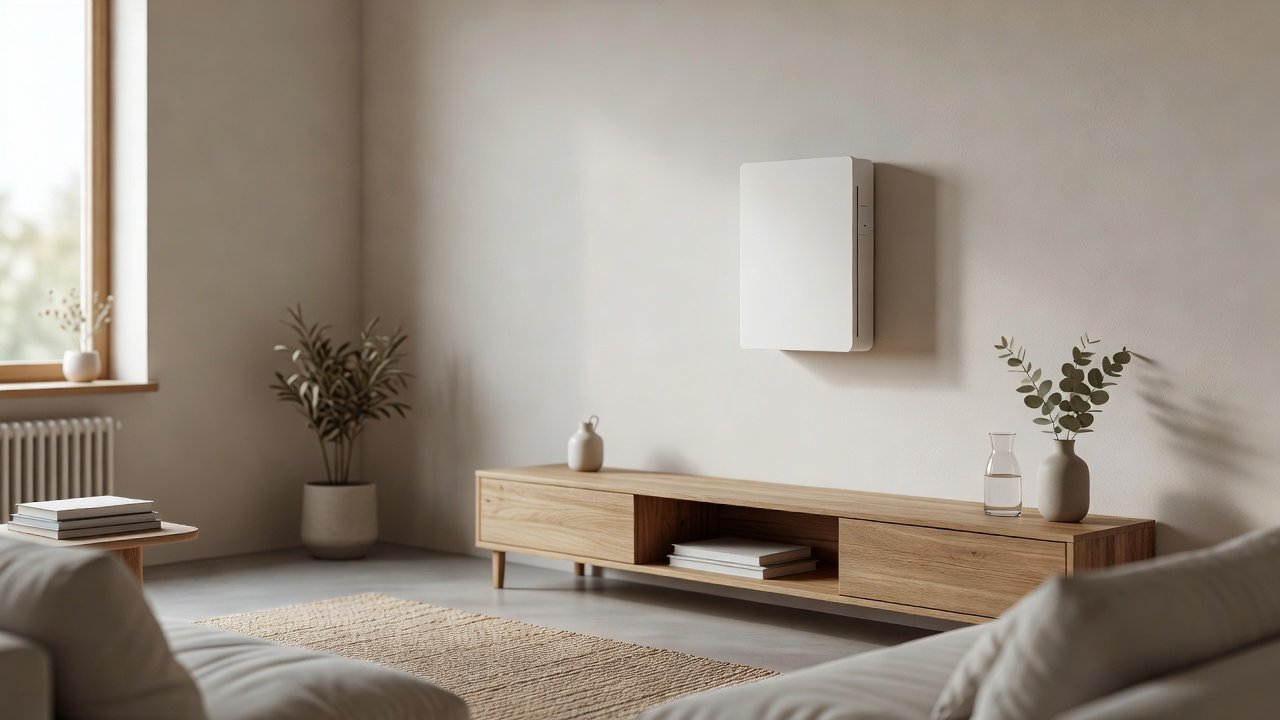
A wall-mounted air purifier frees the floor, keeps cords out of the way and can look tidy in a lobby, studio or small apartment. The trade-offs are installation, positioning and sometimes a lower CADR than a floor unit of the same price.
This guide explains how wall-mounted purifiers work, how to size them, how to install them safely and what to check before you buy. Choices come from our affiliate table, and guidance follows EPA and AHAM information, not our own lab tests.
Wall-mounted fits if
- Floor space is limited
- You can mount to studs or solid wall
- You can reach the outlet and the filter easily
Choose a floor unit if
- You rent and cannot drill
- You want maximum CADR for the money
- You prefer to move the unit between rooms
Key Takeaways
- Wall-mounted purifiers save floor space but need secure mounting and nearby outlets.
- Size by CADR just like floor units: about two-thirds of the floor area for 8 foot ceilings.
- Mount into studs or rated anchors and follow the maker’s instructions.
- Easy filter access determines whether you will maintain the unit.
- Vibration and noise can travel through the wall; look for isolation.
- Renters should check lease rules before drilling.
- Avoid ozone and ionizer modes, which the EPA advises against.
Choosing the Wall: Location Rules of Thumb
Pick a wall that has clear airflow in front of the unit and is away from the direct path of a ceiling fan or heating vent. Avoid walls next to a door that opens into the unit’s path, and avoid mounting directly behind a headboard or sofa. The best spot is usually on a wall with a view across the room, high enough that people and furniture do not block the intake, and low enough that you can reach the controls and filter door.
Consider where pollution enters. In a studio near a kitchen, mounting the unit on the wall between the kitchen and living area intercepts cooking particles. In an office, mounting near the door catches particles that blow in with visitors. Think about air paths, not only looks.
Wall-Mounted Units in Offices, Waiting Rooms and Shops
Small businesses use wall-mounted purifiers because they save floor space and look tidy. Sizing follows the same rule, but commercial spaces have higher occupancy and more door traffic, so aim for a larger margin. Check local building and fire rules, and ask the landlord before installation. A purifier supports ventilation and does not replace it. Keep a log of filter changes in a shared space so that maintenance does not depend on one person remembering.
For public-facing spaces, choose quiet units and avoid placing them at head height where airflow is felt directly. Document the cleaning schedule and assign a person to check the pre-filter weekly.
Testing Airflow After Installation
Once the unit is mounted and running, hold a tissue near the exhaust and the intake to confirm that air is moving as expected. Walk around the room to check for dead spots where air does not seem to circulate, such as behind tall furniture. If you notice poor airflow, move furniture, adjust the fan speed or consider a second unit in a far corner. Listen for rattles and vibration, and tighten the hardware if you hear any. Check again after a week, since screws can loosen as the unit runs.
Run the unit on its normal setting for a few days and watch the pre-filter. A visible layer of dust shows that the unit is capturing particles. If nothing appears after a month in a busy room, the airflow may be blocked or the unit may be too small.
Safety Checklist Before You Walk Away
- Unit is level and secure on the mounts
- Cord is not under tension or accessible to small children
- Clearance around intake and exhaust meets the manual
- Outlet is rated for the load and not shared with high-draw appliances
- Filters are installed correctly and the access panel closes fully
- Smoke and carbon monoxide alarms are working in the home
A short checklist like this takes five minutes and prevents most installation mistakes.
Top Picks: Air Purifiers for Large Rooms and Open Spaces
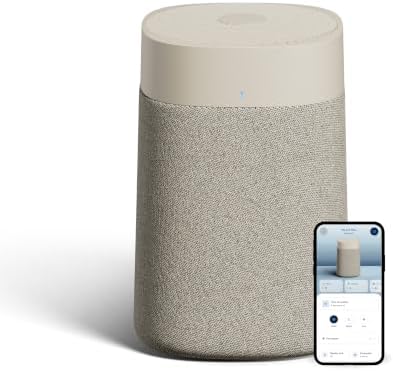
These options come from our affiliate table. Check the listing for the current CADR, filter type and replacement cost.





Installation Safety
Use the hardware that comes with the unit and mount into studs or proper anchors rated for the weight. Keep the cord safe and avoid running it through walls unless approved by a qualified electrician.
Height and Placement
Mount the unit at a height recommended by the maker, often at or above head height, with space around the intake and exhaust. Avoid mounting above a bed or sofa where noise may disturb you.
Filters and Access
Choose a design where you can reach the filters without removing the unit. Check the replacement cost and expected life. A mounted unit that is hard to open often goes unmaintained.
Noise and Power
Wall-mounted fans can transmit vibration into the wall. Look for rubber isolators and quiet operation. Check power use at the speed you will run.
How Wall-Mounted Units Work
Wall-mounted purifiers use the same basic technology as floor units: a fan pulls air through a pre-filter, a True HEPA filter and sometimes carbon, then returns clean air to the room. The difference is mounting, which fixes the unit at a set height and location.
Because air is drawn from and returned near the wall, check the manual for the clearance required around the unit.
Sizing and CADR
The two-thirds guideline still applies: CADR of about two-thirds of the floor area for 8 foot ceilings. Mounted units are often installed high on a wall, which can help distribute air but may reduce the benefit at breathing height.
| Room | Size | CADR target |
|---|---|---|
| Studio | 300 sq ft | 200 or more |
| Office | 400 sq ft | 265 or more |
| Large room | 600 sq ft | 400 or more |
A Worked Example: 450 Square Foot Studio
A 450 square foot studio apartment with an 8 foot ceiling and little floor space needs a CADR near 300. A wall-mounted unit placed on the wall opposite the seating area, a few feet from the corner, circulates air across the room. Because the unit is high on the wall, check that the exhaust is not blocked by tall furniture or curtains. A floor unit might offer more CADR for the same money, but would take space you do not have.
| Situation | Wall-mounted? | Reason |
|---|---|---|
| Small apartment, tight floor space | Good fit | Frees the floor |
| Rental, no drilling allowed | Poor fit | Needs mounting |
| Office or waiting room | Good fit | Tidy look |
| Home with pets and toddlers | Good fit | Cords out of reach |
Mounting Basics
- Find studs or use anchors rated for the unit’s weight
- Use a level and mark holes before drilling
- Check for pipes and wires behind the wall
- Leave the clearance the manual requires
- Keep the cord from hanging in a way that can be pulled
- Re-check the mount after a week
Cord and Outlet Planning
Plan the outlet before you mount. Do not use extension cords unless the maker allows it, and do not run cords through walls unless a qualified electrician has approved it. Hardwired units should be installed by a licensed professional. Use cord covers that are rated for the purpose if you need to hide wiring.
Vibration, Noise and Wall Type
Hollow drywall can amplify vibration from a fan. Check that the unit uses rubber isolators and tighten mounting hardware properly. If you hear a hum on a wall shared with a bedroom, move the unit to another wall. Brick or concrete walls transmit less vibration but need suitable anchors.
Filter Maintenance Without a Ladder
Mounted units are often high, so changing filters can be awkward. Choose a model with front-access filters and a handle. Keep a step stool nearby, and unplug the unit before opening it. Mark filter-change dates on a calendar so maintenance does not slip.
Renting, Landlords and Alternatives
Many leases forbid drilling. If you rent, ask your landlord, or consider a slim floor tower, a shelf-mounted unit or a purifier that sits on a console. These give similar benefits without making holes.
Mounted Versus Floor Units: Cost and Performance
Wall-mounted units sometimes cost more per CADR because of design and installation. If you have space and no wish to drill, a floor unit may deliver more airflow for the money. Compare the cost of the unit, mounting hardware, installation and filters over three years.
How to Choose
- Measure the room and find the CADR target
- Check the mounting method and wall type
- Confirm filter access and replacement cost
- Check noise and vibration
- Plan the outlet and cord path
Do
- Match the unit’s rated coverage to your room first
- Run it consistently, not only when the air feels bad
- Leave space around the unit for airflow
- Replace filters on the maker’s schedule
Don’t
- Do not buy on looks or price alone
- Do not block the intake or exhaust
- Do not skip filter changes
- Do not expect a purifier to fix every source of pollution
Honest Limits
- This guide uses manufacturer information and public guidance from the EPA and AHAM, not our own lab tests.
- Features and room ratings change between model years, so confirm on the listing before you buy.
- A purifier is not a medical device and does not replace medical advice or treatment.
Who Should Skip This
Skip wall-mounted units if you rent and cannot drill, or if you need to move the unit between rooms.
Skip ionizer and ozone modes; the EPA advises against ozone-generating devices.
When to See a Professional
Have a qualified electrician handle any hardwiring or in-wall cable work.
If you have asthma or allergies, talk to your doctor about a plan. A purifier supports it but does not replace treatment.
Frequently Asked Questions
Are wall-mounted purifiers effective?
Yes, if the CADR fits the room and airflow is not blocked. Mounting does not change the filtration principle.
What CADR do I need?
About two-thirds of the floor area for 8 foot ceilings. For 450 square feet, aim for about 300.
How high should I mount it?
Follow the maker’s guidance, often at or above head height, with clearance around intake and exhaust.
Can I install it myself?
Many people can with the supplied hardware, but hire a professional if you are unsure, especially for hardwiring.
Do wall-mounted units cost more?
They can cost more per CADR. Compare total cost including installation and filters.
How do I change the filter?
Unplug the unit, open the access panel and replace the filter per the manual. Choose a model with easy access.
Will it be noisy?
Fan noise is similar to floor units. Check for vibration and use isolators if needed.
Can renters use them?
Only if the lease allows drilling. Otherwise consider a floor tower or shelf unit.
Do I still need ventilation?
Yes. A purifier recirculates indoor air and does not bring fresh air in.
Are ionizer modes safe?
Some produce ozone, which the EPA advises against.
Bottom Line
A wall-mounted air purifier makes sense where floor space is tight and you can mount it securely.
Size by CADR, confirm easy filter access and install carefully.
Related reading: port,lw,fan
Sources: EPA, Guide to Air Cleaners in the Home; AHAM Verifide.