Last updated:
Disclosure: As an Amazon Associate we earn from qualifying purchases. This does not change what we recommend. See our affiliate disclaimer.
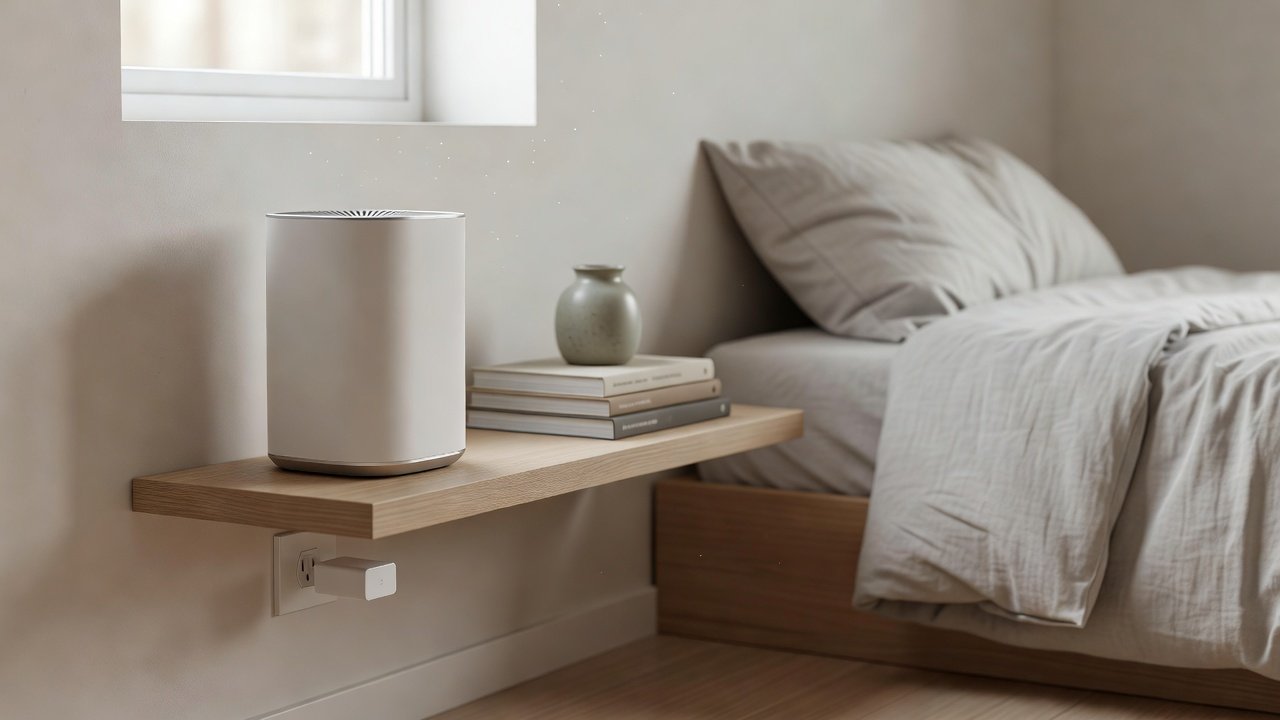
Wall plug-in air purifiers are tiny devices that sit in an outlet and promise to clean the air in a room. They are cheap and convenient, but they have almost no airflow, so they can only affect a very small volume of air.
Most plug-in models use ionization or a small electronic cleaner rather than a true HEPA filter. The EPA warns that ionizers and some electronic air cleaners can produce ozone, which is a lung irritant.
This guide explains how plug-in purifiers work, what they can realistically do, why they are not a substitute for a filter-based unit and which compact HEPA models to consider. Recommendations follow EPA guidance and manufacturer information, not our own tests.
Plug-ins may suit
- A very small closet or bathroom
- Anyone who wants a minimal device
- People who accept limited effect
Be careful about
- Ozone from ionizers
- No true HEPA filter in most models
- Marketing claims about viruses and allergens
- Heat and electrical safety
Key Takeaways
- Wall plug-in purifiers are small and move little air, so they suit a closet, bathroom or tiny space rather than a living room.
- Many plug-ins use ionization or other electronic methods; some produce ozone, which the EPA advises against.
- A compact true HEPA purifier is the safer, better-documented alternative for small rooms.
- Check the maker’s statements on ozone emissions and look for independent certification if you consider an electronic unit.
- Cords, outlets and placement matter for safety; do not overload outlets or cover the unit.
- For odors, find the source and use ventilation; scented plug-ins add chemicals rather than remove them.
- Match any purifier to your room by CADR or the maker’s stated coverage.
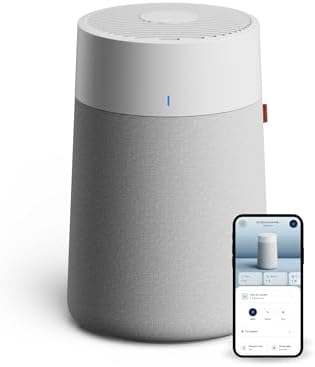
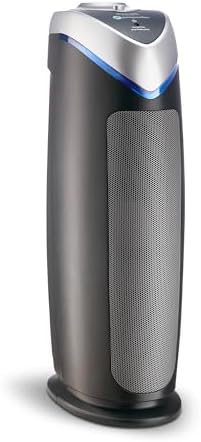
Top Picks: Compact HEPA Alternatives
Six compact filter-based purifiers for small rooms. Check each listing for rated room size and filter costs.




How Plug-In Purifiers Work
Most plug-in models emit negative ions that attach to particles so they settle out of the air. A few use small fans and tiny filters. They have no or very little airflow compared with a regular purifier.
Particles that settle are not removed from the room. They land on surfaces and can be stirred up again.
The Ozone and By-Product Concern
The EPA notes that ionizers can generate ozone and that some electronic cleaners produce it as a by-product. Ozone can irritate the lungs and worsen asthma.
If you consider an electronic cleaner, check for independent certification of low ozone emissions.
Plug-In vs Compact HEPA Purifier
| Factor | Plug-in | Compact HEPA purifier |
|---|---|---|
| Airflow | Very low | Moderate |
| Filter | Often none | True HEPA-type |
| Ozone risk | Possible with ionizers | None from the filter |
| Coverage | Tiny spaces at best | Rated small rooms |
| Verification | Rare | Common |
| Cost | Low | Moderate |
What Plug-Ins Can Do
In a very small space, a plug-in with a fan and a filter may reduce some particles slowly. Do not expect it to clean a bedroom.
Be cautious about claims that a plug-in removes viruses, allergens or odors from a whole room.
Choosing a Compact Alternative
A compact true HEPA purifier is a better value for a bedroom or small room. Check the maker\u2019s rated room size and choose a quiet low setting.
AHAM suggests a clean air delivery rate of about two-thirds of the floor area, so match the rating to your room.
Electrical Safety
Do not cover or block any plug-in device and follow the maker\u2019s instructions. Avoid using multiple devices in one outlet, and check for signs of heat or damage.
Odors in Small Spaces
For small spaces such as a closet or bathroom, source control and ventilation work best. A carbon-based sachet or a small fan can help more than a plug-in ionizer.
Other Steps for Better Air
- Vacuum with a HEPA vacuum
- Wash bedding regularly
- Ventilate when outdoor air is good
- Keep humidity moderate
- Replace HVAC filters on schedule
Why Plug-In Purifiers Are Popular
A unit that plugs straight into a wall outlet takes no floor or desk space, has no cord to trip over and is cheap. That is a strong pitch for a rental apartment, a hallway, a bathroom or a nursery. The question is what you actually get for that convenience.
Most plug-ins have tiny fans, if any, and rely on passive airflow or an electronic effect to act on the air. That limits how much air they can process, which is the core factor in cleaning a room.
Understanding Airflow Limits
A purifier cleans only the air that moves through it. A bedroom unit with a CADR of 100 moves roughly 100 cubic feet of cleaned air per minute. A plug-in with little or no fan moves far less. In a small closet, that may be enough. In a bedroom, it will not do much.
This is why CADR matters. If a plug-in lists no CADR and makes broad claims about covering rooms, treat the claim with caution.
Electronic Technologies Compared
| Technology | How it works | Main concern |
|---|---|---|
| Ionizer | Charges particles so they settle | May produce ozone, particles settle rather than leave |
| Electrostatic | Charges plates that attract particles | Cleaning needed, possible ozone |
| Photocatalytic or UV | Light acts on gases or germs | Claims vary, possible by-products |
| Scented plug-ins | Release fragrance | Adds chemicals, does not clean |
The EPA notes that some electronic air cleaners emit ozone, a lung irritant, and advises against devices that deliberately produce it. If you consider an electronic plug-in, look for products certified to emit very little ozone, and read the maker’s statement.
A Safer Pattern for Small Spaces
If your space is small, a compact true HEPA purifier is the better-documented approach. It moves air through a filter that has a standard rating, and you can see its CADR. Many compact units are quiet and cost little more than a premium plug-in.
Place it on a shelf or small table in the room, or choose one designed for bedside use. Run it on low and replace the filter on schedule.
Using Plug-Ins Safely
- Plug directly into a wall outlet, not into a power strip, if the maker says so
- Do not cover the unit or place curtains over it
- Avoid overloading outlets
- Check for heat, buzzing or burning smells, and stop using the unit if you notice any
- Keep away from water in bathrooms unless rated for it
- Keep children and pets from pulling at the unit
Odors: Why Scent Does Not Equal Clean
Plug-in fresheners release fragrance to mask smells. They do not remove the cause, and fragrance can irritate sensitive noses and airways. For odors, find the source, clean it, ventilate and use a purifier with real carbon in a size that suits the room.
Where a Plug-In Might Make Sense
A plug-in may be reasonable in a closet, entry or bathroom where you want a mild effect, and where you understand its limits. If you choose one, pick a model with clear ozone information and treat it as a supplement, not a substitute for a real purifier.
A Short Buying Checklist
- Does the maker give CADR or a clear coverage claim?
- Is there an ozone statement or independent certification?
- Does it use a true HEPA filter, or electronic cleaning only?
- What does the maker say about cleaning and maintenance?
- Is there a warranty and a return policy?
How to Choose
- Decide the room you want to clean.
- Choose a compact HEPA unit rated for it.
- Avoid ionizers and ozone-producing devices.
- Check noise on the lowest setting.
- Compare filter prices.
- Place it with clear airflow.
Do
- Match the unit’s rated coverage to your room first
- Run it consistently, not only when the air feels bad
- Leave space around the unit for airflow
- Replace filters on the maker’s schedule
Don’t
- Do not buy on looks or price alone
- Do not block the intake or exhaust
- Do not skip filter changes
- Do not expect a purifier to fix every source of pollution
Honest Limits
- This guide uses manufacturer information and public guidance from the EPA and AHAM, not our own lab tests.
- Features and room ratings change between model years, so confirm on the listing before you buy.
- A purifier is not a medical device and does not replace medical advice or treatment.
Who Should Skip This
Skip plug-in units that produce ozone deliberately, or that cannot tell you how much they emit. The EPA advises against them.
Skip plug-ins as your main purifier for a bedroom or living room. They do not move enough air.
When to See a Professional
If you have asthma or breathing sensitivity, ask your doctor before using any electronic air cleaner or fragrance product.
If a plug-in unit smells like burning, buzzes loudly or feels hot, stop using it and consult the maker or an electrician.
Frequently Asked Questions
Do wall plug-in air purifiers work?
Their effect is usually small because they move little air. They may suit a tiny space such as a closet, but they are not a substitute for a purifier with a real fan and a true HEPA filter in a bedroom or living room.
Are plug-in air purifiers safe?
It depends on the technology. Some electronic types can emit ozone, which the EPA advises against. Look for clear ozone information or certification, follow the manual for electrical safety and stop using any unit that overheats.
What is the difference between a plug-in purifier and a plug-in freshener?
A purifier tries to remove particles or gases from the air. A freshener releases fragrance to mask odors. Fresheners do not clean the air and can irritate sensitive airways.
Can a plug-in replace a HEPA purifier?
Not for particle removal. A true HEPA purifier moves much more air through a standard-rated filter. A plug-in can only act on a small volume of air and often relies on less proven technology.
Do plug-in purifiers remove odors?
Some claim to, but results vary and often depend on the technology. For real odor control, find the source, ventilate and use a purifier with a meaningful carbon layer.
What should I use in a small bathroom?
Start with ventilation and an exhaust fan. If you want a purifier, a small filter-based unit placed safely away from water can help, or a dedicated plug-in rated for bathrooms if the maker supports it.
Are ionizer plug-ins good for allergies?
Evidence is limited. Ionizers can make particles settle rather than remove them, and some produce ozone. A HEPA purifier is the better-documented approach, and your doctor can advise on allergy care.
Can I plug one into a power strip?
Check the manual. Many makers advise plugging directly into a wall outlet, and overloading a strip can be a hazard. Never cover the unit or plug several heat-producing devices into the same strip.
How do I know if a plug-in produces ozone?
Look for the maker’s statement and any third-party certification. If the product does not discuss ozone, be cautious. The EPA advises against devices that deliberately produce it.
What should I buy instead of a plug-in?
A compact true HEPA purifier sized for your room, with a quiet low setting and affordable filters. Check CADR and the maker’s coverage claim, and replace the filter on schedule.
Bottom Line
Plug-in purifiers are cheap but limited. A compact true HEPA unit with real airflow is a better investment and avoids ozone worries.
Choose a unit rated for your room and keep filters fresh.
Related reading: port,sens,bed
Sources: EPA, Guide to Air Cleaners in the Home; AHAM Verifide.