Last updated:
Disclosure: As an Amazon Associate we earn from qualifying purchases. This does not change what we recommend. See our affiliate disclaimer.
Wearable air purifiers hang around your neck or clip to clothing and promise a bubble of clean air around your face. The idea is appealing for commutes, travel and busy public places, but the technology behind most of these devices raises questions, and independent evidence that they reduce what you actually breathe is limited.
This guide explains how wearables work, what claims to treat with caution, how they differ from respirators and room purifiers, and what practical steps give better protection. Our guidance follows EPA and public health information and is not based on our own lab testing. Choices come from our affiliate table, which lists filter-based room units for use at home.
Think twice about wearables if
- The device relies on ions with no filter
- The maker gives no test data
- You expect protection like a respirator
What works better
- A fitted respirator-type mask when needed
- A True HEPA purifier at home or desk
- Avoiding the pollution source
Key Takeaways
- Most wearable purifiers use ionizers; independent evidence that they reduce what you breathe is limited.
- Some ionizers emit ozone, and a device near your face brings it close to your airways.
- Wearables do not seal to your face and are not respirators.
- A fitted respirator-type mask is the better-supported option for smoke and heavy pollution outdoors.
- A True HEPA purifier near you at home or at a desk gives more reliable benefits.
- Check ozone documentation, independent test data and return policy before buying.
- Avoid ozone and ionizer modes, which the EPA advises against.
How to Evaluate Any Personal Air Product
When a product claims to protect you personally, ask five questions. What exactly does it do to the air you breathe? Is there independent test data, and under what conditions? Does it produce ozone or other byproducts? How does it compare with a fitted respirator-type mask or a room purifier you already know? What happens if it does not work for you: is there a return policy? If the maker cannot answer these questions plainly, you do not have enough information to rely on the product.
Remember also that comfort and convenience matter. A mask you will actually wear is better than one that sits in a drawer, and a purifier you can run quietly all night is better than one you switch off. Choose the tools that fit your life and that have the strongest evidence behind them.
What Public Health Guidance Emphasizes
Public health agencies focus on reducing exposure at the source and using proven tools. During poor air quality events, they advise staying indoors with windows closed, using a clean room with filtration, avoiding strenuous outdoor activity and using appropriate masks if you must go outside. For indoor air, they advise controlling sources, ventilating and using air cleaners that do not produce ozone. Personal gadgets are rarely part of that guidance, which is a sign to look at the basics first.
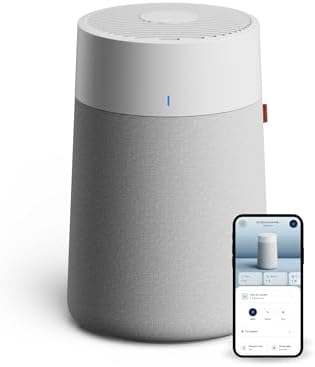
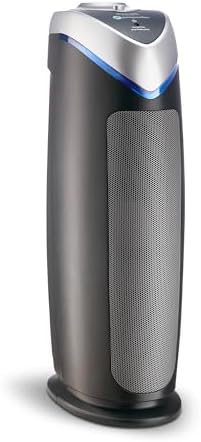
Top Picks: Compact Air Purifiers for Small Rooms
These filter-based options come from our affiliate table. Check the listing for the current CADR, filter type and replacement cost.




Ozone Concerns
Some ionizers emit ozone, which can irritate the lungs, and the EPA advises against ozone-generating air cleaners. A device worn near your face brings any ozone close to your nose and mouth, which makes the concern stronger.
Wearables Versus Respirators
A fitted respirator-type mask filters air you breathe through the mask material, and its performance depends on fit and filter rating. A wearable purifier does not seal to your face and does not filter the air you inhale in the same way. They are not interchangeable.
| Option | How it works | Protection |
|---|---|---|
| Fitted respirator mask | Filters air through the mask | Depends on rating and fit |
| Wearable ionizer | Charges particles near you | Limited and uncertain |
| Room purifier with HEPA | Filters room air | Good for the room |
Better Options for Commuting and Travel
In vehicles, use recirculation mode and keep the cabin air filter fresh. For smoke or heavy pollution, a fitted respirator-type mask is more reliable. In hotel rooms, a compact True HEPA purifier near the bed helps with sleep.
If You Still Want One
Choose a model that documents ozone emissions, provides independent test data and has a clear return policy. Use it as a supplement, not as protection from hazardous exposures. Avoid products that make medical claims.
Budget and Value
Wearables are inexpensive compared with room units, but if they do little, the money is wasted. Putting the same budget toward a True HEPA purifier for your bedroom or desk provides a more reliable benefit.
Practical Habits That Help
Choose less polluted routes, avoid busy roads during rush hours, keep car windows closed in heavy traffic and ventilate your home when outdoor air is good. Check local air quality reports and adjust your plans.
How Wearable Purifiers Work
Most wearables use an ionizer that emits negatively charged ions, intended to cause particles near your face to clump and fall away. A few include small fans or tiny filters. They are battery powered and light, which limits airflow.
Because they do not pull air through a substantial filter, their effect on the air you breathe is much less certain than a filter-based unit.
What Evidence Exists
Independent testing of wearable ionizers has shown limited and inconsistent reductions in particles near the breathing zone, and some have been found to produce ozone. Manufacturer claims often rely on in-house tests under favorable conditions. Treat bold health claims with skepticism.
A Worked Example: A Daily Commute in a Polluted City
You commute for forty minutes each way on a busy road and wonder whether a wearable will help. A better plan is to look at the sources: use recirculation in your car, replace the cabin air filter, choose less congested routes if possible and wear a well-fitted respirator-type mask on days when air quality is poor and you must walk or bike. At home, run a True HEPA purifier in the bedroom. At your desk, a small True HEPA purifier a few feet from you can help. These measures cover the exposure more reliably than a pendant.
| Situation | Better choice | Why |
|---|---|---|
| Car commute | Recirculate, fresh cabin filter | Cuts incoming particles |
| Walking in smoke | Fitted respirator-type mask | Filters air you breathe |
| Office desk | Small True HEPA unit nearby | Filters room air |
| Night at home | Bedroom purifier | Long exposure time |
Why Ions Are Uncertain
Ions can attach to particles and make them stick to surfaces, but the particles do not disappear; they land on skin, clothing and furniture, or remain in the air. In a small space around your face, the effect depends on air movement and the number of ions, and indoor air is rarely still. That is part of why testing has shown inconsistent results.
Reading the Marketing
Be careful with claims such as kills germs, removes 99 percent of particles or creates a bubble of clean air. Look for independent test data and details about the test conditions. Statements that mix filtration, ionization and sterilization without evidence are red flags. Review the return policy in case the device bothers you.
Masks: Choosing and Fitting
Public health agencies describe how different masks work and how to fit them. Respirator-type masks with proper certification can reduce particle inhalation when they fit well. Facial hair and gaps reduce effectiveness. For wildfire smoke, check official guidance on respirator types and how to fit them.
Travel Tips
On planes and trains, you cannot control the air system, but you can choose to wear a mask when appropriate and bring your own hydration and snacks to avoid crowded areas. In hotels, ask for a non-smoking room, keep windows closed in smoke or pollution and use a compact True HEPA purifier near the bed if you travel often.
Children, Asthma and Wearables
Do not rely on a wearable to protect a child or someone with asthma. Talk with a clinician about a plan that fits your needs, including medications, avoiding triggers and when to stay indoors. If a wearable causes irritation, stop using it.
How to Choose
- Decide whether you need personal protection or room cleaning
- Choose a respirator-type mask for smoke or heavy pollution
- Choose True HEPA for rooms
- Avoid ionizer and ozone modes
- Check independent test data and return policy
Do
- Match the unit’s rated coverage to your room first
- Run it consistently, not only when the air feels bad
- Leave space around the unit for airflow
- Replace filters on the maker’s schedule
Don’t
- Do not buy on looks or price alone
- Do not block the intake or exhaust
- Do not skip filter changes
- Do not expect a purifier to fix every source of pollution
Honest Limits
- This guide uses manufacturer information and public guidance from the EPA and AHAM, not our own lab tests.
- Features and room ratings change between model years, so confirm on the listing before you buy.
- A purifier is not a medical device and does not replace medical advice or treatment.
Who Should Skip This
Skip wearables that make medical claims or provide no ozone documentation.
Skip ozone generators and ionizers; the EPA advises against ozone-generating devices.
When to See a Professional
If you have asthma or other conditions that air pollution can worsen, talk to your doctor about a plan.
If you notice throat irritation, cough or a sharp smell from a device, stop using it and seek advice if symptoms persist.
Frequently Asked Questions
Do wearable air purifiers work?
Independent evidence is limited and inconsistent. Many use ionizers that may not reduce what you breathe.
Do wearables produce ozone?
Some do. The EPA advises against ozone-generating air cleaners.
Are wearables the same as masks?
No. They do not seal to your face or filter the air you inhale like a respirator-type mask.
What is better for smoke outdoors?
A well-fitted respirator-type mask, along with official air quality guidance.
What helps in a car?
Recirculation mode and a fresh cabin air filter.
Is a small desk purifier better?
A True HEPA unit near you can reduce room particles. Check CADR and noise.
Can I use a wearable on a plane?
You can, but benefits are uncertain. A well-fitted mask is a better-supported choice when appropriate.
Are wearables safe for kids?
Avoid relying on them. Talk with a clinician and avoid ozone-emitting devices.
How do I know if a wearable emits ozone?
Check documentation and independent tests. A sharp smell is a warning sign.
Is it worth the money?
If you want a supplement and the maker documents low ozone, maybe. Otherwise spend on a True HEPA unit.
Bottom Line
Wearable air purifiers have limited independent evidence and some can emit ozone. A fitted mask outdoors and a True HEPA purifier at home are better-supported choices.
If you buy one, treat it as a supplement and watch for irritation.
Related reading: port,bed,fan
Sources: EPA, Guide to Air Cleaners in the Home; AHAM Verifide.