Last updated:
Disclosure: As an Amazon Associate we earn from qualifying purchases. This does not change what we recommend. See our affiliate disclaimer.
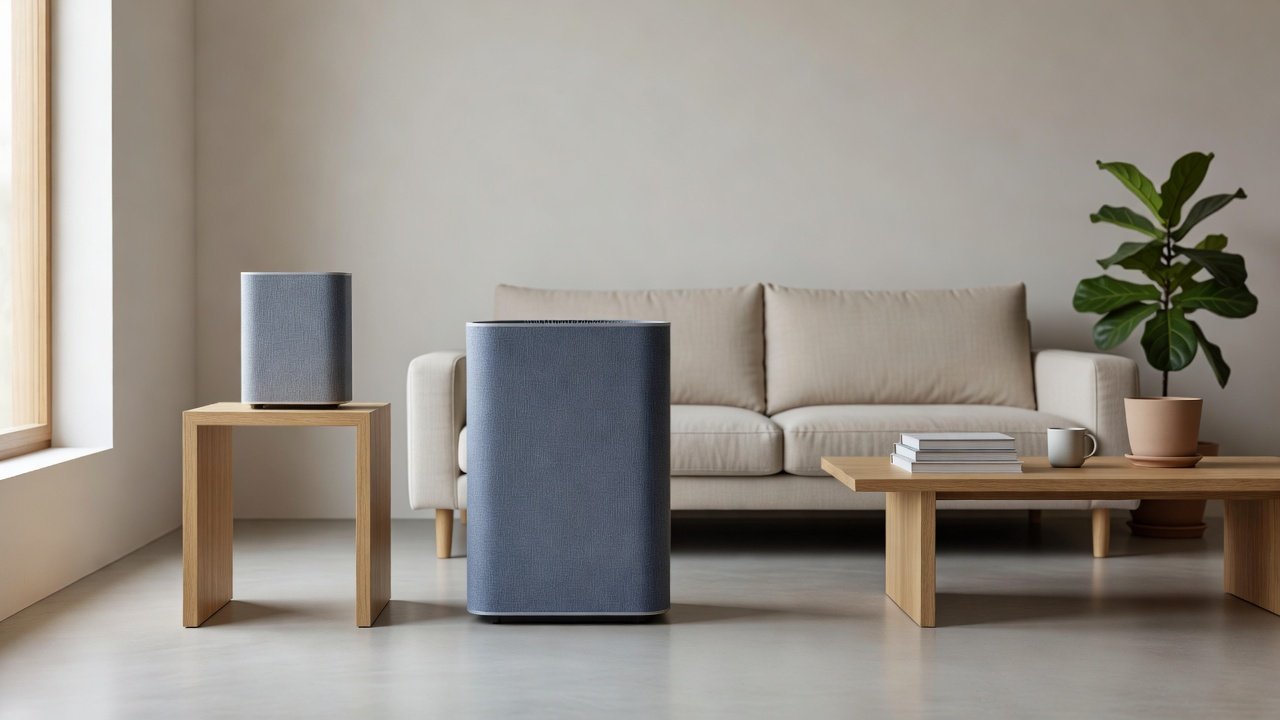
The Blueair Blue Pure 411 and Blue Pure 121 are two models from the same family that are often compared because they look related but are aimed at different room sizes. In general terms, the 411 is a compact unit designed for small spaces such as a small bedroom, nursery or desk area, while the 121 is a larger unit designed for bigger rooms. Both rely on Blueair’s approach of quiet, steady filtration with a simple design and a washable fabric pre-filter that can be changed to suit your decor.
Which is right for you depends mainly on room size and how you plan to use the unit. This guide walks through the differences in general terms and gives you a way to choose. We have not tested these products ourselves, and specifications can change between versions, so confirm the current CADR, room size rating, filter type and noise figures on the product page before buying.
The 411 may suit you if
- Your room is small
- You want a compact, light unit
- You want a desk or nightstand purifier
The 121 may suit you if
- Your room is mid-size or larger
- You want more capacity on a quiet setting
- You have room for a larger unit
Key Takeaways
- The 411 targets small rooms; the 121 targets larger ones.
- Match smoke CADR to your room and add margin.
- The larger unit can run on a lower, quieter speed in the same room.
- Compare filter price and interval for each.
- Leave clearance around either unit.
- Confirm current specs on the product page since models change.
- Avoid ozone or ionizer modes; the EPA advises against ozone-emitting air cleaners.
What Else to Compare Before You Buy
Beyond size, compare the things that shape daily life with the unit. Look at the noise figure at the lowest and highest speeds, the number of speed settings, whether there is a night mode, how bright the indicator light is and how easy it is to open the unit and change the filter. Check the warranty and the return window. Look at the cord length, the weight of the unit and whether you can move it easily when cleaning the room.
Also think about how your needs may change. If you might move to a larger home, a bigger unit gives you flexibility. If you may want to use the unit in different rooms, the compact unit is easier to carry. A short list of these practical points often settles a close decision better than another look at the spec sheet.
When One Unit Is Not Enough
If you have several rooms to clean, consider one unit per main room rather than moving a single unit around. Prioritize the bedroom, where you spend the longest unbroken stretch of time, then the room where you spend most of your day. Using a compact unit in a small room and a larger unit in a bigger room is a common and sensible mix. Keep the filters on a shared schedule so you can replace them together and avoid forgetting one.
Small-Room Air Purifiers to Compare
The table below lists purifiers for smaller rooms from our affiliate partner. Compare CADR, room size ratings and filter details, then confirm the current specifications on the product page.
Filters, Upkeep and Costs
Both models use replaceable filters with a pre-filter. Check the type of main filter, the recommended replacement interval and the price of replacements, and consider that the larger unit may use a larger and more expensive filter. The fabric pre-filter helps catch large particles and can be washed or replaced according to the manual. Following the maker’s schedule keeps the unit performing at its rated level.
Estimate the yearly cost by multiplying the filter price by the number of replacements per year and adding electricity. Since both units run on small amounts of power at low speed, filters are normally the larger running cost. Keep spare filters on hand and set a reminder.
Quick Comparison
The table below summarizes the general differences. Confirm figures on the product pages.
| Factor | Blue Pure 411 | Blue Pure 121 |
|---|---|---|
| Room size | Small rooms | Medium to larger rooms |
| Footprint | Compact | Larger |
| Noise on low speed | Quiet | Quiet, more capacity |
| Filter cost | Lower, smaller filter | Higher, larger filter |
| Best for | Desks, nurseries, small bedrooms | Bedrooms, living areas |
The Core Difference: Size and Capacity
The main difference is capacity. The smaller 411 is rated for small rooms, while the 121 is rated for larger ones. A smaller room rating means the unit moves less air, which is fine in a compact bedroom or office but may leave a larger room cleaned slowly. The larger 121 moves more air, so it can cover a bigger area or clean a smaller area faster and more quietly.
Check the current CADR and room size rating for each model, since manufacturers update specifications. Apply the two-thirds rule: smoke CADR should be about two-thirds of the floor area for rooms with 8 foot ceilings. If the 411 is close to the minimum for your room, the 121 will give you more margin to run at a low, quiet speed.
Design, Controls and Placement
Both units share a minimalist look, with simple controls and a fabric pre-filter around the outside. The 411 is compact enough to sit on a desk, a table or a nightstand, while the 121 is a floor or table unit that needs more space. Both need clearance around them so that air can enter and leave freely. Leave space from walls and curtains and avoid hiding the unit behind furniture.
Think about where you will put the unit and how visible it will be. If you want something unobtrusive in a small bedroom, the 411 fits easily. If you want a unit that stands in a living room or large bedroom, the 121 is more suitable. The simple controls on both mean you do not need to learn a complicated interface.
Choosing by Room Type
For a nursery or a small bedroom, check the floor area and compare it with the stated room rating. If the room is small and the ceilings are standard, the compact unit can be enough, and you can run it on a low speed for quiet nights. For a larger master bedroom, the bigger unit is the safer choice, since it can clean the air with less noise. For a living room, the bigger unit is usually necessary, and an open plan space may need more than either.
For a desk or home office, the compact unit placed within a few feet of you is a practical choice. For a child’s room, choose a unit that is stable, keep cords out of reach and follow the manual for placement. Whatever the room, keep doors closed while the unit runs so that it cleans the room you care about.
Placement and Airflow Tips
Put the unit where air can flow into and out of it freely. Avoid corners and tight gaps, leave a space on all sides as the manual advises and keep it away from curtains and bedding. Raising a small unit onto a table or nightstand can help air reach it. Make sure the air leaving the unit does not blow directly on a sleeping person, which can feel uncomfortable. Check that the cord is safely routed and that the unit is on a stable surface.
Maintaining the Filters
Check the pre-filter regularly and clean or replace it as the manual advises. Replace the main filter on schedule or earlier if you notice weaker airflow or the filter looks heavily loaded, as can happen in smoky, dusty or pet-heavy homes. Keep a spare filter and write the install date on the filter or in a calendar. Avoid washing the main filter unless the maker says it is washable.
Using the Unit Day to Day
Run the unit on a low or medium speed for continuous cleaning and use high speed for short periods when you cook, clean or have guests. Many people run the purifier continuously in the bedroom and move it only when needed. If you hear a change in the sound of the fan, check the filter and the intake. If you smell a burning odor, switch it off and contact the maker.
Final Guidance
If your room is small and you want compact and quiet, the 411 is a sensible fit. If your room is larger or you want to run quietly with extra capacity, choose the 121. If you are close to the limit, choose the larger one. Compare current specs and prices on the product page and buy from a seller with a fair return policy.
How to Choose
- Measure your room and match smoke CADR to it.
- Choose the larger unit if you are near the limit of the smaller one.
- Check noise at the lowest speed.
- Compare filter prices and intervals.
- Avoid ozone generating or ionizer modes; the EPA advises against ozone-emitting air cleaners.
Do
- Match the unit’s rated coverage to your room first
- Run it consistently, not only when the air feels bad
- Leave space around the unit for airflow
- Replace filters on the maker’s schedule
Don’t
- Do not buy on looks or price alone
- Do not block the intake or exhaust
- Do not skip filter changes
- Do not expect a purifier to fix every source of pollution
Honest Limits
- This guide uses manufacturer information and public guidance from the EPA and AHAM, not our own lab tests.
- Features and room ratings change between model years, so confirm on the listing before you buy.
- A purifier is not a medical device and does not replace medical advice or treatment.
Who Should Skip This
Skip a unit that is clearly too small for your room, however convenient it looks.
Skip ozone generators and ionizers that emit ozone; the EPA advises against them.
When to See a Professional
If you have asthma or allergies, a purifier supports but does not replace the plan your doctor gives you.
If a unit smells of burning or sparks, stop using it and contact the maker.
Frequently Asked Questions
What is the main difference between the 411 and the 121?
The 411 is aimed at small rooms; the 121 at larger rooms with more capacity.
Which is quieter?
Both are designed for quiet running, but the larger unit can run on a lower speed in the same room.
Can the 411 handle a bedroom?
If the room is small enough for its rating, yes. Check the current specs.
Do both use replaceable filters?
Yes. Confirm the filter type and interval on the product page.
Can I change the pre-filter?
Blueair offers interchangeable pre-filters; check the product page.
How do I size the unit?
Match smoke CADR to roughly two-thirds of the floor area for 8 foot ceilings and add margin.
Where should I put it?
Leave clearance around it and keep it away from walls and curtains.
How often do filters need replacing?
Follow the maker, often every 6 months, sooner in dusty or smoky homes.
Is the larger unit worth it?
If your room is near the limit of the smaller one, yes.
Are ionizer modes safe?
Some produce ozone, which the EPA advises against.
Bottom Line
The 411 is a compact choice for small rooms and desks, while the 121 suits larger rooms and gives more margin for quiet running.
Match the model to your room size first, then compare filters and upkeep.
Related reading: sens,fan,bed
Sources: EPA, Guide to Air Cleaners in the Home; AHAM Verifide.