Last updated:
Disclosure: As an Amazon Associate we earn from qualifying purchases. This does not change what we recommend. See our affiliate disclaimer.
Many air purifiers are designed to run continuously, and running one all day is common. The real questions are about wear, filter life, energy use, noise and safety: is it fine to leave it on 24/7, does it wear out sooner, and what should you do about ozone and ionizer features? The answers depend on the model and the room.
We have not tested these products ourselves, so follow your manual. Do not run a unit that smells burnt, overheats or has damaged parts. The EPA advises against ozone-emitting air cleaners, so avoid units that rely on ozone.
Usually fine
- Running continuously on low
- Auto mode
- Following the manual
Watch for
- Overheating
- Loaded filters
- Ozone-emitting models
Key Takeaways
- Most purifiers are designed for continuous use
- More running time means faster filter loading
- Avoid ozone-emitting models
- Stop if the unit overheats or smells burnt
Running Time and Room Conditions
How long to run a purifier depends on how quickly the room refills with particles. In a closed room with few sources, a lower speed may be enough. With pets, cooking, open windows or smoke, run it longer or faster. Check the display or an air quality monitor if you have one. Adjust to your needs rather than a fixed rule.
Energy Saving Tips
Use auto or a low speed, run the unit when you are home, keep filters clean for efficient airflow and choose a model with a good efficiency rating. Avoid running in rooms that are open to the whole house. Keeping doors closed helps a purifier work with less effort.
When Running Less Makes Sense
If the air is very clean, the room is unoccupied or you are away on holiday, you can switch the unit off or use a timer. Cover or store the unit if you will be away long, and check filters on return. Running it while you sleep or when people are home is often most useful.
Replacing Parts and Planning Costs
Continuous use means regular filter costs. Plan an annual budget for filters, check filter prices before buying and keep spares. If filters are costly, compare models. A slightly more expensive unit with cheaper filters may cost less over time.
Signs You May Be Running It Wrong
Constant high speed with little change in air quality may mean the unit is too small or the filter is loaded. A unit that runs hot, smells hot or is loud at every speed needs checking. A display showing poor air quality all the time may signal a dusty sensor or a real source of particles. Adjust the speed, check the filter and sensor and look for sources before assuming the unit is failing.
Filter Replacement Frequency With Heavy Use
If you run the unit all day in a dusty or smoky home, replace filters sooner than the typical schedule. Check the pre-filter every few weeks and the main filter monthly for the first few months to learn your pace. A filter that is heavily dark, smells or has reduced airflow is spent. Keep spares ready so you can replace it right away.
Do Different Types Behave Differently?
HEPA filter units, carbon filter units and electronic or ionizer units differ in wear and upkeep. HEPA and carbon units need filter changes, while electronic units need cleaning of plates and may produce ozone. For continuous use, filter-based units are usually the simplest to maintain and avoid ozone concerns. Check your type in the manual and follow its guidance.
A Sensible Everyday Routine
Run the unit on low or auto when you are home, increase the speed when cooking or cleaning and use a timer if you want to limit hours. Keep doors closed to the room, maintain the filters and review how the unit performs each season. This keeps air cleaner without wasting energy or wearing the unit unnecessarily.
Overnight Use and Bedroom Considerations
Many people run a purifier in the bedroom overnight. Choose a unit with a quiet low speed and a dimmable display, and place it a few feet from the bed with clear airflow. A unit sized for the room can run on a lower speed, which is quieter and gentler on filters. Make sure the cord is out of the way and the unit sits on a stable surface. Check the pre-filter more often if you sleep with pets nearby, and replace filters on schedule so the unit does not strain overnight.
Ozone and Ionizer Features: What to Avoid
Some units include ionizer or ozone-producing features. The EPA advises against ozone-emitting air cleaners because ozone can irritate the lungs, so we do not recommend using them as your main air cleaner. If your unit has an ionizer mode, check the manual for how to turn it off and whether the unit is certified for low ozone emissions. A filter-based purifier with true HEPA media gives you cleaner air without that concern.
Putting It All Together
Overuse is rarely a problem for a well-sized, well-maintained purifier. The practical limits are filter replacement, noise and electricity cost, plus watching for heat and smells. Run the unit on a speed that suits the room, use auto or a timer if you want, maintain the filters and avoid ozone-emitting models. If anything seems wrong, unplug the unit and ask the maker for help.
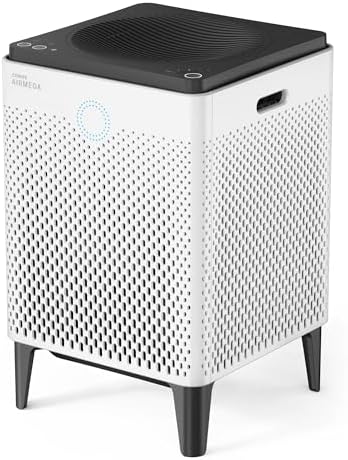
Air Purifiers Designed for All-Day Use
These picks come from the Hostinger affiliate plugin. Specs change by model year, so confirm filter type, CADR and replacement costs on the product page before you buy.





Is It Okay to Run an Air Purifier 24/7?
Most air purifiers are made for continuous use, and many manuals say they can run all day. Continuous low-speed running is often a good way to keep particle levels steady. Check your manual for any usage limits and keep the unit maintained.
Wear and Filter Life
Running more means the filter loads faster, so you replace it sooner. The fan also accumulates hours. Regular filter changes and clean vents reduce strain. Track the filter indicator and replace filters on schedule.
Energy Use and Cost
Energy use depends on the model and speed. Low speeds use little power. Check the unit’s rated wattage and consider auto or timer modes if you want to reduce use. Energy-efficient models list their ratings.
Noise and Sleep
Noise at higher speeds can disturb sleep. Use a low or night mode for the bedroom, and size the unit so it can run on a lower speed. Place it a few feet from the bed.
Ozone, Ionizers and Other Concerns
Some air cleaners produce ozone, which the EPA advises against. Avoid ozone-emitting units and check certification. If your unit has an ionizer, check the manual for how to disable it. Filter-based units do not rely on ozone.
Auto Mode Versus Manual Speed
Auto mode adjusts the fan to air quality and can save energy and noise. Manual speeds give consistent airflow. Choose what suits your room. If auto cycles too much, use a low manual speed.
Timers and Schedules
Timers can run the unit during certain hours, such as when you are home or before bed. A schedule helps reduce wear and energy use. Make sure the unit runs enough to keep particle levels low.
Overheating and Safety Signs
A hot housing, burning smell, unusual noise or tripped breaker means stop. Keep vents clear and the unit away from walls and heaters. Replace loaded filters. Contact the manufacturer if overheating continues.
Right-Sizing Reduces Strain
A unit that is too small runs at high speed all the time. Choose a CADR of about two-thirds of the room’s floor area for typical 8-foot ceilings, and use a larger unit on a lower speed for quiet and less wear.
Maintenance for Continuous Running
Check the pre-filter monthly, vacuum vents, replace filters on schedule and inspect the cord. Keep a log. A well-maintained unit can run for years.
How to Choose
- Look for a quiet low speed
- Check energy ratings
- Compare replacement filter costs
- Match the CADR to the room
Do
- Match the unit’s rated coverage to your room first
- Run it consistently, not only when the air feels bad
- Leave space around the unit for airflow
- Replace filters on the maker’s schedule
Don’t
- Do not buy on looks or price alone
- Do not block the intake or exhaust
- Do not skip filter changes
- Do not expect a purifier to fix every source of pollution
Honest Limits
- This guide uses manufacturer information and public guidance from the EPA and AHAM, not our own lab tests.
- Features and room ratings change between model years, so confirm on the listing before you buy.
- A purifier is not a medical device and does not replace medical advice or treatment.
Who Should Skip This
When to See a Professional
Frequently Asked Questions
Can I leave my purifier on all day?
Most are designed for it. Check your manual.
Does running it all day wear it out?
Filters load faster, so replace them on schedule.
Is ozone a concern?
The EPA advises against ozone-emitting air cleaners.
Is it safe to run it overnight?
Many people do. Use a quiet mode and keep the unit maintained.
Bottom Line
Most air purifiers are designed to run continuously, so running one all day is generally fine if the unit is maintained. Replace filters on schedule, watch for overheating and avoid ozone-emitting models. Use a low speed or auto mode to balance noise, energy and filter life.
Related reading: sens,fan,bed
Sources: EPA, Guide to Air Cleaners in the Home; AHAM Verifide.