Last updated:
Disclosure: As an Amazon Associate we earn from qualifying purchases. This does not change what we recommend. See our affiliate disclaimer.
It is not always obvious whether an air purifier is working. The fan may run, the lights may be on and the room may still be stuffy. A few simple checks of airflow, filter condition, indicators and sound, plus a sensible expectation of results, will tell you whether the unit is doing its job.
We have not tested these products ourselves, so follow your manual. A purifier cannot be judged by smell alone, and we cannot make medical claims about results.
Good signs
- Steady airflow at the outlet
- Filter indicator reset and current
- Quiet, consistent sound
Warning signs
- Weak airflow on high
- Odors or dust remain
- Unusual noise or smell
Key Takeaways
- Check airflow at each speed
- Check filters, the indicator and your log
- Use the display or a monitor to see changes
- Contact support for weak airflow, noise or burning smells
A Simple Weekly Check
Once a week, glance at the display, listen to the sound, check the airflow with your hand and look at the indicator. Once a month, vacuum the vents and pre-filter. Check the log for filter dates. This takes a couple of minutes and catches problems early. If anything changes, investigate it. A routine turns vague doubts into clear information.
Understanding CADR and Room Size
CADR measures how much clean air a unit delivers per minute for smoke, dust and pollen, and AHAM publishes the testing standard. A higher CADR cleans larger rooms faster. Compare the CADR with the room area and ceiling height. If the unit is undersized, increase the speed, add a second unit or choose a larger model next time.
Signs of Hidden Problems
A unit that runs but delivers weak airflow, a sensor that reads high constantly, a filter indicator that never resets or a fan that sounds rough may have a hidden problem. Check the filter seating, clean the sensor, look for blocked vents and try a different outlet. If problems continue, ask support for help.
What to Do If It Is Not Working
Work through the basics: power, cover and filters seated, vents clear, filters replaced, sensor cleaned. Test in manual mode. Record what you see. If the unit still does not perform, check the warranty and contact the manufacturer. Consider a replacement sized for the room if repair is not practical.
Comparing With the Manufacturer’s Claims
Check the stated CADR and noise levels in the manual and on the product page. A unit that delivers far less airflow than listed at the same speed may have a problem, but note that ratings come from lab conditions. Compare how the unit feels with and without a new filter, and compare it with a similar model if you can. Keep realistic expectations and use trends rather than single readings.
Using Independent Monitors Wisely
A separate particle monitor can show how quickly your unit reduces particles after a spike, such as cooking. Place it at breathing height, away from the unit and vents. Compare readings with the purifier on and off in similar conditions. Cheap monitors vary in accuracy, so treat numbers as rough guides. Look for the trend and not for exact values.
Common Reasons a Purifier Seems Ineffective
Frequent reasons include a unit that is too small, filters that are overdue, vents blocked by furniture, windows left open, strong ongoing sources such as smoking or heavy cooking and a unit set to a low speed or sleep mode. Address these before deciding the unit is faulty. Small changes in placement and settings often make a big difference.
Quick Reference
Tissue test at the outlet, paper test at the intake, a pre-filter that collects lint, a HEPA that slowly greys, a display that reacts to cooking, and a particle monitor that falls within an hour in a closed room. If any of those fail, check filters for wrapping, seating, and loading, then placement, then sizing.
Final Word
Airflow, suction, a greying filter, steady noise, and a responsive display say the purifier is running; a particle monitor falling within an hour in a closed room says it is working. If any of those fail, check filters, placement, and sizing before suspecting a fault.
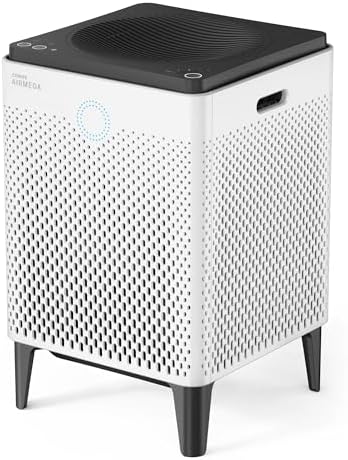
Air Purifiers With Clear Indicators and Sensors
These picks come from the Hostinger affiliate plugin. Specs change by model year, so confirm filter type, CADR and replacement costs on the product page before you buy.





Check the Airflow
Hold your hand a few inches from the outlet on each speed. Airflow should be steady and increase with speed. Weak airflow on high often means a loaded filter or blocked vent. Compare with how the unit felt when new.
Check the Filters
A filter that is dark, loaded or past its schedule is not doing its job. Check the filter indicator and the date in your log. Replace HEPA and carbon filters on the maker’s schedule and clean the pre-filter regularly.
Use the Display or an Air Quality Monitor
If your unit has a particle sensor and display, watch how readings change after cooking or cleaning. A separate air quality monitor can give a second opinion. Readings should improve after the unit runs for a while. Remember that sensors are approximate.
Notice Dust, Odors and Room Feel
After a few days of running, you may notice less visible dust settling or fewer odors. Results depend on room size, sources and the unit’s CADR. A unit that is too small may not make a noticeable difference.
Listen and Look for Problems
Normal operation is a steady whoosh. Rattling, whistling, grinding or clicking suggests a problem. A burning smell, heat or error beeps are warnings. Unplug and contact the manufacturer if you notice these.
Is the Unit the Right Size?
A unit that is too small may run constantly without much effect. Compare the unit’s CADR and stated room size with your room. As a rule of thumb, a CADR of about two-thirds of the floor area suits typical 8-foot ceilings. Consider a larger unit or more than one.
Placement Matters
Placing the unit behind furniture, in a corner or against a wall can limit performance. Give it clearance, place it where air can circulate and keep doors closed in the room. A good position helps the unit work better.
What a Purifier Cannot Do
A purifier does not remove all pollutants, odors or sources. It cannot fix a moisture problem, replace ventilation or remove contaminants stuck to surfaces. Do not expect it to solve problems it was not designed for. Keep expectations realistic.
Do a Simple Before-and-After Test
Note sensor readings, dust on a surface and room odors before you run the unit for a week. Compare afterward. Use the same conditions. This is not scientific but gives a practical sense of whether the unit helps.
When to Contact Support
If airflow is weak even with new filters, the sensor seems wrong, the unit makes noise or smells hot, contact support. Provide the model number, purchase date and what you tried.
How to Choose
- Look for clear filter indicators
- Check for a particle display
- Compare replacement filter costs
- Match the CADR to the room
Do
- Match the unit’s rated coverage to your room first
- Run it consistently, not only when the air feels bad
- Leave space around the unit for airflow
- Replace filters on the maker’s schedule
Don’t
- Do not buy on looks or price alone
- Do not block the intake or exhaust
- Do not skip filter changes
- Do not expect a purifier to fix every source of pollution
Honest Limits
- This guide uses manufacturer information and public guidance from the EPA and AHAM, not our own lab tests.
- Features and room ratings change between model years, so confirm on the listing before you buy.
- A purifier is not a medical device and does not replace medical advice or treatment.
Who Should Skip This
When to See a Professional
Frequently Asked Questions
How do I know the filter is working?
Check its condition, schedule and the airflow and sensor readings.
Why do I not notice a difference?
The unit may be undersized, poorly placed or the sources are strong.
Can I trust the sensor?
Sensors are approximate. Use them for trends.
How long before I see a difference?
It can take hours to days depending on the room and sources.
Bottom Line
To tell if an air purifier is working, check steady airflow at each speed, filter condition and indicator, sensor readings after activities and normal sound. Replace loaded filters and make sure the unit is sized for the room. Contact the manufacturer for weak airflow after cleaning, unusual noise or burning smells.
Related reading: sens,fan,bed
Sources: EPA, Guide to Air Cleaners in the Home; AHAM Verifide.