Last updated:
Disclosure: As an Amazon Associate we earn from qualifying purchases. This does not change what we recommend. See our affiliate disclaimer.
A dirty HEPA filter often shows up as weaker airflow, a louder fan, a filter indicator light, lingering odors or visible dust and discoloration. HEPA filters are normally replaced rather than washed, unless the manufacturer says the filter is washable. Check the manual for the interval and the correct replacement model. Do not use compressed air or vacuum a HEPA filter hard, since this can damage it.
We have not tested these products ourselves. Follow your manual for filter handling. Nothing here is medical advice.
Signs
- Weaker airflow
- Louder fan
- Indicator light
Do not
- Wash non-washable filters
- Use compressed air
- Ignore the manual
Key Takeaways
- Weaker airflow and louder fan are clues
- Indicators help
- Replace rather than wash unless stated
- Use correct replacements
A Quick Filter Inspection Routine
Once a month, unplug the unit and open the filter compartment. Check the pre-filter for hair and dust and clean it as directed. Look at the HEPA filter for heavy dust, discoloration or damage. Note whether airflow and noise have changed since the last check. Check the indicator and the hours logged if the unit tracks them. If you live with pets, smoke, or high dust levels, expect to replace filters sooner. Replace the filter if it is damaged or heavily loaded. Record the replacement date so you remember next time. Keep spare filters ready if you can. Never run the unit without a filter installed.
Dirty Sensors
Clean sensors per the manual.
Fake Filters
Use genuine or reputable compatible filters.
Storage
Store spare filters sealed and dry.
Costs
Include filters in the budget.
Seasonal Replacements
Consider changes after smoke or pollen seasons.
Disposal
Dispose of filters as directed.
A Monthly Inspection Routine
Unplug the unit, open the filter door, and remove the HEPA filter completely. Take it into good light and look at the upstream face, which is the side air hits first. A new filter is white or off-white; a dirty one shows grey across the whole surface, sometimes with visible fluff, hair, or dark streaks where airflow is strongest. Compare with a photo of the filter when new if you have one.
Check the pre-filter at the same time, because a clogged pre-filter can make a clean HEPA look dirty by starving it of air.
Airflow and Sound Clues
Put your hand at the outlet on a fixed speed. A loaded filter cuts airflow noticeably compared with a new one. Listen as well: a fan straining against a clogged filter often sounds louder or higher pitched than normal. If the unit has an air quality display, a reading that stays high despite hours of operation in a closed room points to a filter that is no longer capturing well.
Smell and Performance Clues
A dusty or musty smell from the outlet, especially on start-up, means the filter holds a heavy load and may be damp. Dust returning to surfaces faster than it used to, or odors lingering longer, are performance signs. Any one of these alongside a visibly grey filter is enough to replace it.
- Dusty or musty smell at start-up
- Dust settling faster on nearby surfaces
- Odors lingering despite the unit running
- Louder fan on the same speed
Dirty Versus Damaged
A dirty filter is uniformly grey and still intact. A damaged one has tears, crushed pleats, gaps at the frame, or holes where something was pushed through. Damaged filters let air bypass the media and should be replaced immediately regardless of how clean they look. Never try to repair a HEPA with tape or glue; the fibres around the repair are compromised.
What Not to Do With a Dirty HEPA
Do not wash it unless the label says washable; water ruins the fibres and invites mold. Do not use compressed air, which drives particles deeper and tears media. Do not bang it against a bin, which releases captured dust into the air you are trying to clean. Gentle surface vacuuming with a brush attachment is the only acceptable touch-up, and it does not restore performance. When the signs say dirty, replace it.
Turning Inspection Into a Schedule
Write the install date on the filter frame, photograph it new, and set a monthly reminder for the five-minute check. Over the first year you will learn the real interval for your home, which may be shorter than the manual’s estimate in pet or smoky rooms and longer in a clean bedroom. Keep a spare filter sealed in its packaging so a dirty filter never stays in service for want of a replacement.
Reader Scenario: Clean From the Front, Filthy Behind
A reader was sure the HEPA was fine because the visible face through the grille looked white. Pulling it out revealed the upstream side, hidden behind the pre-filter, was a solid grey with embedded pet hair, and the fan had been working hard enough to sound different for weeks. A new filter dropped the noise immediately and dust on the dresser stopped returning within a day. The reader now photographs each new filter and does the full pull-out check monthly.
The side you can see through the grille is the clean side. Always inspect the face that air hits first.
Quick Reference
- Pull the filter fully out and inspect the upstream face in good light
- Grey surface, reduced airflow, louder fan, or musty smell means replace
- Clean the pre-filter first and recheck before blaming the HEPA
- Never wash, blow, or bang a HEPA filter
- Replace damaged filters immediately
A Note on Combined Filters
Many purifiers use a single cartridge that combines pre-filter mesh, HEPA, and carbon. In those, you cannot judge each layer separately. If the smell has returned, the carbon is spent; if airflow has dropped and the face is grey, the HEPA is loaded; either one justifies replacing the whole cartridge. Units with separate layers let you clean the pre-filter and change the carbon without touching the HEPA, which keeps costs down in odor-heavy homes. Check which design you own before deciding what a dirty appearance actually means.
Final Word
Pull the filter fully out and inspect the face that air hits first; grey loading, weaker airflow, a louder fan, or a musty smell mean replace. Clean the pre-filter first and recheck, never wash or blow out a HEPA, and photograph each new filter for comparison.
Air Purifiers With Easy Filter Replacement
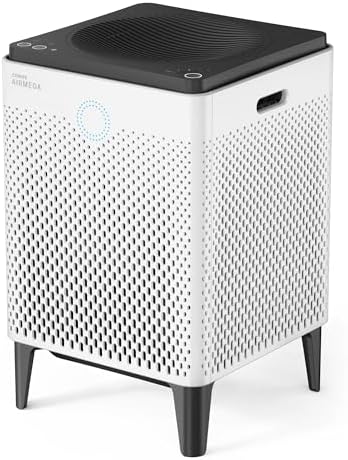
These picks come from the Hostinger affiliate plugin. Specs change by model year, so confirm filter type, CADR, noise and replacement filter costs on the product page.





Weaker Airflow
If air from the unit feels weaker than before, the filter may be loaded.
Louder Fan
A loaded filter makes the fan work harder and louder.
Indicator Lights
Many units track hours and light up for replacement. Reset the timer after changing.
Visible Dust and Discoloration
Darkening and visible dust on the filter surface indicate loading, but a filter can be loaded without looking dirty.
What to Do
Replace with the correct model. Clean the pre-filter as directed and wipe the intake.
Odors
A saturated carbon filter can let odors return.
Pet and Smoke Homes
Filters may need replacing sooner.
Checking Safely
Unplug before opening the filter door.
Pre-Filter Care
Clean pre-filters per the manual.
Genuine Filters
Use the correct replacement for your model.
How to Choose
- Filter indicator
- Accessible filter door
- Affordable replacements
- Washable pre-filter
Do
- Match the unit’s rated coverage to your room first
- Run it consistently, not only when the air feels bad
- Leave space around the unit for airflow
- Replace filters on the maker’s schedule
Don’t
- Do not buy on looks or price alone
- Do not block the intake or exhaust
- Do not skip filter changes
- Do not expect a purifier to fix every source of pollution
Honest Limits
- This guide uses manufacturer information and public guidance from the EPA and AHAM, not our own lab tests.
- Features and room ratings change between model years, so confirm on the listing before you buy.
- A purifier is not a medical device and does not replace medical advice or treatment.
Who Should Skip This
When to See a Professional
Frequently Asked Questions
Can I wash a HEPA filter?
Only if the manual says it is washable.
Can I vacuum it?
Do not use compressed air; follow the manual.
How often to replace?
Follow the manual.
What if the light stays on?
Reset after changing or check the manual.
Bottom Line
Weaker airflow, a louder fan, indicator lights and visible dust suggest a dirty HEPA filter. Replace it as directed rather than washing it unless the manual says it is washable.
Related reading: sens,fan,bed
Sources: EPA, Guide to Air Cleaners in the Home; AHAM Verifide.