Last updated:
Disclosure: As an Amazon Associate we earn from qualifying purchases. This does not change what we recommend. See our affiliate disclaimer.
The locking mechanism on an air purifier is the latch, clip, twist lock or child-safety switch that holds the cover or filter door closed. When it collects dust, pet hair or sticky residue, the cover may not seat properly, the unit may refuse to start or air may leak around the filter and bypass it. A little careful cleaning usually restores smooth operation.
This guide covers common designs and the safest way to clean them. We have not tested these products ourselves, so follow the manual for your model. If a latch is cracked or bent, contact the manufacturer for a replacement part rather than repairing it with glue or tape.
Safe to do
- Unplug first, always
- Vacuum dust with a brush attachment
- Wipe with a barely damp cloth, then dry
Avoid
- Spraying liquids into the latch area
- Oil or lubricant on plastic clips
- Forcing a stuck latch or bending tabs
Key Takeaways
- Unplug first and clean latches with a soft brush and a barely damp cloth
- Check the filter seal and make sure the cover seats flush
- Never force a latch or bypass a safety switch
- Contact the manufacturer for cracked or worn parts
A Quick Maintenance Routine
Once a month, unplug the unit, open the cover, brush the latch area and wipe the frame with a barely damp cloth. Dry it, close the cover and test. Add a check of the filter seal and note the date. A two-minute routine prevents most latch problems.
When to Replace the Unit Instead
If several parts are worn, the cover will not seat after cleaning and replacement parts are unavailable, a new purifier may be the better choice. Compare the cost of repair with the age and filter costs of the current unit, and check the warranty. A unit that does not seal properly cannot filter as designed.
Keeping Spare Parts and Records
Keep the manual, model number and purchase date together. Note replacement part numbers for filters and covers. Photograph the latch area before you start so you can compare after cleaning. Having this information makes support requests faster and helps you buy the right parts.
Common Mistakes That Damage Latches
Pulling a cover straight off without releasing the clips is the most common cause of a broken tab. Another is closing the cover with the filter slightly out of place, which stresses the latch every time. A third is cleaning with strong solvents that make plastic brittle. Slow, gentle handling and a quick look at the manual before the first removal prevent most of these problems, and they cost nothing.
Pet Hair, Lint and Dust Patterns
In homes with pets, hair wraps around small clips and collects in the guides, so the latch area may need a monthly brush. In homes with carpet or heavy fabric, lint builds up along the seal. In dusty or renovation-heavy periods, check the area weekly. Placing the purifier a few inches from walls and furniture also reduces the amount of debris pulled toward the intake and the latch region.
Reading the Manual for Your Model
Look for a section on filter replacement, since that usually shows how the cover opens and which parts are meant to move. Note any warnings about moisture, cleaning agents or safety switches. If the manual is lost, search the manufacturer support page for your model number and download the PDF. Keep it with your filter log so the next clean goes faster.
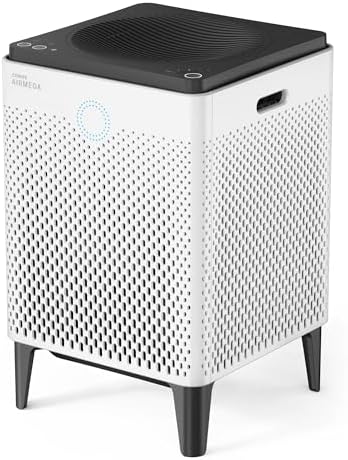
Air Purifiers With Easy-to-Maintain Covers
If a stubborn latch is a reason to replace the unit, look for designs with tool-free covers and clear instructions. These picks come from the Hostinger affiliate plugin. Specs change by model year, so confirm cover design, filter type and replacement costs on the product page.





What the Locking Mechanism Does
Many purifiers use a safety interlock: a small switch or tab that detects whether the cover is closed. If the cover is not seated, the fan may not start, which prevents fingers from reaching moving parts. Others use simple clips or twist locks that hold the filter drawer in place and press the filter against a seal. In both cases a clean, correctly seated latch matters for safety and for filtration, because air that leaks past the seal skips the filter.
Because the design varies by model, take a moment to identify which parts are mechanical, which are electrical and which are simply decorative. The manual or the manufacturer support page usually shows a diagram.
What You Need
A soft brush, a vacuum with a brush attachment, microfiber cloths, cotton swabs, a toothpick or plastic pick, a small torch and a towel are enough. Avoid metal tools near the latch, since they can scratch plastic and damage small electrical contacts. Keep isopropyl alcohol out of the job unless the manual allows it, because some plastics can cloud or crack.
Step-by-Step Cleaning
Unplug the purifier and let it cool. Remove the filters if the manual says to do so, so that you can reach the latch area. Use the torch to look for lint, hair and dust packed around the clip or tab, and remove it with the brush or a plastic pick.
Vacuum the area gently. Wipe the latch and the surrounding frame with a barely damp cloth and a drop of mild soap if there is sticky residue, then dry it with a clean cloth. Use a dry cotton swab on small corners. If the latch has a switch, brush around it without pressing deeply or forcing it.
Open and close the cover several times to feel whether the latch moves freely. It should click or seat firmly without grinding. If it still sticks, check for a bent tab or a filter that is the wrong way around.
Cleaning the Seal and Contact Surfaces
The gasket or foam seal around the filter helps force air through the filter. Wipe it dry, check that it is intact and make sure it sits flat. A compressed or torn seal can cause a loose fit even if the latch is clean. Contact surfaces on the cover and frame should be free of dust so that the cover closes flush.
If your unit has a safety switch, check that nothing is lodged near it. Do not press it with tools or bypass it. Replacement parts are the safe fix if it fails.
Signs a Latch Needs Attention
The cover rattles or does not click. The unit will not start even though it is plugged in. A whistling sound appears because air escapes around the filter. The filter appears slightly lifted. Dust is visible around the edges of the cover. Any of these can be caused by lint, a misaligned filter or a worn latch, and all are worth checking before you assume the unit is broken.
Child Locks Versus Cover Locks
Some purifiers include a child lock for the control panel, which is different from the cover latch. A child lock usually disables buttons until you hold a combination, and it is controlled by the electronics rather than a mechanical clip. If your buttons do not respond, check the manual for how to disable the child lock before assuming the latch is the problem.
Troubleshooting a Stuck or Loose Latch
A stuck latch is often caused by dust or a filter sitting at an angle. Remove the filter, clean the area and reinsert it with the airflow arrows facing the correct way. A loose latch can come from a worn tab or a missing clip. If a plastic part is cracked, do not glue it, because glue can block the interlock or leave fumes. Contact the manufacturer, who can often supply a replacement cover or tab.
How Often to Clean the Latch Area
Check the latch every time you change or clean a filter, and give it a quick brush-down monthly in dusty homes or homes with pets. A thorough clean twice a year is usually enough in other homes. Keep a note of the date in your maintenance log with the filter dates so you can spot patterns.
Safety Notes for Maintenance
Never bypass a safety interlock. Never run the unit with the cover off. Never use water or sprays near switches. If you see damaged wires, burn marks or melted plastic, stop using the unit and contact the manufacturer. If the unit is under warranty, contact support before opening anything beyond the filter compartment.
How to Choose
- Look for covers that open and close without tools
- Check that the filter seal is easy to inspect
- Read the manual for latch and safety-switch guidance
- Compare the support and parts availability
Do
- Match the unit’s rated coverage to your room first
- Run it consistently, not only when the air feels bad
- Leave space around the unit for airflow
- Replace filters on the maker’s schedule
Don’t
- Do not buy on looks or price alone
- Do not block the intake or exhaust
- Do not skip filter changes
- Do not expect a purifier to fix every source of pollution
Honest Limits
- This guide uses manufacturer information and public guidance from the EPA and AHAM, not our own lab tests.
- Features and room ratings change between model years, so confirm on the listing before you buy.
- A purifier is not a medical device and does not replace medical advice or treatment.
Who Should Skip This
When to See a Professional
Frequently Asked Questions
Why will my air purifier not start after I cleaned it?
Many units will not run unless the cover is fully seated. Check the filter position, the latch and any safety switch for dust.
Can I lubricate the latch?
Generally no. Oil can degrade plastic and attract dust. Check the manual before using any lubricant.
Is a loose cover a problem?
It can be, because air can leak around the filter. Check the filter seat and the gasket and replace worn parts.
How do I clean a child lock?
The child lock is usually electronic. Clean the panel with a dry cloth and check the manual for how to disable the lock.
Bottom Line
The locking mechanism of an air purifier needs only light care: unplug the unit, remove dust with a brush and vacuum, wipe sticky spots with a barely damp cloth, dry everything and check that the cover seats flush. Do not spray liquids, lubricate plastic clips or force a stuck latch. If a part is damaged, contact the manufacturer.
Related reading: sens,fan,bed
Sources: EPA, Guide to Air Cleaners in the Home; AHAM Verifide.