Last updated:
Disclosure: As an Amazon Associate we earn from qualifying purchases. This does not change what we recommend. See our affiliate disclaimer.
A thin, high whine from an air purifier is one of the most irritating sounds in a quiet room. It is often tied to the fan speed, which is a useful clue. Common causes include air whistling through a poorly seated filter, a clogged pre-filter that forces the fan to work harder, dust on the blades, a bearing starting to wear or electronic noise from the motor controller at a particular speed.
This guide walks through the checks in the order that solves most cases fastest. We have not tested these products ourselves, so the advice is general and based on how fan-driven purifiers are built. Check your manual for model-specific steps, and contact the manufacturer if the whine is accompanied by heat, a burning smell or grinding.
Easy fixes first
- Re-seat filters and latch the cover
- Clean or replace a clogged pre-filter
- Clear the intake and exhaust of obstructions
Likely service issues
- A whine that grows over days or weeks
- Whine plus heat, burning smell or grinding
- Noise at every speed that no check changes
Key Takeaways
- A whine at one speed often points to resonance or a loose panel
- A whine that rises with speed points to airflow restriction or a leak
- Clean the pre-filter, re-seat the filters and clear the fan of debris
- Heat, burning smells or grinding mean stop and contact the manufacturer
Placement Fixes That Help
Move the purifier away from walls and furniture, place it on a hard flat floor and avoid putting it on a wooden shelf or stack of items. A thin rubber or felt pad under the feet may reduce vibration if the manual allows. Keep the intake clear and avoid placing the unit where it pulls curtains or bedding toward it. Small changes in placement often reduce a whine by a noticeable amount.
Choosing a Quieter Unit Next Time
Compare the noise figure at the lowest speed and the speed you actually plan to use. Look for a real sleep mode and check owner feedback for coil noise or whining. Larger fans running slower tend to be quieter than small fans running fast, so a unit sized with some headroom for the room can run on a lower setting. Because models change, confirm specs on the product page.
Keeping the Fan Healthy
Clean the pre-filter on schedule, replace filters when due and vacuum the intake grille gently every month. Keep the unit away from cooking fumes, heavy dust and moisture. These habits reduce strain on the fan and can extend its life. Keep a note of the date you last cleaned it and the sound at each speed, so you notice changes early.
What Normal Fan Noise Sounds Like
It helps to know the baseline. A healthy purifier makes a steady, soft airflow sound that rises gently as you raise the speed. It should not have a sharp pitch, a rhythmic tick, a rattle or a sound that changes when you tap the case. If your unit sounded different when new, compare it with the manual or a video from the maker, and use a phone recording to track changes. Some units are simply louder at high speed, so judge noise at the speed you actually use.
If you are sensitive to high-frequency sounds, a unit with a larger, slower fan may suit you better, since small fans spinning fast often produce a higher pitch.
Noise Tests You Can Do With a Phone
A free sound meter or a spectrum app on your phone can show where the whine sits in frequency and how loud it is at each speed. Record from the same distance each time and keep notes. A sharp, narrow peak at one frequency usually means resonance or electronic noise, while a broad rise with speed points to airflow. Sharing a short clip with support makes the conversation quicker and gives them a better idea of what to suggest.
Quiet Air Purifiers to Compare
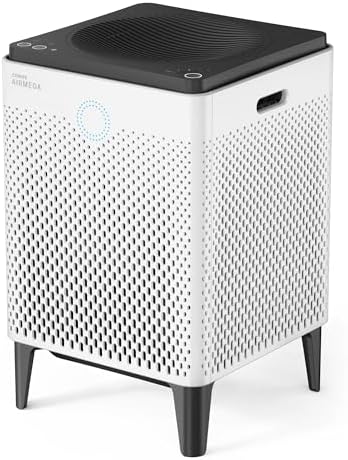
If your unit is old or keeps whining, you may be better off replacing it. These options come from the Hostinger affiliate plugin. Specs change by model year, so confirm noise levels at low speed, sleep mode and filter availability on the product page.





Start With Speed: When Does the Whine Happen?
Run the purifier through each fan speed and note when the whine appears. A whine at only one speed often points to a resonance, where the fan frequency matches the housing or a loose panel. A whine that rises smoothly with speed points to airflow noise, usually from restriction or a leak. A constant whine at every speed, even on low, suggests the motor or bearing.
Also try moving the unit to a different surface. A thin shelf or table can amplify a small sound, so a hard floor is a useful test.
Airflow Restrictions and Leaks
A clogged pre-filter, a crushed HEPA filter or a blocked intake forces the fan to pull harder, raising the pitch. A filter that sits slightly off its seat lets air whistle through a gap. Unplug the unit, remove and inspect the filters, vacuum the pre-filter gently if the manual allows and re-seat everything in the order shown.
Check that the unit has the clearance the manual recommends on all sides. Walls, curtains and furniture close to the intake or exhaust can make a whistling sound and reduce performance.
Dust, Hair and Debris on the Fan
Pet hair, lint or a bit of packaging can touch the fan guard or wrap around a blade, causing a thin whine or a periodic tick. With the unit unplugged, look into the air path with a torch and remove visible debris using a dry cloth or soft brush. Never push tools into the fan, and do not use water or sprays on the motor area.
If the fan looks clean, turn it by hand only if the manual allows. A fan that feels rough, sticky or noisy by hand suggests a bearing problem.
Electronic Whine and Coil Noise
Some purifiers use a controller that changes motor speed by switching power rapidly. At certain settings this can produce a faint, high electronic whine, sometimes called coil whine. It is usually harmless but can be annoying in a bedroom. If the sound appears only at one speed, try a neighboring speed or a different mode and see whether it disappears.
A cheap power strip, a damaged cord or a poor wall outlet can also add noise. Plug the unit directly into a good outlet, and avoid sharing the circuit with a dimmer switch or other electronics if you can.
Bearings, Age and Wear
Fans wear out. After many hours of running, a bearing can develop a thin whine or a growl that gets worse over time. This sound usually appears at all speeds and grows louder, and it may come with a warm case or a slower fan. Do not keep running a unit that grinds, because it can overheat. Check the warranty and contact the manufacturer.
If the unit is old and the fan is not a replaceable part, replacement is usually more practical than repair.
A Simple Step-by-Step Test Routine
Unplug the unit and inspect the filters and intake. Re-seat everything, latch the cover and place the unit on a hard flat surface with the recommended clearance. Run it on low, medium and high for two minutes each and note the sound. Try auto mode and sleep mode. Change only one thing at a time and write down what you did, so you can describe it to support if the whine remains.
Humidity, Temperature and Environment
A purifier in a damp room or near a heat source may sound different because the plastic and bearings behave differently with temperature and moisture. A unit in a cold garage or a humid bathroom can make more noise on startup and settle after a few minutes. If the whine disappears after warming up, it is usually harmless. If the unit is exposed to moisture, dust or fumes, check the manual for the recommended environment.
When to Contact Support or Replace
Contact the manufacturer if the whine persists after cleaning and seating, grows over time or comes with heat, smells or sparks. Have the model number, purchase date and a short audio clip ready, and mention the steps you tried. If the unit is out of warranty and the fan is failing, compare current options in the table above and confirm filter availability before you buy.
How to Choose
- Compare the published low-speed noise figure, not only the top speed
- Look for a real sleep mode and a dimmable display
- Prefer a model with a washable pre-filter and easy filter seating
- Check recent owner feedback for whining or coil noise
Do
- Match the unit’s rated coverage to your room first
- Run it consistently, not only when the air feels bad
- Leave space around the unit for airflow
- Replace filters on the maker’s schedule
Don’t
- Do not buy on looks or price alone
- Do not block the intake or exhaust
- Do not skip filter changes
- Do not expect a purifier to fix every source of pollution
Honest Limits
- This guide uses manufacturer information and public guidance from the EPA and AHAM, not our own lab tests.
- Features and room ratings change between model years, so confirm on the listing before you buy.
- A purifier is not a medical device and does not replace medical advice or treatment.
Who Should Skip This
When to See a Professional
Frequently Asked Questions
Why is my air purifier whining?
Common causes are a clogged filter, a poorly seated filter, debris on the fan, resonance in the housing or a wearing bearing.
Is a high-pitched whine dangerous?
A mild whine is usually harmless, but heat, burning smells or grinding are not. Unplug the unit and contact the manufacturer.
Can a dirty filter cause whining?
Yes. A clogged pre-filter or HEPA filter makes the fan work harder, which can raise the pitch.
Will a new filter fix the noise?
If the filter was clogged or damaged, often yes. If the fan is worn, a new filter will not help.
Bottom Line
A high-pitched whine is usually airflow, a loose filter, debris or a wearing fan. Check the filters and clearance first, then clean the fan area and test a different surface. If the whine grows, appears at every speed or comes with heat or burning smells, stop using the unit and contact the manufacturer.
Related reading: sens,fan,bed
Sources: EPA, Guide to Air Cleaners in the Home; AHAM Verifide.