Last updated:
Disclosure: As an Amazon Associate we earn from qualifying purchases. This does not change what we recommend. See our affiliate disclaimer.
A low hum is one of the most common air purifier sounds. Some hum is simply the fan and motor at work, especially on higher speeds. A louder or changing hum can come from vibration against a shelf, a loose filter or cover, a loaded filter that makes the motor strain or, less often, a failing motor or electrical component.
We have not tested these products ourselves, so follow your manual. Unplug the unit before checking the interior. If the hum comes with heat, a burning smell, buzzing or a tripped breaker, stop using the unit and contact the manufacturer.
Often normal
- Soft steady hum at high speed
- Hum that changes with speed
- Hum that stops when moved
Check further
- Loud or rising hum
- Buzzing with heat
- Hum with burning smell
Key Takeaways
- Some hum is normal at higher speeds
- Move the unit to a stable surface and reseat the filter
- Clean vents and replace loaded filters
- Stop and contact support for heat, buzzing or burning smells
A Quiet-Down Checklist
Place the unit on a firm, flat surface with a rubber pad. Make sure the filter is seated and the cover is closed. Clear the vents and keep a few inches of clearance. Vacuum the pre-filter and replace the main filter if due. Try a lower speed and a larger distance from the bed. Check that the cord does not touch the unit’s body or a hard surface. If the hum is still loud, record it and check the warranty. Small changes often reduce noise significantly.
Why Larger Units Can Be Quieter
A larger fan can move the same air at a lower speed, producing less noise. A small unit on high can be louder than a larger one on low. If noise bothers you, consider a unit with a higher CADR than you need and run it on a lower setting. Check published noise levels at each speed when comparing.
Sleep Modes and Noise
Sleep modes lower the fan speed and often dim lights. They are designed for quiet operation. If your unit hums even in sleep mode, check for vibration and loose parts, or consider a quieter model. Place it away from the bed and avoid placing it on a nightstand that carries vibration.
Signs the Hum Is More Than Noise
A hum accompanied by heat, a burning smell, smoke, flickering lights or a tripped breaker is a warning. Unplug the unit and stop using it. A hum that gradually grows and becomes a grind suggests a failing bearing. Contact the manufacturer and do not try to repair sealed parts.
Preventing Noise Problems
Replace filters on schedule, keep vents clean and avoid overloading the unit. Check the unit monthly for loose parts. Use a stable surface and keep the area around it clear. Record any change in sound so you can describe it to support.
Warranty and Replacement
Keep your receipt and model number. If the hum is a fault, ask about repair or replacement. If the unit is out of warranty and noisy even after cleaning, compare repair costs with replacement. Choose a new unit with published noise levels and a clear warranty.
Comparing Noise to Everyday Sounds
A quiet room is about 30 to 40 decibels and normal conversation is about 60. A unit at 50 on high may be fine for daytime but noticeable at night. Check the unit’s decibel ratings and keep in mind that low-frequency hum can seem louder than the number suggests.
Choosing a Quiet Model
Look for sealed housings, good fan design and a quiet low speed. Independent reviews often mention noise. A model with a quiet sleep mode and a dimmable display is better for bedrooms. Verify filter cost and availability.
Recording and Describing Noise for Others
If you need to contact support or compare with a friend’s unit, a short audio clip helps. Record near the unit at each speed for about ten seconds, and note the distance. Describe the sound in plain words: steady, rising, wobbling, grinding or buzzing. Include when it started and what changed. Clear descriptions help support narrow down the cause and may avoid unnecessary shipping of the unit.
Quiet Air Purifiers to Consider
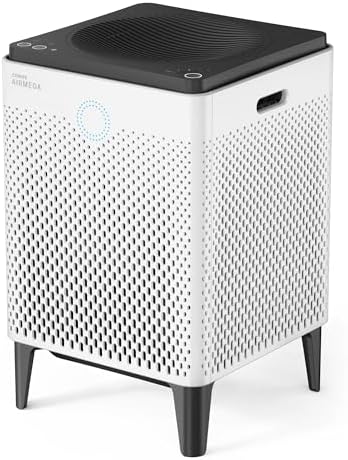
These picks come from the Hostinger affiliate plugin. Specs change by model year, so confirm filter type, CADR and replacement costs on the product page before you buy.





Normal Motor and Fan Hum
Fans and motors make a low hum that gets louder as speed rises. A steady, soft hum that matches the speed setting is typically normal. Compare with the unit’s rated noise level in the manual, and with how it sounded when new.
Vibration Against a Surface
A unit on a hollow table, a shelf or a thin floor can make the surface resonate. Move the unit to a stable surface, or add a rubber pad or mat. Check that nothing touches the unit. If the hum disappears on a different surface, the unit is fine.
Loose Filters and Covers
An unseated filter or loose cover can vibrate and hum. Unplug the unit, reseat the filter and close the cover firmly. Check that the gasket is in place and the filter fits well.
Clogged Filters and Strained Motors
A loaded filter or blocked intake makes the motor work harder, which can raise the hum. Clean the vents, vacuum the pre-filter and replace the main filter if due. A cleaner unit often runs quieter.
Electrical and Motor Problems
A hum that is loud, rising, buzzing or accompanied by heat, a burning smell or flickering lights can signal a motor or electrical fault. Unplug the unit and contact the manufacturer. Do not lubricate sealed motors or open sealed parts.
Hum at Different Speeds
Note whether the hum changes with speed. A hum that grows smoothly with speed is usually normal. A hum that jumps, wobbles or appears only at one speed suggests resonance or a loose part. Test each speed and record what you hear.
Transformer and Power Supply Hum
Some units hum from the power supply or transformer, especially a small, constant hum even when the fan is off. This can be normal for some designs but can also signal a failing component. If the hum is new or loud, contact support.
Placement and Room Effects
Hard, bare rooms amplify sound. Soft furnishings help absorb it. Place the unit a few feet away from where you sleep and not directly under a shelf. A rug or mat under the unit can reduce vibration.
Noise Levels and What Is Reasonable
Noise levels are listed in decibels. A quiet unit on low can be barely audible, while high speeds are louder. If your unit is much louder than its rating, check for loose parts and loaded filters. Compare your unit with others in the same class.
When to Contact Support
If the hum is loud, new or changing and basic checks do not help, contact the manufacturer with the model number, purchase date and a short audio recording. Ask about warranty coverage.
How to Choose
- Look for published noise levels
- Check for a quiet sleep mode
- Compare replacement filter costs
- Match the CADR to the room
Do
- Match the unit’s rated coverage to your room first
- Run it consistently, not only when the air feels bad
- Leave space around the unit for airflow
- Replace filters on the maker’s schedule
Don’t
- Do not buy on looks or price alone
- Do not block the intake or exhaust
- Do not skip filter changes
- Do not expect a purifier to fix every source of pollution
Honest Limits
- This guide uses manufacturer information and public guidance from the EPA and AHAM, not our own lab tests.
- Features and room ratings change between model years, so confirm on the listing before you buy.
- A purifier is not a medical device and does not replace medical advice or treatment.
Who Should Skip This
When to See a Professional
Frequently Asked Questions
Is a humming purifier normal?
A soft hum matching fan speed is often normal.
Why is it louder than before?
Loaded filters, loose parts or surface vibration are common causes.
Can I oil the motor?
Do not lubricate sealed fan motors.
When should I call support?
If the hum is loud or new and basic checks do not help.
Bottom Line
A humming air purifier is often just fan sound, but vibration, a loose filter or a loaded filter can make it louder. Move the unit to a stable surface, reseat the filter and clean the vents. Stop and contact the manufacturer if the hum comes with heat, buzzing or a burning smell.
Related reading: sens,fan,bed
Sources: EPA, Guide to Air Cleaners in the Home; AHAM Verifide.