Last updated:
Disclosure: As an Amazon Associate we earn from qualifying purchases. This does not change what we recommend. See our affiliate disclaimer.
An air purifier fan that slows down can be perfectly normal or a sign of trouble. In auto mode, many units slow the fan when the air is clean. A clogged filter, a dirty sensor, a power issue or a failing motor can also change fan speed. The pattern, timing and sound help you tell which it is.
We have not tested these products ourselves, so follow your manual. Unplug the unit before checking the interior. If you notice a burning smell, heat or grinding noises, stop using the unit and contact the manufacturer.
Often normal
- Auto mode slowing in clean air
- Night or sleep mode
- Timer or eco mode
Check further
- Slow even on high
- Clogged filter
- Grinding or burning smell
Key Takeaways
- Auto and sleep modes slow the fan by design
- Test in manual mode at each speed
- Clean vents, pre-filter and sensor, and replace loaded filters
- Stop and contact support for grinding, heat or burning smells
A Five-Step Test Plan
First, set the unit to manual high and check airflow. Second, clean the vents and pre-filter. Third, check or replace the main filter and reset the indicator. Fourth, clean the sensor with the unit unplugged. Fifth, try another outlet without a power strip. Make a note after each step. If the fan is still weak after all five, the problem is more likely the motor or power supply, and the manufacturer should look at it. Keep your notes and the model number ready for support.
Why a Clean Filter Still Feels Weak
New HEPA filters are dense and airflow may feel modest compared with an open vent, even though the unit is working correctly. Compare with the unit’s original performance, not with a fan. Check the CADR on the label and the fan speeds in the manual. If airflow is much lower than it was with a fresh filter, look for a restriction elsewhere, like a blocked intake or a bent filter.
Fan Speed and Noise Levels
If the fan slows and also becomes louder, grinding or rattling, suspect a failing bearing, debris or a loose part. A fan that speeds up and slows repeatedly without reason may have a sensor or power problem. A fan that is smooth but slow is more likely a restriction or a mode setting. Describing these differences helps support diagnose it.
Hidden Settings and Smart Controls
Smart units may have schedules, eco modes, geofencing or voice-assistant routines that change the fan speed. Check the app for scheduled changes and automations. Update firmware, and test with the physical buttons to rule out the app. A forgotten setting is a common cause of unexpected fan behavior.
When Replacement Is Better Than Repair
If the motor is failing, the unit is old and out of warranty and replacement parts are not sold, a new unit is often the better value. Compare the repair cost and your unit’s age. Choose a model with a CADR suited to the room, a reasonable filter cost and a clear warranty.
Preventing Fan Problems
Replace filters on schedule, vacuum the vents monthly, keep the unit clear of obstructions and avoid overloading outlets. Keep the unit away from heat and moisture. Keep a log so you notice changes in performance early.
Safety Notes
Always unplug the unit before checking the fan area. Do not insert tools or fingers into the fan. Do not run the unit with the cover off. If you smell burning or the housing is hot, stop and contact the manufacturer.
Noise, Comfort and Fan Speed Choices
A larger unit on a lower speed is usually quieter than a small unit on high. If the fan slows in auto mode and you prefer steady airflow, choose a low manual speed. Check whether your unit has a quiet mode and an adjustable sensor. Choosing the right size for the room gives you more flexibility with fan speed.
What the Specs and Manual Tell You
The manual lists fan speeds, noise levels and CADR for each setting. Compare what you see with these numbers. If a unit that once gave a strong stream on high now seems like medium, that suggests a restriction or a failing fan. Keep the manual and a short note of how the unit sounded when new. A simple before and after comparison is more reliable than memory.
Air Purifiers With Reliable Fans
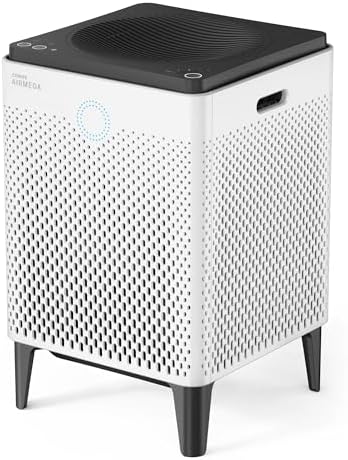
These picks come from the Hostinger affiliate plugin. Specs change by model year, so confirm filter type, CADR and replacement costs on the product page before you buy.





Auto Mode and Sensors
In auto mode, the fan speed follows the air quality sensor. When the air is clean, the fan slows, and when particles rise it speeds up. This can look like the unit is failing but is normal. Switch to a manual speed to test.
Sleep, Night and Eco Modes
Night or sleep modes lower the fan speed and dim lights. Eco modes may slow or pause the fan. Check that your unit is not in one of these modes, including via an app or a schedule.
Clogged Filters and Restricted Airflow
A heavily loaded filter or blocked intake restricts airflow, and the fan may seem slower or weaker. Clean the vents and pre-filter, and replace the main filter if it is loaded or past its schedule. Check that nothing is blocking the unit.
Dirty Sensors
A sensor coated with dust can read wrongly, keeping the fan slower or faster than needed. Clean the sensor as the manual describes with a soft brush or dry swab, with the unit unplugged.
Power and Motor Problems
A weak outlet, an overloaded strip or a failing power supply can reduce fan speed. A failing motor or worn bearing can cause slowing, noise or heat. Try another outlet. If the fan is slow on all settings and the unit is noisy or hot, stop and contact the manufacturer.
Test in Manual Mode
Set the unit to a manual speed and compare each speed. If high is much weaker than before, suspect a clogged filter or power problem. If speeds seem normal, the slowing was auto or sleep behavior.
Check the Filter Indicator and Reset
If the indicator is on, the unit may be telling you to replace the filter. Replace it and reset the indicator. A unit may also reduce speed if the filter is missing or the cover is not seated.
Listen and Feel
Listen for grinding, buzzing or scraping and feel the airflow at the outlet. Grinding suggests a bearing or debris. Weak airflow suggests restriction. Hold your hand a few inches away to compare.
Room, Placement and Obstructions
Make sure the unit has clearance, and the intake and outlet are not blocked by walls, curtains or furniture. Check that the unit is on a flat surface. A unit in a corner may seem slower because airflow is blocked.
Warranty and Support
If basic checks do not help, contact the manufacturer with the model number, purchase date and a description. Ask about warranty coverage and whether the unit is a known issue. Record a short audio clip to help.
How to Choose
- Look for a clear manual speed control
- Check for quiet operation
- Compare replacement filter costs
- Match the CADR to the room
Do
- Match the unit’s rated coverage to your room first
- Run it consistently, not only when the air feels bad
- Leave space around the unit for airflow
- Replace filters on the maker’s schedule
Don’t
- Do not buy on looks or price alone
- Do not block the intake or exhaust
- Do not skip filter changes
- Do not expect a purifier to fix every source of pollution
Honest Limits
- This guide uses manufacturer information and public guidance from the EPA and AHAM, not our own lab tests.
- Features and room ratings change between model years, so confirm on the listing before you buy.
- A purifier is not a medical device and does not replace medical advice or treatment.
Who Should Skip This
When to See a Professional
Frequently Asked Questions
Why does the fan slow down in auto mode?
The fan follows the sensor and slows when the air is clean.
Can a clogged filter slow the fan?
It can reduce airflow and make the fan seem weaker.
Can a dirty sensor cause it?
Yes, it can give wrong readings.
When should I call support?
If the fan is weak on all manual speeds or the unit is noisy or hot.
Bottom Line
An air purifier fan that slows down is often responding to auto mode or a sleep setting. If it is slow on manual high, clean the vents and pre-filter, replace loaded filters, clean the sensor and try another outlet. Contact the manufacturer if you notice grinding, heat or a burning smell.
Related reading: sens,fan,bed
Sources: EPA, Guide to Air Cleaners in the Home; AHAM Verifide.