Last updated:
Disclosure: As an Amazon Associate we earn from qualifying purchases. This does not change what we recommend. See our affiliate disclaimer.
A chemical smell from an air purifier can come from several sources: cleaning product residue, a new filter, off-gassing from fresh plastic, a saturated carbon filter or fumes drawn from the room such as paint, new carpet or sprays. Finding the source is the first step, and most causes are harmless once they are cleaned or aired out.
We have not tested these products ourselves, so follow your manual. Stop using the unit and ventilate if the smell is strong or you feel unwell, and contact the manufacturer if it smells like burning or electrical fumes.
Common, fixable causes
- Cleaning residue
- New filter or unit
- Room fumes
Stop and check
- Burning or electrical smell
- Strong fumes with symptoms
- Hot housing
Key Takeaways
- Find out whether the smell is from the room or the unit
- Wipe residue with plain water or mild soap and dry
- Replace saturated carbon filters; do not wash them
- Stop and call support if the smell is burning or electrical
Step-by-Step Smell Investigation
Turn the unit off and unplug it. Move it to a ventilated area. Smell the room, the unit’s exterior, the pre-filter, the main filter and the housing interior, one at a time, from a normal distance. Note which smells strongest. Clean the housing and pre-filter. If the main filter smells strongest, replace it. Reassemble and run the unit on low. Check again in a day. If the smell remains the same, look for room sources again. Keep notes of each step in your log.
Why Carbon Filters Release Odors
Activated carbon adsorbs gases onto a large internal surface. When the surface is full, it cannot capture more, and some gases can desorb back into the air as conditions change. That is why saturated carbon can smell. Replacing it on schedule, and sooner after strong fumes, keeps the unit effective. Store spare filters sealed so they do not absorb household odors.
Choosing Low-Odor Products and Filters
Look for filters with clear specifications, from reputable sources, and avoid unknown low-cost filters that may smell of glue or solvents. Read independent reviews for odor complaints. Choose fragrance-free cleaners and avoid scented air fresheners near the unit. A simple, low-odor routine keeps the air cleaner and avoids loading the carbon.
Health and Comfort Notes
If a smell bothers you or causes symptoms, ventilate and move to fresh air. We cannot make medical claims, so talk to a healthcare professional about symptoms. For persistent odors in the home, consider checking for sources such as drains, mold or appliances. A purifier works best as one part of a plan.
How to Tell Room Fumes From Unit Smells
A simple test is to run the unit in a different, well-ventilated room. If the smell follows the unit, the source is the unit or its filters. If the smell stays in the first room, the source is in that room. You can also smell the air near the outlet and near the intake. A stronger smell at the outlet suggests the filter or housing, while a strong smell at the intake suggests room fumes. This simple test saves time before you replace anything.
What to Do After Using Strong Cleaners in the Room
If you cleaned with strong products, ventilate first and let the room air out before running the purifier. Running a unit in strong fumes saturates the carbon faster and may leave the unit smelling of the chemicals. After the room is aired, check the carbon filter and replace it if it still smells. Avoid spraying cleaners near the intake.
Moving Past a Persistent Smell
If the smell lingers after cleaning, replacing the carbon filter and airing the unit, contact the manufacturer with the model number and describe the smell. Ask whether there is a known issue with your model or filter. If the unit is under warranty and the smell remains, ask for a replacement. A persistent chemical smell from a unit is not something to live with.
Air Purifiers With Carbon Filters
These picks come from the Hostinger affiliate plugin. Specs change by model year, so confirm filter type, CADR and replacement costs on the product page before you buy.






Where the Smell Can Come From
The smell may come from the unit or from the room. Residue from cleaners on the housing or pre-filter, new plastic or filters, glue from filter frames, saturated carbon and fumes from paint, solvents, new furniture or sprays are common causes. Smelling each part separately helps locate it.
Check the Room First
Turn the unit off for an hour and see if the smell is still in the room. If it is, the source is likely nearby, such as new furniture, paint, cleaning sprays or a hobby product. Ventilate and remove the source. Running the purifier in a fume-heavy room can saturate the carbon quickly.
Clean Residue From the Unit
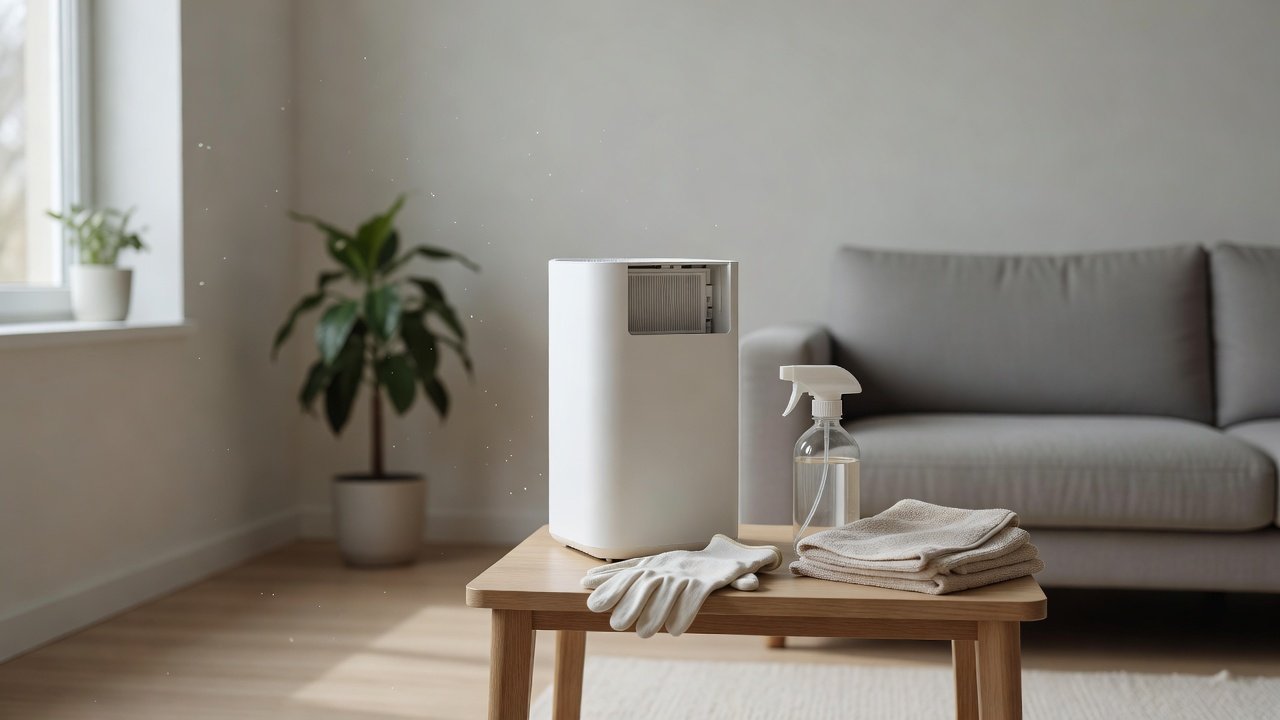
Unplug the unit. Wipe the housing with a barely damp cloth and plain water or a drop of mild soap, then a clean damp cloth and dry. Rinse a washable pre-filter if the manual allows and dry it completely. Avoid scented cleaners, which can leave smells.
New Filters and Off-Gassing
A new filter or unit can smell faintly for a few days. Remove packaging, run the unit in a ventilated room and the smell should fade. If it is strong or persistent, stop using the filter and contact the seller.
Replace Saturated Carbon
Activated carbon cannot be washed. If the carbon filter has been exposed to strong fumes or is past schedule, replace it. A saturated carbon filter can release odors it has captured. Use the exact filter model for the unit.
Paint, New Carpet and Furniture Fumes
Fresh paint, new carpet and furniture can release fumes for days or weeks. Ventilate the room, keep windows open when possible and give new items time to air out. A purifier with carbon can help with some odors but has limited capacity, and it is not a substitute for ventilation.
Cleaning Products and Sprays
Sprays and strongly scented cleaners can leave residue and load carbon. Avoid spraying near the purifier, and do not use it as a freshener. If you use strong products, ventilate and replace carbon sooner.
Safe Airing Out
Place the unit in a ventilated area for a day or two and run it on low. Keep it away from sensitive areas until the smell fades. If it persists, check each part again and replace filters.
When Chemical Smell Means a Problem
A sharp, electrical or burning smell, hot housing, smoke or a smell that causes symptoms is a reason to stop. Unplug the unit if safe, ventilate and contact the manufacturer. If you feel unwell, seek medical advice.
Preventing Chemical Odors
Use only manual-approved cleaners, wipe with plain water, replace filters on schedule and keep fumes sources away from the unit. Keep spare filters sealed. Keep a log of cleaning products used.
How to Choose
- Look for a substantial carbon layer
- Check replacement filter costs
- Choose a washable pre-filter
- Match the CADR to the room
Do
- Match the unit’s rated coverage to your room first
- Run it consistently, not only when the air feels bad
- Leave space around the unit for airflow
- Replace filters on the maker’s schedule
Don’t
- Do not buy on looks or price alone
- Do not block the intake or exhaust
- Do not skip filter changes
- Do not expect a purifier to fix every source of pollution
Honest Limits
- This guide uses manufacturer information and public guidance from the EPA and AHAM, not our own lab tests.
- Features and room ratings change between model years, so confirm on the listing before you buy.
- A purifier is not a medical device and does not replace medical advice or treatment.
Who Should Skip This
When to See a Professional
Frequently Asked Questions
Why does my purifier smell like chemicals?
Residue, new parts, saturated carbon or room fumes are common causes.
Will a new filter smell?
A faint smell for a few days can be normal.
Can I wash a carbon filter?
No. Replace it.
When is it dangerous?
A burning or electrical smell, heat, smoke or symptoms means stop.
Bottom Line
To clean an air purifier that smells like chemicals, find out whether the smell comes from the room or the unit, wipe residue with mild soap and water, ventilate while new filters settle and replace saturated carbon filters. Stop using the unit and contact the manufacturer if the smell is burning or electrical.
Related reading: sens,fan,bed
Sources: EPA, Guide to Air Cleaners in the Home; AHAM Verifide.