Last updated:
Disclosure: As an Amazon Associate we earn from qualifying purchases. This does not change what we recommend. See our affiliate disclaimer.
Some air purifiers, often called electrostatic precipitators or electronic air cleaners, use charged plates to collect particles instead of, or in addition to, a replaceable filter. These collection plates build up a layer of dust and must be cleaned regularly to keep working. The method is different from replacing a HEPA filter, and safety matters because the plates are part of a high-voltage system.
We have not tested these products ourselves, so follow your manual exactly. Unplug the unit and wait before opening it. The EPA advises against ozone-emitting air cleaners, so check whether your model produces ozone and consider a filter-based unit if you are unsure.
Cleaning basics
- Unplug and wait
- Follow the manual for plate removal
- Dry completely before reinstalling
Never
- Clean while plugged in
- Use abrasive scrubbers
- Reinstall damp plates
Key Takeaways
- Unplug and wait before opening
- Follow the manual for plate cleaning
- Dry plates completely before reinstalling
- Consider filter-based units given EPA ozone advice
Step-by-Step Plate Cleaning
Unplug the unit and wait the time the manual lists. Open the unit and remove the plates one at a time, noting their order and orientation. Take a photo before you remove anything. Soak or wipe the plates as the manual allows, using a soft brush for stubborn dust. Rinse well and let them dry completely, often for many hours. Reinstall in the same order, close the unit and check the interlock. Plug it in and listen. Log the date and set the next reminder.
Detergents and Cleaning Agents
Use only the detergent and method the manual recommends, usually a mild dish soap. Avoid strong solvents, abrasives and bleach, which can damage coatings. Rinse thoroughly, since residue can cause arcing or odors. Do not mix cleaners. If the manual says dry cleaning only, do not wet the plates.
What Crackling and Sparks Mean
A faint crackle can occur when dust builds up and charged plates discharge. A loud crackle, sparks, a sharp smell or visible arcing means stop. Unplug the unit and check that the plates are clean, dry and seated. If the problem remains, contact the manufacturer. Do not use a unit that sparks.
Environmental Factors
Humidity, smoke, cooking grease and dust all affect how quickly plates dirty. Grease can bake onto plates and be hard to remove. Clean more often in kitchens and smoky homes. Keep the unit away from heavy grease and steam.
Comparing Electrostatic and HEPA Units
Electrostatic units may avoid filter costs but need regular cleaning and may produce ozone. HEPA units need filter replacement but do not rely on charge. Check certifications and ozone emissions, and compare costs and maintenance. Many people prefer HEPA for simplicity and the EPA’s ozone guidance.
Safety Around Electronics
Never run the unit with the cover off or with damp parts. Do not bypass the interlock. Keep children and pets away from open units. Do not touch internal parts beyond what the manual describes. If the unit is damaged, stop using it.
Storing and Replacing Plates
Store spare plates dry and flat. If plates are corroded, scratched or bent, replace them as the maker allows. Keep the part number and model for ordering. Do not reuse damaged plates.
Choosing a Low-Maintenance Alternative
If plate cleaning is a chore, a filter-based unit with a washable pre-filter and replaceable HEPA filter may suit you better. Compare how often parts need attention and what they cost. Choose the unit you will maintain.
How to Tell Your Unit Uses Collection Plates
Look in the manual or on the product page for terms such as electrostatic, electronic air cleaner, ionic or washable cells. If the unit has metal plates or a cell you slide out and wash, it is likely this design. Some units combine plates with a HEPA filter. Knowing which type you have tells you what to clean and what to replace. If you cannot tell, contact the manufacturer with the model number.
Plates, Ionizers and Why the Difference Matters
Ionizers charge particles so they settle on surfaces, while electrostatic precipitators collect charged particles on plates inside the unit. Both can produce ozone, and both need different care than a filter-based purifier. Residue on walls or furniture suggests an ionizer without a collector. A unit with plates that need washing is designed to hold the dust inside. Check the manual for the design and ozone information.
Filter-Based Air Purifiers to Consider
These picks come from the Hostinger affiliate plugin. Specs change by model year, so confirm filter type, CADR and replacement costs on the product page before you buy.






What Collection Plates Do
Collection plates attract charged particles from the air, so dust builds up on them. As the layer thickens, efficiency drops and the unit can arc or crackle. Regular cleaning keeps the plates working as designed.
Safety First
Unplug the unit and wait the time the manual specifies before opening it, since components can hold charge. Do not touch internal parts beyond the plates. Keep liquids away from electronics. If the unit has an interlock switch, make sure it works after cleaning.
Remove and Clean the Plates
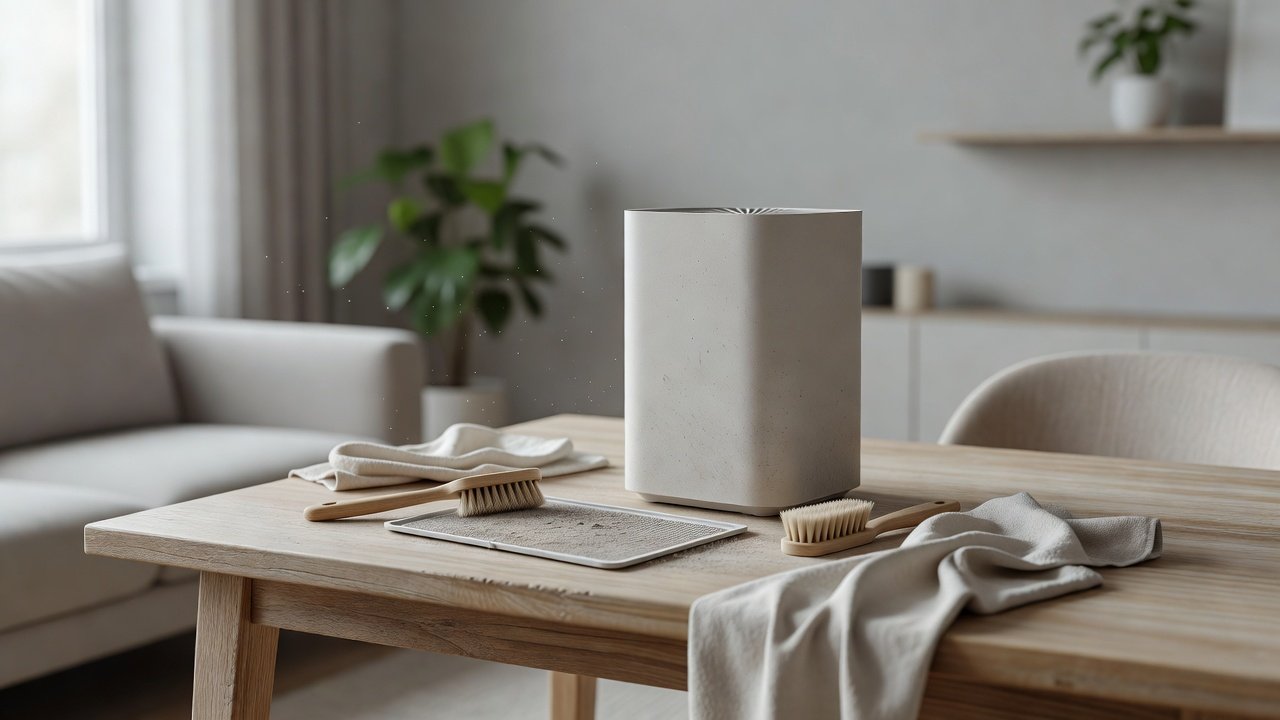
Follow the manual to remove the plates. Many are rinsed with warm water and a mild detergent, or wiped with a soft cloth, while others are dry-clean only. Use a soft brush for stubborn dust. Avoid abrasive pads that scratch the surface.
Rinse and Dry Completely
Rinse off detergent thoroughly. Shake off water and let the plates dry fully, usually for many hours, before reinstalling. Damp plates can cause arcing, odors or damage. Do not use heat to speed drying.
Reassemble and Test
Reinstall the plates correctly, close the unit and make sure interlocks engage. Plug the unit in and listen for crackling or unusual smells. A faint hum may be normal, but sparking or a sharp smell means stop and check.
How Often to Clean Plates
Cleaning frequency varies, often every few weeks to every few months depending on dust load. Follow the manual. In dusty homes, clean more often. A unit that crackles more or seems less effective may be due for cleaning.
Ozone and Electrostatic Units
Electrostatic cleaners can produce ozone as a byproduct. The EPA advises against ozone-emitting air cleaners because ozone can irritate the lungs. Check whether your unit is certified for low ozone emissions. A filter-based purifier avoids the issue.
Cleaning the Rest of the Unit
Vacuum the vents and exterior, wipe the housing with a barely damp cloth and clean any pre-filter as the manual allows. Do not wet the electronics area. Keep the unit away from steam and sprays.
Troubleshooting After Cleaning
If the unit crackles, smells sharp or does not start after cleaning, unplug it and check that the plates are dry and seated, and that the interlock is engaged. If problems continue, contact the manufacturer.
When to Replace the Unit or Move to Filters
If plates are corroded, the unit is noisy or hard to keep clean, or you prefer to avoid ozone concerns, consider a filter-based purifier with true HEPA media. Compare long-term costs and maintenance effort.
How to Choose
- Prefer true HEPA filters
- Avoid units that rely on ozone
- Check replacement filter costs
- Match the CADR to the room
Do
- Match the unit’s rated coverage to your room first
- Run it consistently, not only when the air feels bad
- Leave space around the unit for airflow
- Replace filters on the maker’s schedule
Don’t
- Do not buy on looks or price alone
- Do not block the intake or exhaust
- Do not skip filter changes
- Do not expect a purifier to fix every source of pollution
Honest Limits
- This guide uses manufacturer information and public guidance from the EPA and AHAM, not our own lab tests.
- Features and room ratings change between model years, so confirm on the listing before you buy.
- A purifier is not a medical device and does not replace medical advice or treatment.
Who Should Skip This
When to See a Professional
Frequently Asked Questions
How often should I clean the plates?
Follow the manual, often every few weeks to months.
Do electrostatic units make ozone?
Some do. The EPA advises against ozone-emitting air cleaners.
Can I wash the plates?
Only if the manual says so, and dry them fully.
What if it crackles?
Check that plates are dry and seated, or clean them. Contact support if it continues.
Bottom Line
Clean electrostatic collection plates by unplugging the unit, waiting as the manual says, removing and washing the plates as directed and drying them completely before reinstalling. Because the EPA advises against ozone-emitting air cleaners, consider a filter-based unit if you are unsure about your model.
Related reading: sens,fan,bed
Sources: EPA, Guide to Air Cleaners in the Home; AHAM Verifide.