Last updated:
Disclosure: As an Amazon Associate we earn from qualifying purchases. This does not change what we recommend. See our affiliate disclaimer.
A car air purifier is a small device that plugs into a 12-volt outlet or USB port, or a filter built into the vehicle’s cabin ventilation. Because cars are small, dusty and subject to heat and moisture, these units collect grime fast. A quick, regular clean keeps airflow up and prevents odors.
This guide covers portable car purifiers and gives a short note on cabin filters. We have not tested these products ourselves, so follow the manual for your device and your vehicle. Never clean a device while it is plugged in, and do not use liquids on electrical parts.
Safe steps
- Unplug first
- Brush and vacuum the intake
- Wipe with a barely damp cloth, dry
Avoid
- Wetting the electrical connector
- Using sprays on the unit
- Leaving it in direct sun or extreme heat
Key Takeaways
- Unplug and keep electrical parts dry
- Brush and vacuum the intake, wipe the housing with a barely damp cloth
- Replace HEPA and carbon filters rather than washing them
- Avoid heat, sun and ozone-producing features
Pollen, Dust and Smoke on the Road
Roads, traffic and wildfire smoke bring fine particles into the cabin. Set the vehicle to recirculate in heavy smoke or traffic, replace the cabin filter on schedule and clean the dashboard with a damp cloth. A small purifier may help a little but has limited capacity in a large cabin.
Choosing Between Portable and Cabin Solutions
A cabin filter upgrade, regular cleaning and good ventilation habits often do more than a small portable unit. If you still want a portable unit, choose one sized to a car and avoid ozone-emitting devices. Check power requirements and fuse ratings before plugging it in.
Cable and Connector Care
Check the cable and the plug for damage. Do not bend the cable sharply or leave it under a seat. Unplug it when the car is off if the manual advises. If the plug is hot or the cable is damaged, stop using the unit.
Storage Between Uses
Clean, dry and store the unit in its box or a bag in a cool place. Keep spare filters sealed until needed. Note the filter date so that you replace them on time.
What Car Purifiers Can and Cannot Do
A small plug-in unit moves a limited amount of air, and a car cabin is a leaky space with doors, vents and windows. A purifier may reduce some dust and odors, but it will not remove carbon monoxide or exhaust gases, and it is no substitute for ventilation. Never rely on a purifier to make a smoky or fume-filled cabin safe. If you smell exhaust inside a car, stop and get fresh air.
Cleaning Vents and the Dashboard
Dust on the dashboard and in the vents is drawn into the cabin air. Use a soft brush or a vacuum with a brush attachment on the vents, and a damp microfiber cloth on the dashboard. Do not spray cleaners directly into vents. Vacuum the seats and carpets regularly, since they are major sources of dust and odor.
Replacing the Filter: What to Look For
Use the manufacturer’s replacement filter or a quality compatible one that matches the size and fit. A badly fitting filter can leak air around the edge. Check the filter for gray discoloration, damp patches or a musty smell, which are signs it is time to replace it. Write the install date on the filter or in your log.
Allergy Season and Pollen in the Cabin
Pollen enters through open windows and vents. In heavy pollen periods, keep windows closed, use recirculation for short periods, replace the cabin filter on time and wipe surfaces with a damp cloth. A portable purifier may help slightly. For allergy concerns, ask a healthcare professional what is appropriate for you.
Smoke, Vaping and Wildfire Days
Smoke from outside or from smoking inside leaves residue on fabrics and filters. Ventilate, clean surfaces, wash removable fabrics and replace filters earlier. On wildfire days, use recirculation and avoid unnecessary driving if conditions are hazardous, following local guidance. A small purifier will not fix heavy smoke.
Rental Cars, Shared Vehicles and Ride Use
If you use a portable purifier in a rental or shared vehicle, clean it and the area around it before returning the car, take the unit with you and check local rules about what you may leave in a vehicle. In vehicles used by several people, a clean cabin filter and regular vacuuming do more than a small plug-in device.
A Short Monthly Car Air Routine
Vacuum seats and carpets, wipe the dashboard, brush the vents, check the portable purifier filter, check the cabin filter date and open the windows briefly on a clear day. A ten-minute routine keeps dust and odor down and keeps any purifier you use in working order.
Air Purifiers to Consider
Car purifiers are small and have limited capacity. If you want to improve air at home, a room-sized unit may suit you better. These picks come from the Hostinger affiliate plugin. Specs change by model year, so confirm size, filter type and replacement costs on the product page.






Types of Car Air Purifiers
Portable car purifiers are small units with a fan and a compact filter, sometimes with a carbon layer for odors. Some use an ionizer, which may produce small amounts of ozone, so check the manual and avoid ozone-emitting features. Cabin air filters are part of the car’s ventilation system and are replaced rather than cleaned. Knowing which you have decides what you can do.
Prepare to Clean
Unplug the device and let it cool. Take it out of the car so that you can work on a clean surface. Check the manual for how the filter is removed. Photograph the filter orientation. Keep the connector and cable dry.
Clean the Intake and Housing
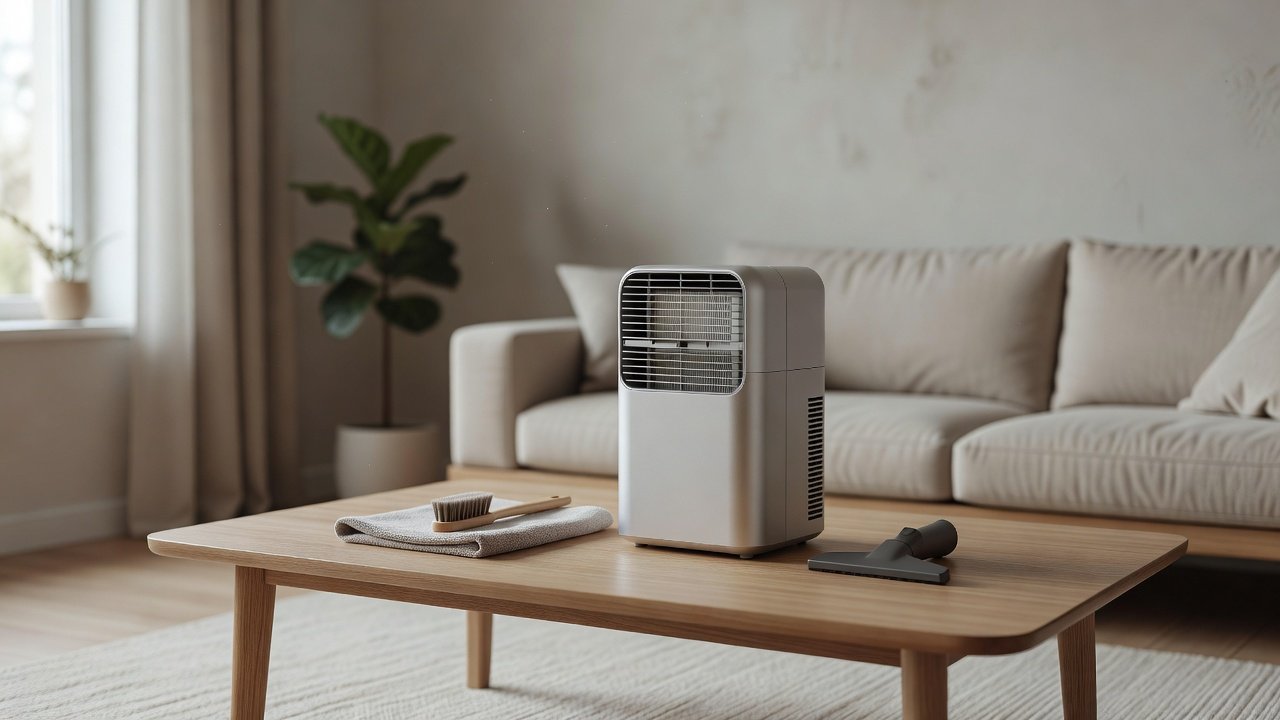
Brush dust from the intake and outlet with a soft brush and vacuum gently. Wipe the housing with a barely damp microfiber cloth and dry. Use a cotton swab for small crevices. Do not let moisture reach the connector, the fan or the control area.
Handle the Filter
If the filter is washable, rinse it as the manual allows and dry it fully. HEPA-type and carbon filters should be replaced rather than washed. Tap off loose dust over a bag. Replace the filter if it is damp, matted or past the replacement schedule. Heat in a parked car can speed the aging of some materials.
Reassemble and Test
Put the filter back in the right direction and close the housing. Plug the unit in and run it. Listen for rattles. Check that air flows from the outlet and that the indicator light works. Place the unit where it does not block your view, the controls or the airbags.
Heat, Sun and Moisture in a Car
Cars can reach high temperatures when parked in the sun, which can warp plastics and speed filter aging. Do not leave the unit on the dashboard in direct sun. Store it in the glove box or take it with you in extreme weather. Condensation can form in humid conditions, so let the unit dry and check the filter.
Odors in a Car
Smoke, food, pets and damp upholstery cause odors that a small purifier can only partly address. Clean the seats and carpets, remove trash, ventilate and replace the cabin air filter if it is old. A carbon layer in the purifier can help with some odors but must be replaced when saturated.
The Cabin Air Filter
Most vehicles have a cabin air filter that cleans the air entering the vehicle. It is usually behind the glove box or under the hood and is replaced at intervals given in the owner’s manual. A dirty cabin filter reduces airflow and can cause odors. Check the manual for the location and schedule.
Safe Placement
Place a portable purifier where it does not block your view, the controls, the gear shift or the airbags. Secure the cable so that it does not interfere with driving. Do not let it roll around. If you are not sure it is safe in a spot, do not use that spot.
Cleaning Schedule
Check the intake monthly and the filter every one to three months, depending on use. Replace filters on the schedule in the manual. Check the cabin filter yearly or as the owner’s manual states. In dusty areas or wildfire season, check more often.
How to Choose
- Check the unit’s size and power requirements
- Prefer replaceable filters with clear schedules
- Avoid ozone-producing or ionizer-only devices
- Compare filter costs and availability
Do
- Match the unit’s rated coverage to your room first
- Run it consistently, not only when the air feels bad
- Leave space around the unit for airflow
- Replace filters on the maker’s schedule
Don’t
- Do not buy on looks or price alone
- Do not block the intake or exhaust
- Do not skip filter changes
- Do not expect a purifier to fix every source of pollution
Honest Limits
- This guide uses manufacturer information and public guidance from the EPA and AHAM, not our own lab tests.
- Features and room ratings change between model years, so confirm on the listing before you buy.
- A purifier is not a medical device and does not replace medical advice or treatment.
Who Should Skip This
When to See a Professional
Frequently Asked Questions
Can I wash a car purifier filter?
Only if the manual says it is washable. HEPA and carbon filters are replaced.
How often should I clean it?
Check the intake monthly and the filter every one to three months.
Is it safe to leave in a hot car?
Heat can damage plastics and filters. Avoid direct sun and store it in a shaded spot.
What about the cabin air filter?
It is part of the vehicle and is replaced on the schedule in the owner’s manual.
Bottom Line
To clean a car air purifier, unplug it, brush and vacuum the intake, wipe the housing with a barely damp cloth, handle the filter according to its type and test it after reassembly. Keep electrical parts dry, avoid heat and ozone-producing features and replace filters on schedule. A car purifier supports, but does not replace, ventilation and a clean cabin.
Related reading: sens,fan,bed
Sources: EPA, Guide to Air Cleaners in the Home; AHAM Verifide.