Last updated:
Disclosure: As an Amazon Associate we earn from qualifying purchases. This does not change what we recommend. See our affiliate disclaimer.
If you already own an ozone air purifier, it is worth knowing how to handle it safely, and it is also worth knowing what health agencies say about this type of device. The U.S. Environmental Protection Agency advises against using ozone-generating air cleaners in occupied spaces, because ozone is a lung irritant and is not a proven way to clean indoor air. Because of that, we do not recommend ozone generators, and this guide focuses on safe handling and on safer alternatives.
We have not tested these products ourselves. Follow the manufacturer manual for any maintenance, and do not use an ozone generator in a space where people, pets or plants are present. If you are unsure whether your unit produces ozone, check the label and manual, and consider switching to a filter-based purifier.
If you keep your unit
- Unplug before any maintenance
- Keep people, pets and plants out of the room
- Ventilate before and after use
Safer approach
- Switch to a HEPA and carbon purifier
- Avoid ionizers and ozone generators
- Fix sources of odor and moisture
Key Takeaways
- The EPA advises against ozone-emitting air cleaners in occupied spaces
- Unplug and ventilate before maintenance, and keep people, pets and plants away
- Stop use if you smell ozone or notice irritation
- A HEPA and carbon purifier is the safer choice
Spotting Ozone Features in Marketing
Terms such as ionizer, plasma, cold catalyst, activated oxygen or negative ions can indicate a device that may emit some ozone. Check the manual and the product page for emission information and look for an option to switch the feature off. If the information is unclear, ask the manufacturer or choose a different model.
Ventilation as a Companion
No matter what purifier you use, fresh air helps. Open windows when outdoor conditions allow, use kitchen and bathroom exhaust fans and control moisture. These steps reduce pollutants and help keep indoor air comfortable without relying on a single device.
Protecting Sensitive People and Pets
Children, older adults, people with asthma or lung disease and small pets are often more sensitive to airborne irritants. Keep them away from any device that may emit ozone. If anyone in your household has a respiratory condition, ask a healthcare professional what is best for them.
Checklist for Current Owners
Is the unit labeled as an ozone generator or ionizer? Is anyone in the room when it runs? Is the room ventilated? Is the cord intact? Have you read the manual and the EPA guidance? Would a filter-based purifier suit your needs? Answering these helps you decide whether to keep or replace the device.
A Practical Replacement Plan
If you own an ozone device and decide to replace it, choose a filter-based purifier sized for the room, set it up where airflow is unobstructed and keep a filter log. Use the old unit only until the replacement arrives, and not while anyone is in the room. A smooth switch avoids a gap in air cleaning and removes the risks associated with ozone.
Understanding Claims You Might See
Marketing sometimes says that a device kills germs, eliminates all odors or cleans the air of every pollutant. Agencies such as the EPA note that ozone levels needed to affect pollutants can exceed safe limits for people. Treat bold claims with caution and check independent guidance before relying on them. Honest products explain what they do and what they do not do.
What Healthcare Professionals Suggest
If you have asthma, allergies or other respiratory concerns, discuss indoor air with your clinician. They may suggest controlling sources, keeping humidity moderate, using filter-based purifiers and ventilating. They are in the best position to advise on your specific needs, and a purifier is only one part of the plan.
Checking Your Unit Today
Look at the label and manual for words such as ozone generator, ionizer, plasma or activated oxygen. Search for the model on the manufacturer page. Check whether the unit lets you turn the feature off. If the information is unclear, assume it may emit ozone and keep it away from occupied rooms until you know more.
Filter-Based Air Purifiers to Consider
If you are replacing an ozone unit, these filter-based options come from the Hostinger affiliate plugin. Specs change by model year, so confirm that the product uses HEPA and carbon filters, check for any ionizer or ozone feature and review replacement costs on the product page.






What the EPA Says About Ozone Air Cleaners
The EPA states that ozone at levels that could be created by these devices can irritate the lungs and, at higher concentrations, can worsen conditions such as asthma. It also notes that ozone does not effectively remove most indoor pollutants at safe levels. For these reasons it advises against ozone-emitting air cleaners for use in occupied spaces. If a product is marketed as an ozone generator or ionizer-only cleaner, treat the claims with caution.
Because of this, the safest course is to avoid using such a device while anyone is in the room and to consider replacing it with a filter-based purifier.
Safe Maintenance Steps
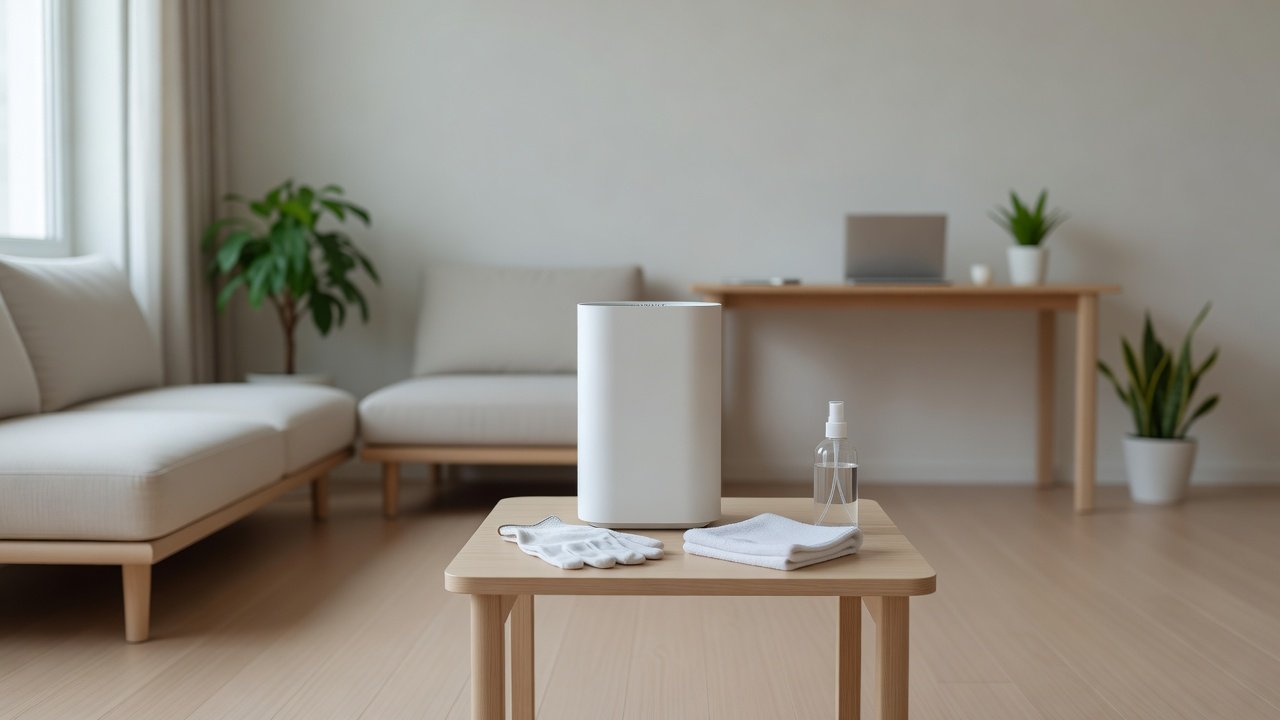
Unplug the unit and let it cool. Wipe the exterior with a barely damp cloth. If the unit has removable plates or cells, follow the manual exactly, since it may describe cleaning with a dry brush. Do not use water or cleaners on parts the manual says to keep dry. Check the cord and plug for damage. Do not open sealed modules.
Never run the unit while you work on it, and keep the room ventilated, since residual ozone may linger after use.
If You Smell Ozone
A sharp, chlorine-like smell near a unit can indicate ozone. Switch the unit off, open windows and leave the room for a while. If anyone has coughing, throat irritation or chest tightness, move to fresh air and seek medical advice if symptoms continue. Consider whether you want to keep using the device.
Storage and Disposal
If you decide to stop using the unit, clean it, dry it and store it in its box away from children. Check local rules for electronics disposal. Do not throw electronic devices in household trash if your area has e-waste recycling.
Safer Alternatives
A purifier with a true HEPA filter and, for odors, an activated carbon filter cleans the air by capturing particles and adsorbing some gases without deliberately producing ozone. Look for units that state they meet applicable emission standards, and check the product page for details. Choose a size suited to the room using the clean air delivery rate, about two-thirds of the floor area in square feet at standard ceiling heights.
Why Ozone Is a Concern Indoors
Ozone is a reactive gas. Indoors it can react with other chemicals to form byproducts, and it can irritate the airways. People with asthma and other respiratory conditions can be more sensitive. Because indoor spaces ventilate slowly, levels can build up in a closed room. These are reasons agencies recommend caution.
Ozone Generators Versus Filter-Based Purifiers
An ozone generator deliberately produces ozone. A filter-based purifier uses a fan to pull air through filters and, in good designs, does not add ozone. Some units combine filters with an ionizer, which can produce small amounts of ozone as a byproduct. If you want to avoid ozone, choose a unit without an ionizer feature or one that lets you switch it off.
Questions About Shock Treatment for Odors
Some products are marketed for shock treatment of odors in empty spaces. If you consider this, follow the manufacturer instructions precisely, keep people and pets away, ventilate thoroughly afterward and understand that it does not fix the source of the odor. Safer approaches to smoke, mold and pet smells start with cleaning the source and using a carbon-equipped purifier.
Maintenance Records and Limits
Keep the manual, purchase date and notes about maintenance. Note any smell, cough or irritation after use. If you notice any health symptoms, stop using the unit and talk to a healthcare professional. Do not run ozone devices in bedrooms, nurseries or small spaces.
Replacing an Ozone Unit
When you replace it, choose a purifier that clearly lists a HEPA filter, a carbon filter if odors are a concern and no ozone generation. Dispose of the old unit following local electronics recycling rules. Keep the manual of the new unit and follow the filter schedule.
How to Choose
- Choose HEPA and carbon filter designs
- Avoid ozone generators and ionizer-only devices
- Match the CADR to the room size
- Check the product page for ozone and emission information
Do
- Match the unit’s rated coverage to your room first
- Run it consistently, not only when the air feels bad
- Leave space around the unit for airflow
- Replace filters on the maker’s schedule
Don’t
- Do not buy on looks or price alone
- Do not block the intake or exhaust
- Do not skip filter changes
- Do not expect a purifier to fix every source of pollution
Honest Limits
- This guide uses manufacturer information and public guidance from the EPA and AHAM, not our own lab tests.
- Features and room ratings change between model years, so confirm on the listing before you buy.
- A purifier is not a medical device and does not replace medical advice or treatment.
Who Should Skip This
When to See a Professional
Frequently Asked Questions
Is an ozone air purifier safe to use?
The EPA advises against ozone-emitting air cleaners for occupied spaces because ozone can irritate the lungs.
How do I maintain an ozone generator?
Unplug it, follow the manual for cleaning, ventilate and keep people, pets and plants out of the room.
What should I use instead?
A filter-based purifier with HEPA and, for odors, carbon, sized to the room.
What if I smell ozone?
Switch it off, ventilate and leave the room. Seek medical advice if symptoms continue.
Bottom Line
Ozone air purifiers should not be used in occupied spaces, and the EPA advises against them. If you own one, unplug it before maintenance, keep people, pets and plants out of the room and ventilate. The safer choice is a filter-based purifier with HEPA and carbon, sized to the room.
Related reading: sens,fan,bed
Sources: EPA, Guide to Air Cleaners in the Home; AHAM Verifide.