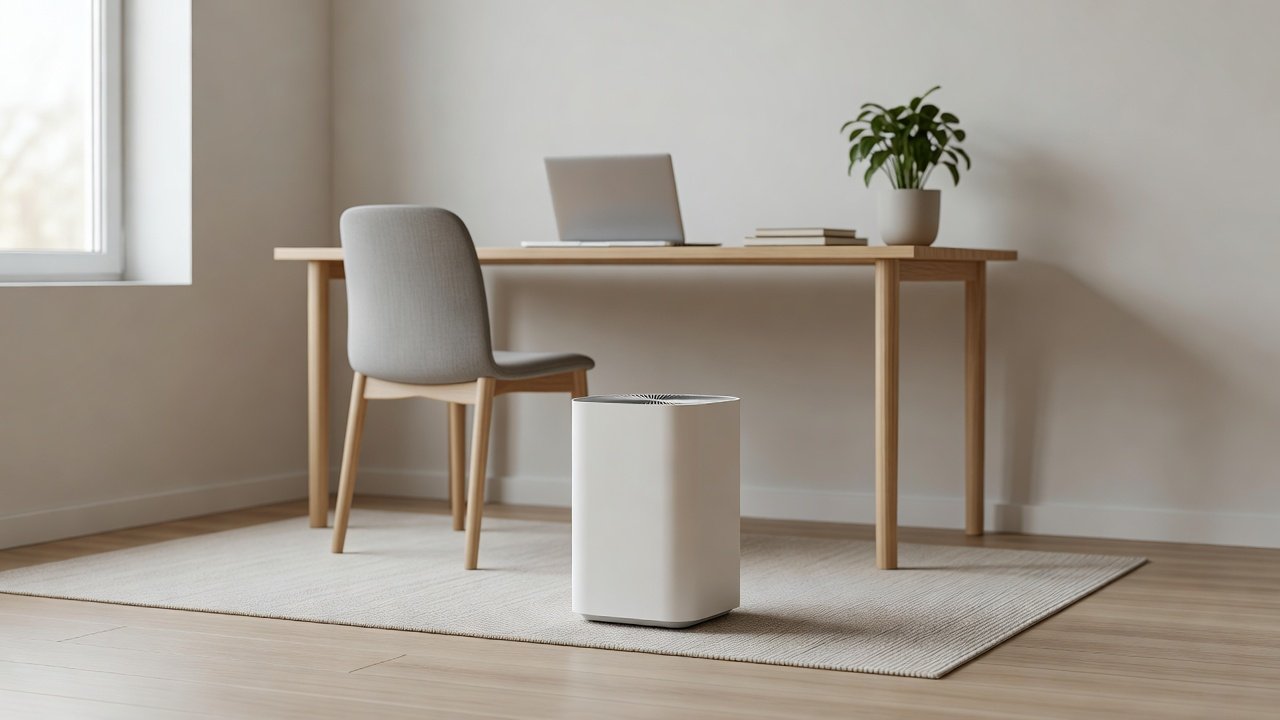
Guidelines for Good Indoor Air Quality in Office Premises
Practical guidelines for office indoor air quality: ventilation, HVAC maintenance, smoking policy, cleaning products, equipment placement, moisture control and how purifiers fit in.
Practical guidelines for office indoor air quality: ventilation, HVAC maintenance, smoking policy, cleaning products, equipment placement, moisture control and how purifiers fit in.
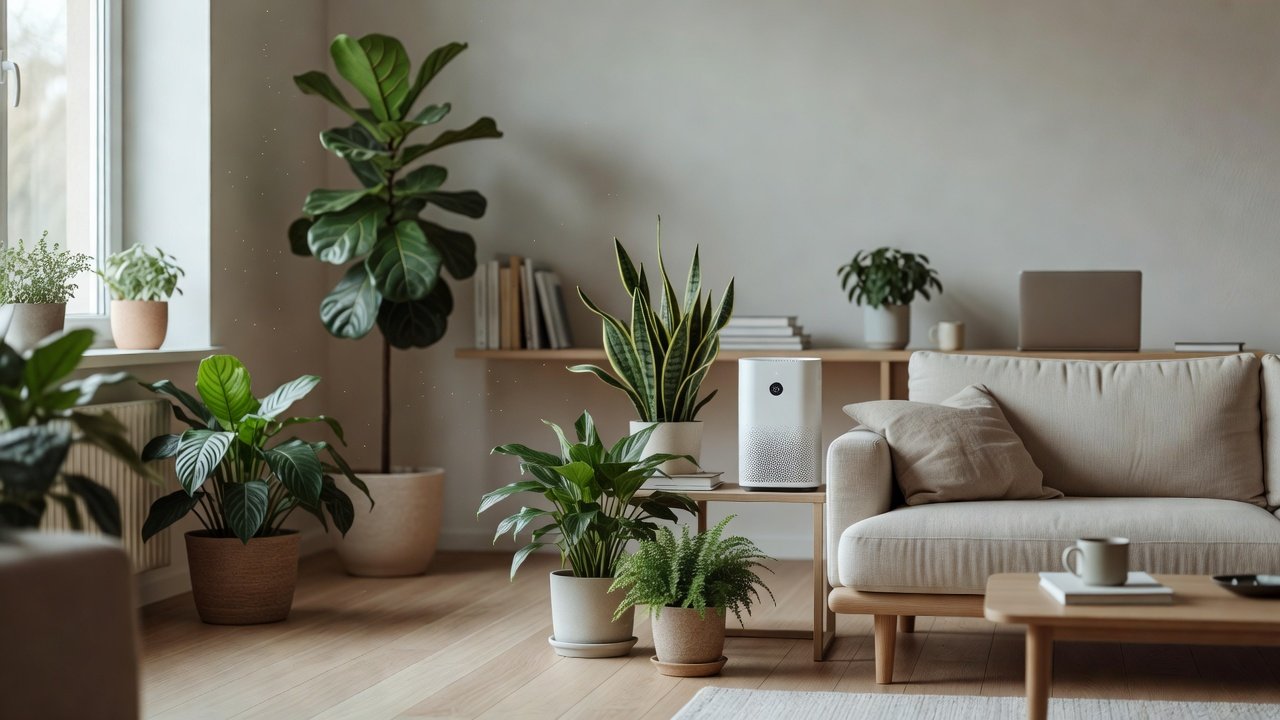
Houseplants are pleasant, but research suggests their effect on indoor air pollutants in real homes is small. Learn what studies found, risks like extra moisture, and more effective steps.

Poor indoor air can irritate eyes, nose and throat and worsen allergies and asthma. Learn possible causes, the difference between irritation and illness, and when to seek medical help.
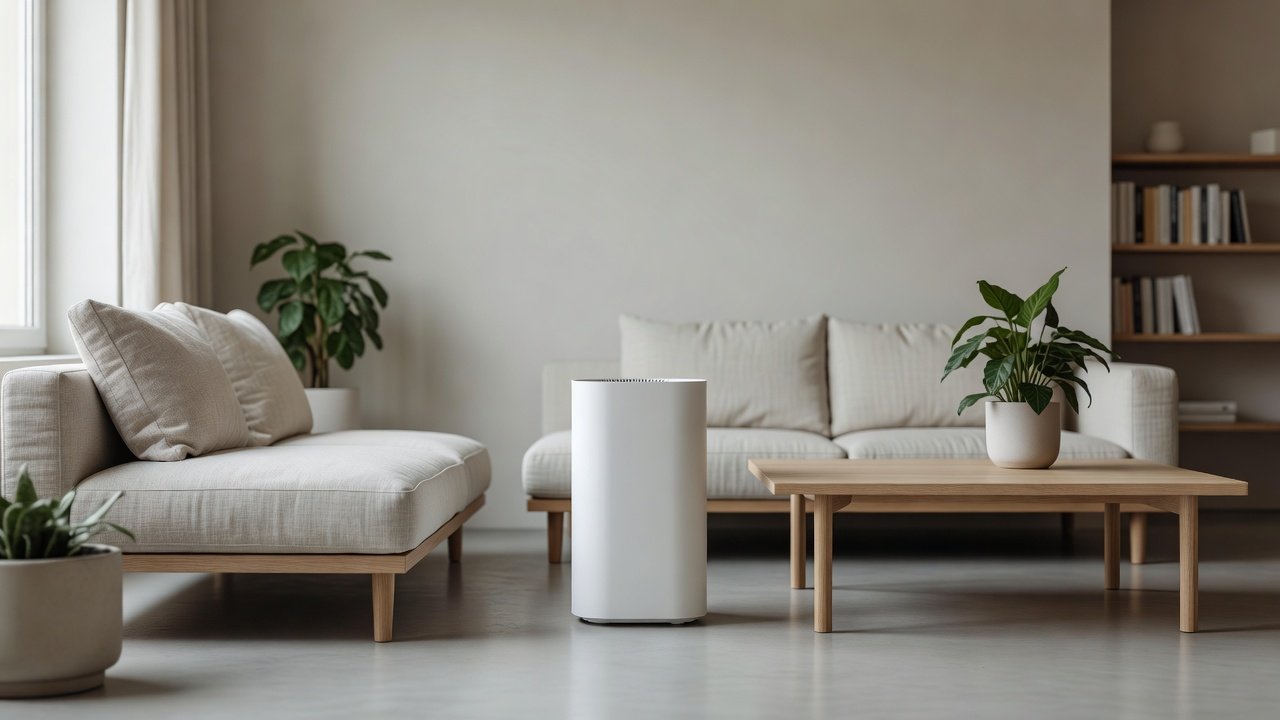
There is no single home air quality number, but several indicators help: humidity, carbon dioxide as a ventilation guide, particle levels, radon testing and carbon monoxide alarms. Learn what to check.
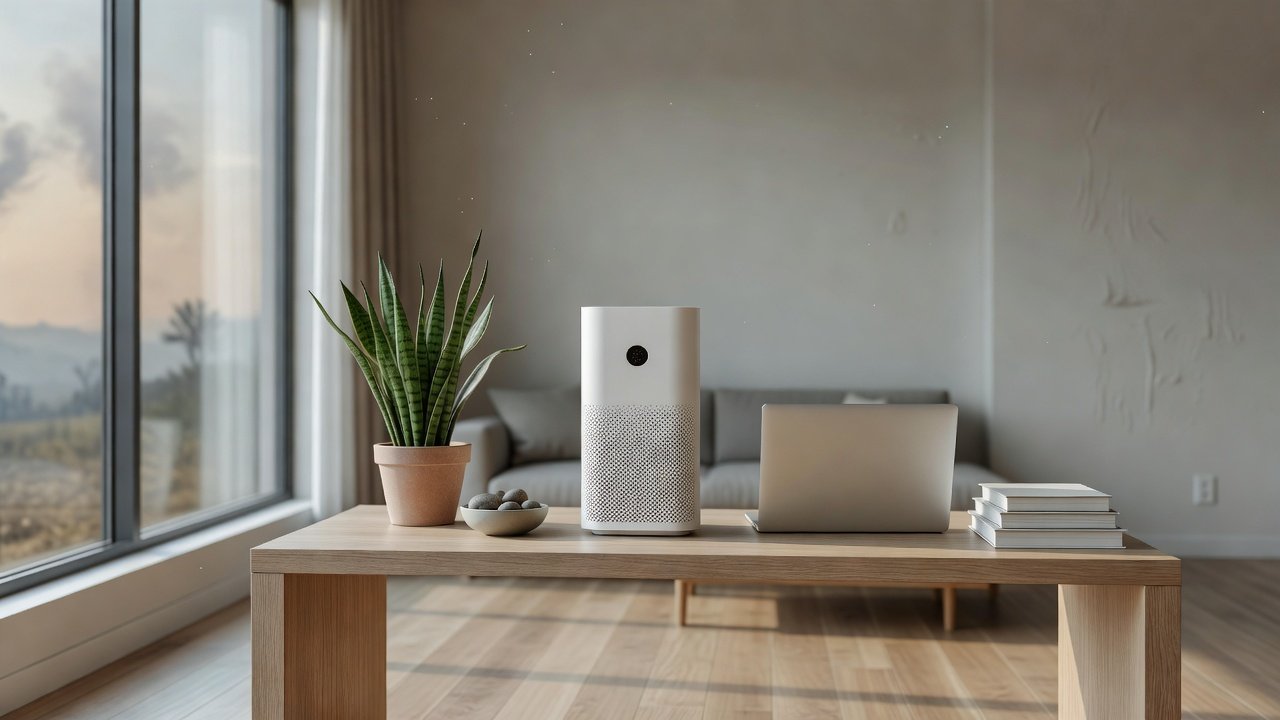
Wildfire smoke can enter homes. Keep windows closed, run a true HEPA purifier, use HVAC recirculation and a good filter, and set up a clean room. Practical steps. Not medical advice.
Improve indoor air quality on a budget: ventilate, control moisture, clean smartly, replace filters, stop indoor smoking and add a purifier only when needed. Practical low-cost steps.
Indoor air quality is shaped by pollution sources, ventilation, humidity and temperature, outdoor air and maintenance. Learn how each factor works and what you can change.
A complete guide to air purifiers: how HEPA and carbon filters work, CADR sizing, noise, maintenance, ozone risks, costs and how to choose the right unit for your home.