H13 vs H14 HEPA Filters: What Is the Difference?
H13 and H14 are European HEPA grades with different minimum efficiencies. Learn the difference, whether H14 matters at home and how it compares with true HEPA.
H13 and H14 are European HEPA grades with different minimum efficiencies. Learn the difference, whether H14 matters at home and how it compares with true HEPA.
A true HEPA filter is the standard choice for capturing fine particles at home. Learn when you need HEPA, when carbon matters more and why other technologies fall short.
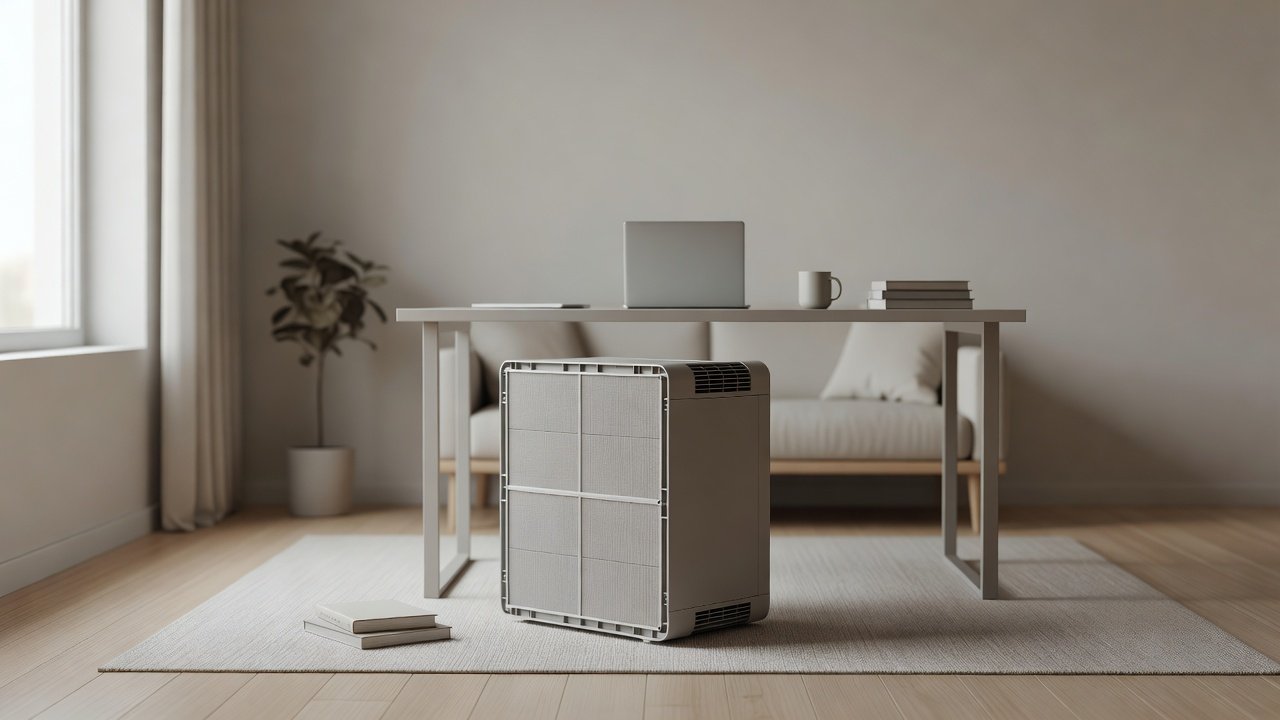
A box fan with a furnace filter can serve as a temporary air cleaner when smoke or pollen is high. Learn how it works, safety cautions, limits compared with true HEPA units and when to buy instead.
ULPA filters are more efficient than HEPA but are mostly used in cleanrooms. Learn the difference, trade-offs in airflow and cost, and what suits home air purifiers.
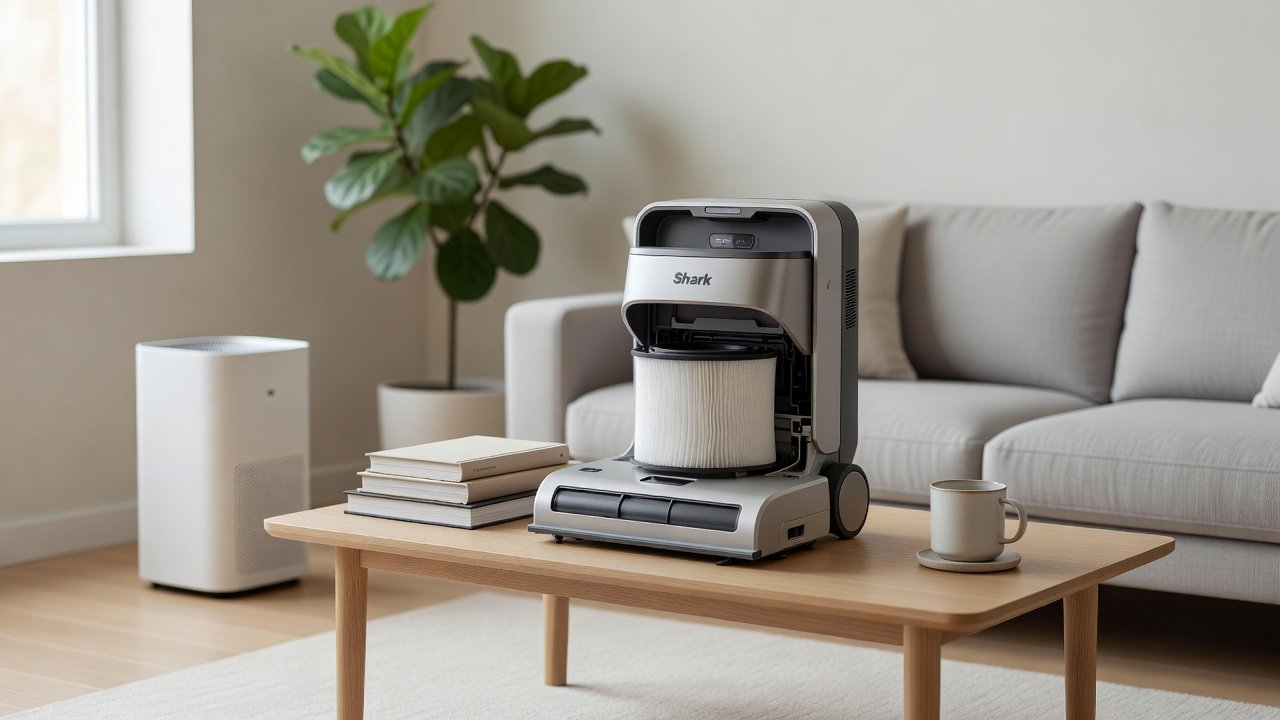
General guidance for removing the HEPA filter on a Shark Lift-Away vacuum: unplug, find the filter compartment per your manual, handle it carefully and replace or clean as directed. Check your model.
A neglected HEPA filter loses airflow, makes the fan work harder, may let odors return and reduces effectiveness. Learn the signs, risks and how to set a replacement schedule.
HEPA filter life varies by model, use and home conditions. Learn typical ranges, what shortens life, how to check and when to replace your filter.
Learn how to reset the filter indicator on a Germ Guardian air purifier after replacing the filter, what to try if the light stays on and why you should check the manual for your model.

Most true HEPA purifiers do not worsen asthma, but ozone-emitting and some ionizer devices can irritate airways. Learn what to avoid and how to choose a safer unit. Not medical advice.

Air purifiers filter airborne particles; dehumidifiers reduce moisture. Learn the difference, when each may help with asthma triggers and how to use both. Not medical advice.

Cats with asthma need veterinary care. An air purifier may reduce some airborne irritants such as dust, but it is not treatment. Learn what to ask your vet and how to reduce triggers.
A true HEPA purifier may capture airborne mold spores, but it does not stop mold growth. Learn what type to choose, why moisture control comes first and when to call a professional.
For odors, look for an air purifier with a substantial activated carbon filter, not just a thin carbon layer. Learn what to check, what HEPA does not do and how to maintain it.

Air purifiers can reduce airborne particles, dust, pollen and some odors, but they have limits. Learn the real advantages, who may benefit most and what to check before buying.
Air purifiers have drawbacks: filter costs, noise, electricity use, limited coverage and ozone risks with some types. Learn the real downsides and how to minimize them.
Learn the main types of air purifiers: HEPA, activated carbon, UV, ionizers and ozone generators. See how each works, strengths, limits and which to choose or avoid.

For cigarette smoke, combine a high-CADR true HEPA filter with a substantial activated carbon filter. Learn what purifiers can and cannot do, and why ventilation and quitting resources matter.
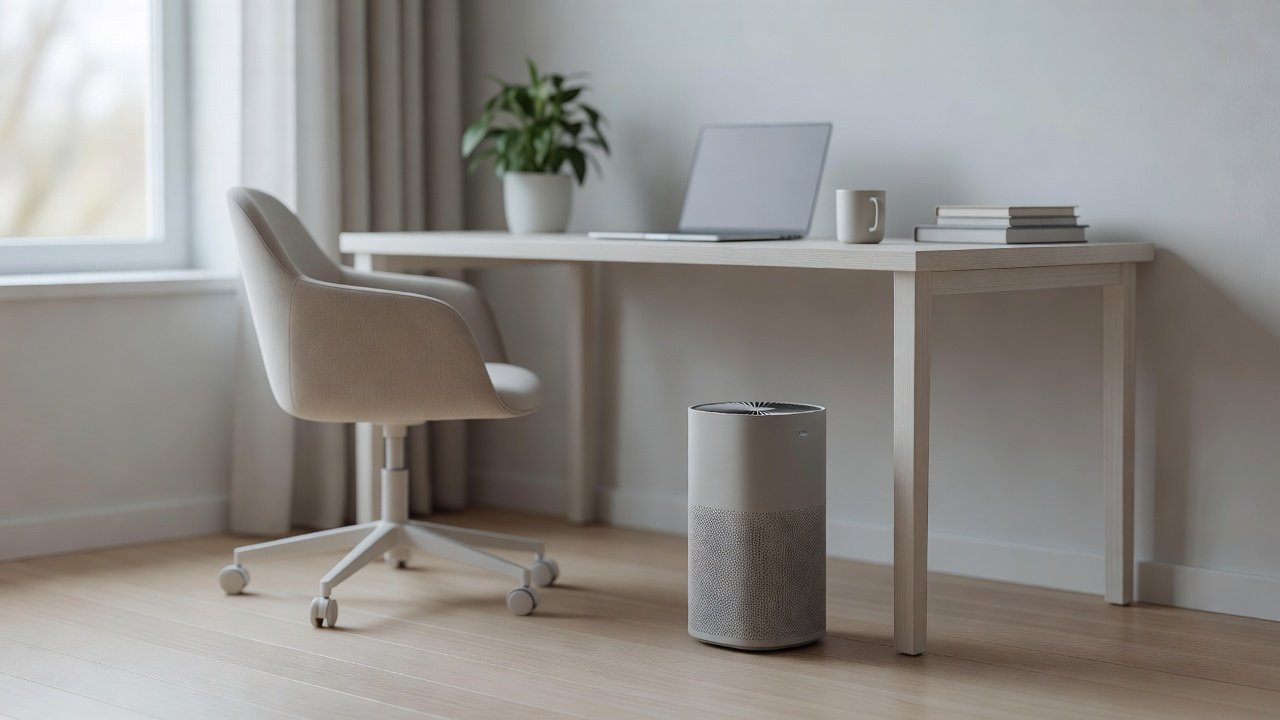
Is an air purifier worth it? Weigh filter costs, noise and electricity against reduced airborne particles and odors. See who benefits most and how to decide.
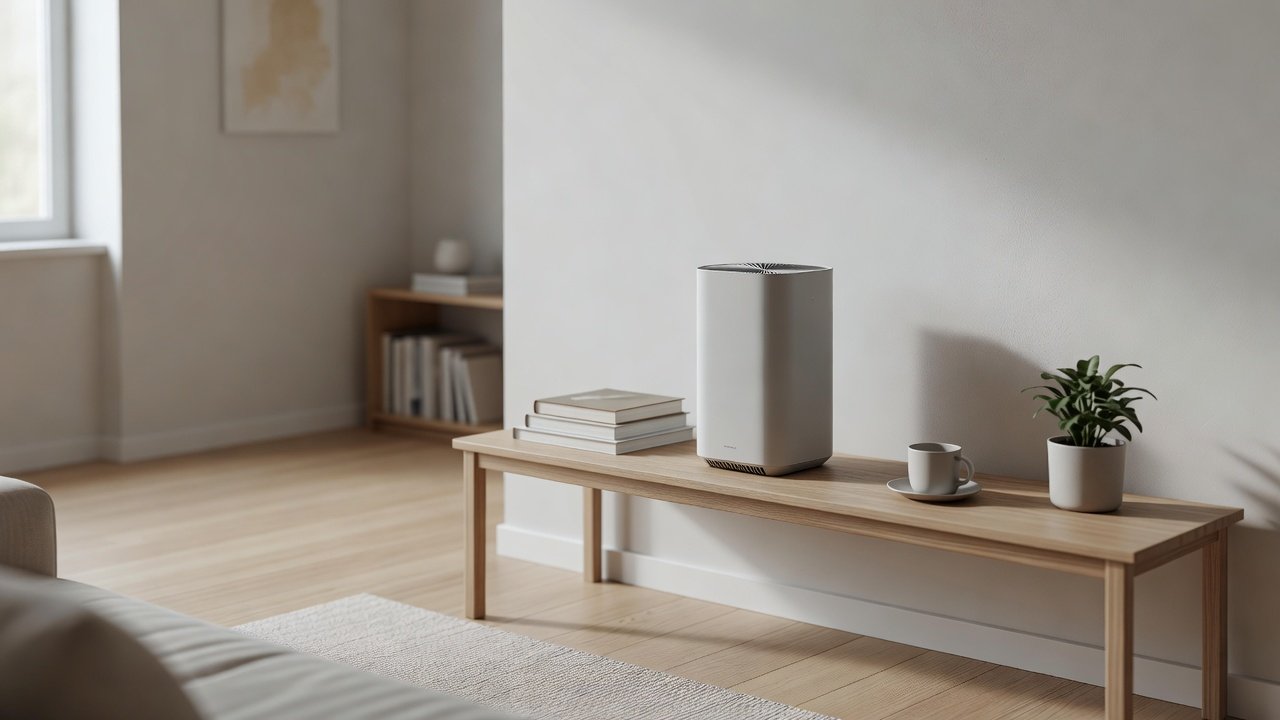
Get the most from an air purifier: choose the right room, place it with clearance, run it continuously on a suitable speed, keep doors closed and maintain filters.
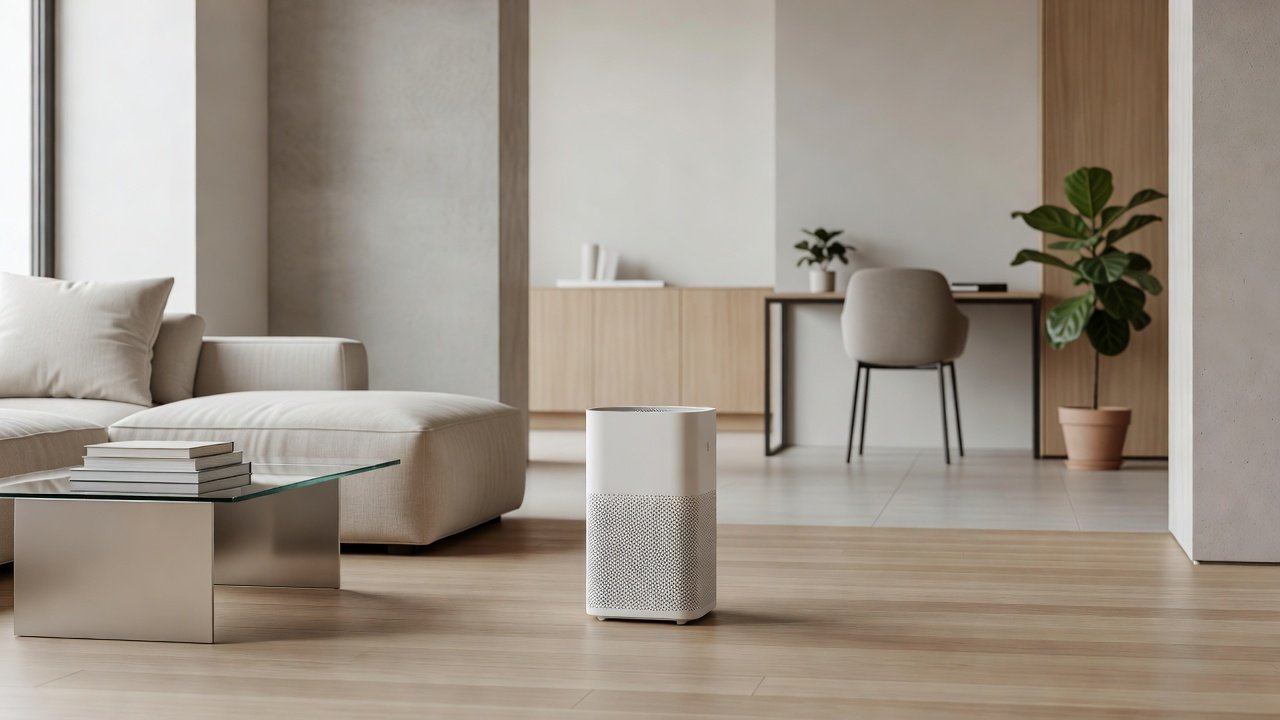
How many air purifiers do you need? It depends on room sizes, CADR, layout and goals. Learn to size by room, handle open spaces and prioritize bedrooms.
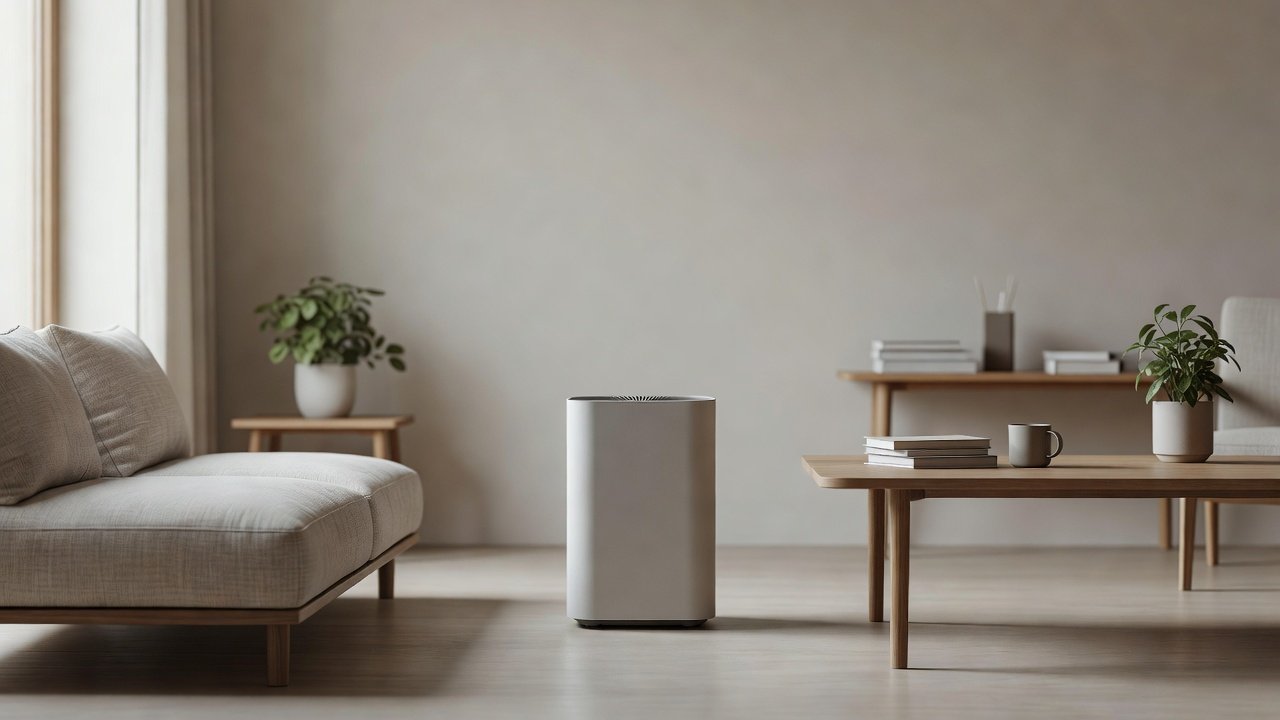
Filterless air purifiers include ionizers and electrostatic precipitators. Learn how they work, their trade-offs, ozone concerns and why most buyers are better served by true HEPA.
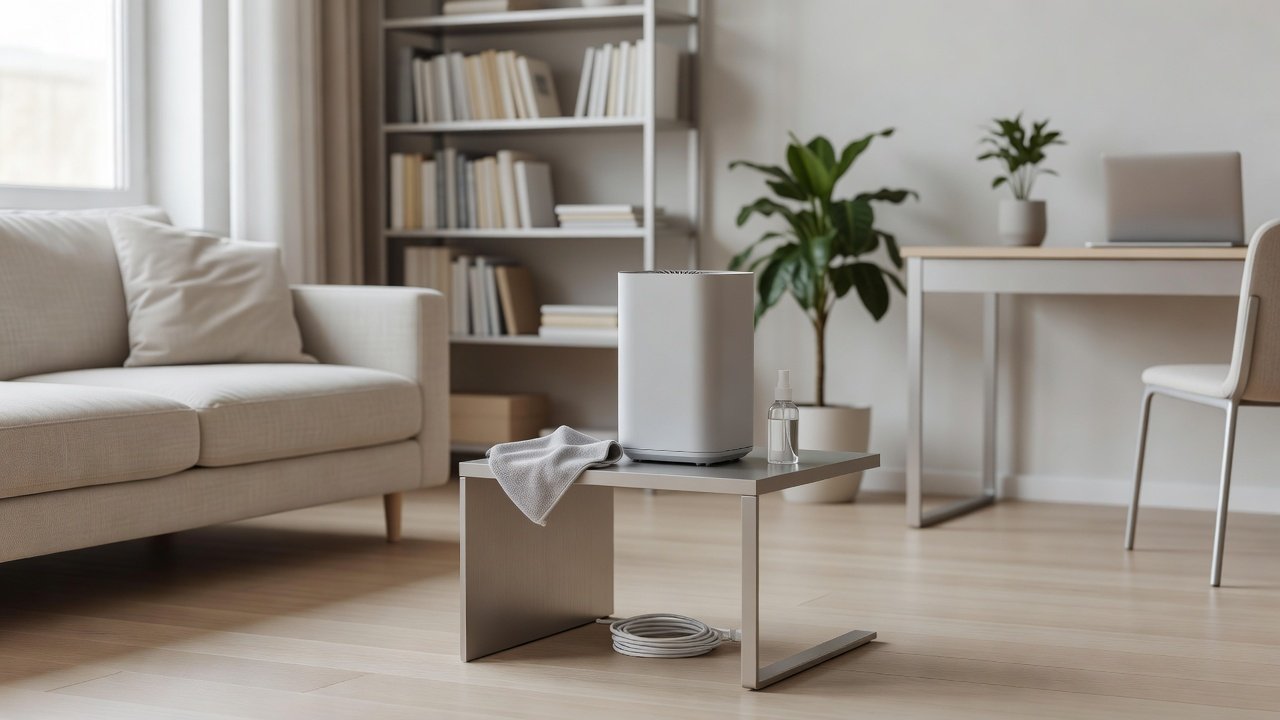
Keep your air purifier working well with a simple maintenance checklist: clean pre-filters, check indicators, replace HEPA and carbon filters, clean sensors and exteriors.
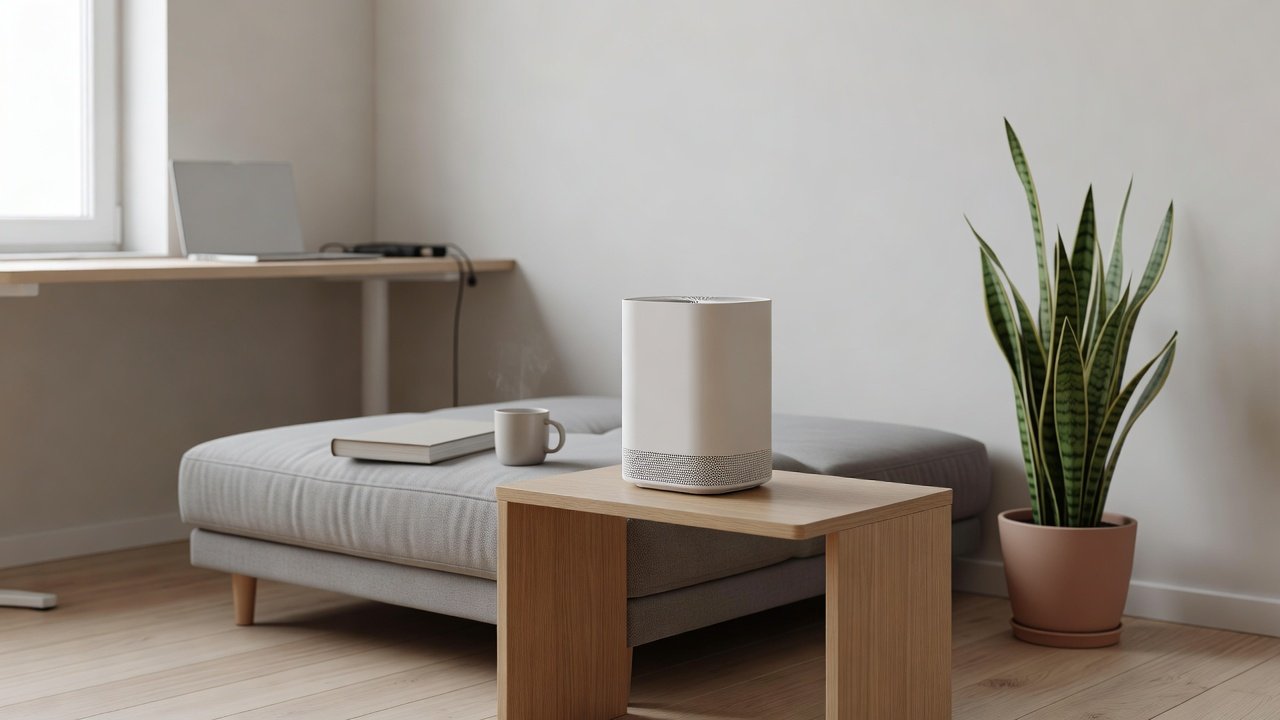
If your air purifier is not working, check power, filter installation, indicators, sensors and airflow. Learn safe troubleshooting steps and when to contact the manufacturer.
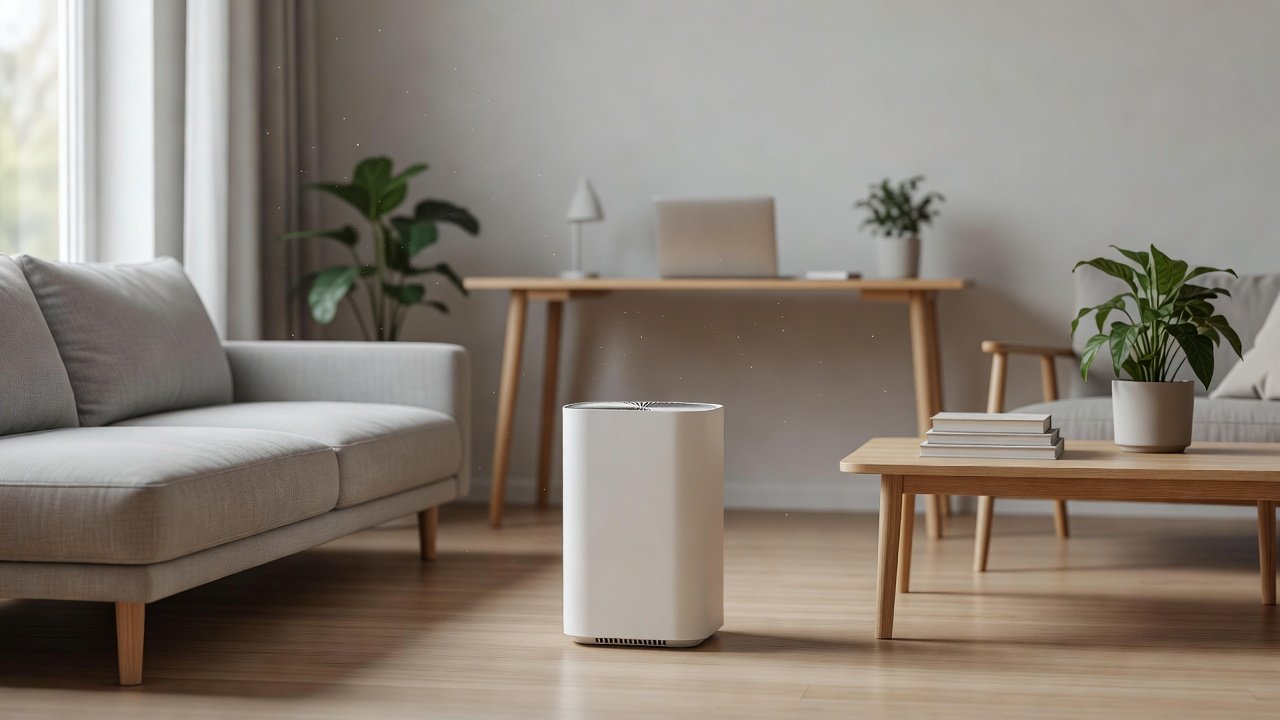
Air purifiers capture airborne particles with HEPA and some gases and odors with carbon. They do not clean surfaces or remove everything. Learn what is and is not removed.
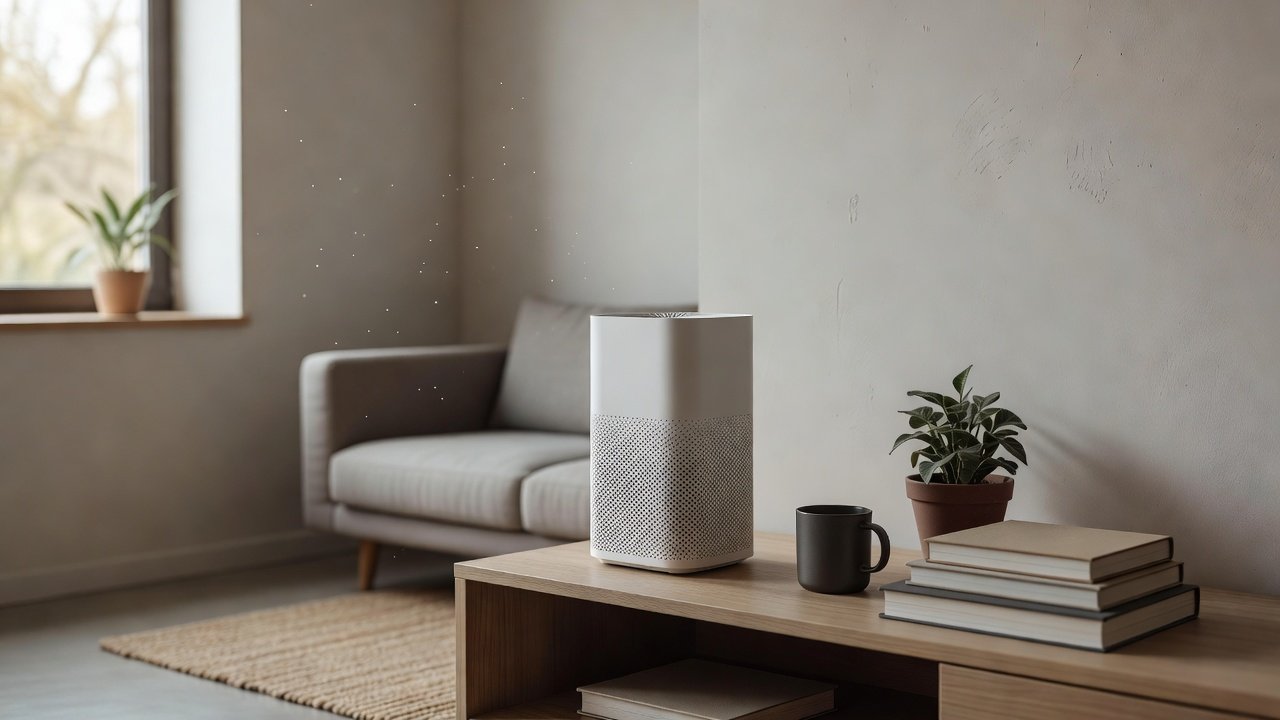
Plan the yearly cost of an air purifier: replacement HEPA and carbon filters, electricity and pre-filter care. Learn how to estimate and reduce running costs.
Air purifiers capture airborne dust, but settled dust on surfaces still needs cleaning. Learn what to expect, how to size a unit and how to reduce dust at the source.

A single portable air purifier generally cleans one room or open area, not a whole house. Learn realistic coverage, CADR sizing, open layouts and whole-home options.
Home air quality testing ranges from low-cost radon kits and monitors to professional inspections. Learn what affects the price, what each test measures and how to get quotes.

Indoor and outdoor air pollution have different sources, pollutants and fixes. Learn how they interact, why indoor air can be worse, and how to reduce both.
Learn the warning signs of poor indoor air quality, such as musty odors, condensation, dust and stuffiness, plus simple tests and when to call a professional. Not medical advice.