Last updated:
As an Amazon Associate we earn from qualifying purchases. This does not change what we recommend. See our affiliate disclaimer.
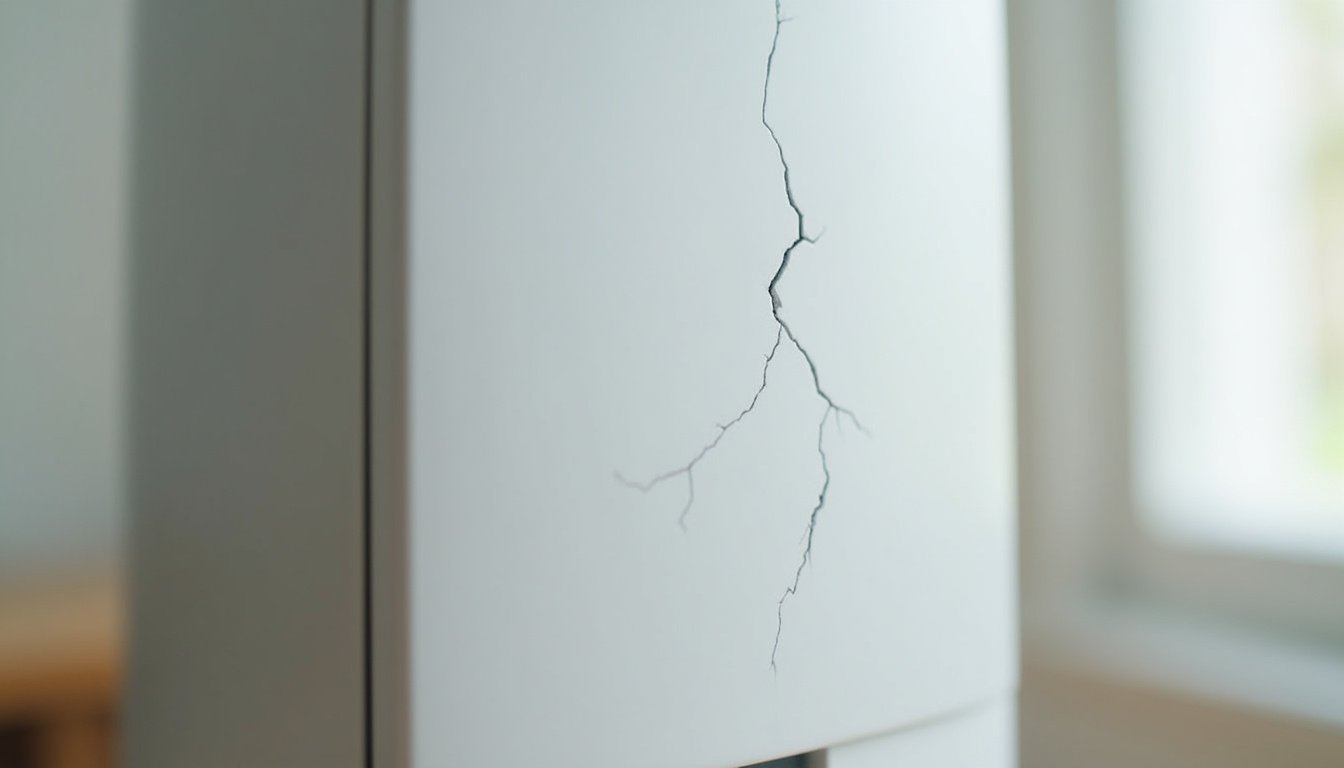
A purifier that has been knocked off a shelf, caught by a vacuum cleaner or tipped by a toddler often comes away with a crack. Sometimes it is a hairline on a corner nobody will see; sometimes a panel is split along a seam and the cover no longer sits flat. The question is whether the unit is still safe to run and still able to seal its filter.
A cracked air purifier housing is a safety question first and a performance question second. Unplug it and check three things. If the crack is near the power cord entry, the controls, the motor area or any vent that exposes wiring or circuit boards, or if the cover no longer latches so the safety switch cannot be trusted to stop the fan, the unit should not run again until the maker has assessed it. If the crack runs through or near the filter bay rim, the filter can no longer seal and air will bypass it. If the crack is a cosmetic split on a decorative panel, base trim or a corner away from electrics and the filter seal, the unit is usually safe to keep using. Covers, grilles and some outer panels are commonly sold by makers and replaced without tools; the main housing is not, and tape, glue and plastic welding are not appropriate repairs for a mains-powered appliance with moving parts.
In short: unplug, locate the crack, decide whether it touches electrics, the safety switch or the filter seal, replace the part if the maker sells it, and retire a unit whose main housing is split near anything that matters.
Maker manuals are consistent that a purifier with a damaged housing, exposed wiring or a non-functioning cover switch should be unplugged and the maker contacted, and that owners should not open the housing beyond the filter compartment. The EPA notes that performance depends on the filter being properly sealed, which a cracked bay rim defeats.
This guide is research-based, drawn from maker manuals, the structure of common purifier housings and EPA guidance. We have not tested the units in the comparison table and quote no prices or ratings. Nothing here involves repairing the housing or working near wiring.
Usually safe to keep using if
- The crack is a hairline on a decorative panel, corner or base trim
- It is well away from the cord entry, controls, motor vents and filter bay rim
- The cover still latches flat and the safety switch still stops the fan when the cover is opened
- The filter still seats flush against an intact gasket
Stop using it and contact the maker if
- The crack exposes wiring, a circuit board or the motor
- It runs through the cord entry, control panel or any vent
- The cover will not latch, or the fan keeps running with the cover off
- The filter bay rim is split so the filter cannot seal, and the maker does not sell the part
Key Takeaways
- Unplug before inspecting any crack; the fan can start if a switch is bypassed.
- Cracks near the cord entry, controls, motor or any vent that exposes electrics mean stop using the unit.
- A cover that no longer latches cannot be trusted to stop the fan; that is a safety switch failure.
- A crack through the filter bay rim breaks the filter seal and lets air bypass the HEPA media.
- Cosmetic cracks on trim and decorative panels away from electrics and the seal are usually harmless.
- Covers, grilles and some panels are maker parts replaced without tools; the main housing is not.
- Tape, glue and plastic welding are not repairs for a mains-powered appliance with moving parts.
Sturdy Filter-Based Purifiers to Compare
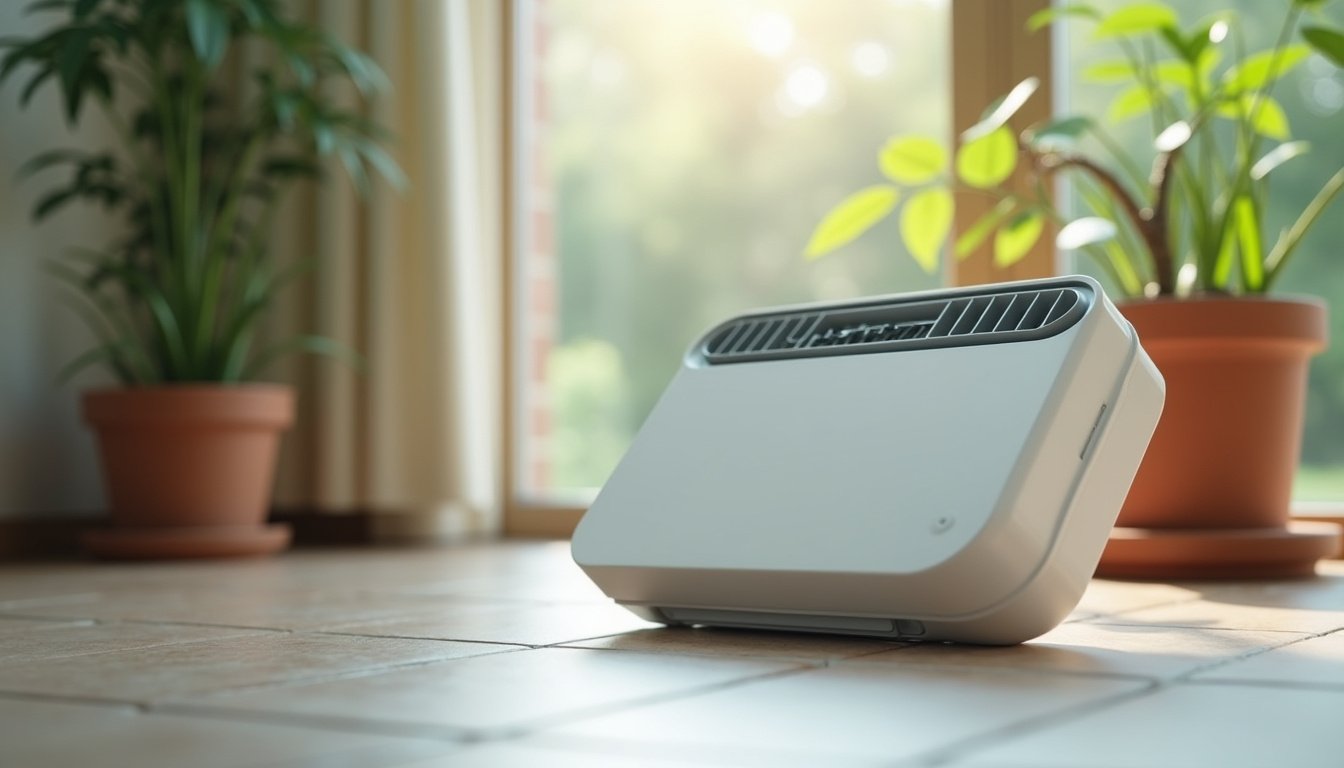
If the crack ends the unit’s life, these widely reviewed filter-based models have stable bases, gasketed filter bays and makers with established parts supply. Compare the maker-listed CADR against your room and favor low, wide units in homes with children or pets.






How This Guide Weighs a Crack
We separated a purifier into the zones that matter for safety, the zones that matter for filtration and the zones that are purely cosmetic, drawing on maker manuals and the way common housings are built. We then set out checks an owner can make from the outside and from inside the filter bay only. Product details in the table come from maker specifications.
The underlying rule is that a purifier is a mains-powered appliance with a fan. Its housing is there to keep fingers out, keep wiring in and seal the filter. A crack is judged by which of those jobs it compromises.
First Steps Before Anything Else
- Unplug the unit. Do not test it on the shelf where it fell.
- Look for any sign of electrical damage: a cord pinched or cut at the entry, a bent plug, scorch marks, a smell of hot plastic.
- Check whether the unit fell on its controls or cord side; those are the areas of concern.
- Set it upright on a firm surface and look at every face in good light; cracks on dark housings hide in shadows.
- Open the filter compartment and inspect the bay rim and gasket for splits or displaced sections.
- Check that the filters are intact and still seated; a fall can jar a filter off its gasket.
Where the Crack Is Decides Everything
| Zone | What is behind it | Crack here means | Action |
|---|---|---|---|
| Cord entry and plug area | Mains wiring, strain relief | Possible wiring damage | Stop; contact the maker; retire if out of warranty |
| Control panel and display | Circuit board, buttons | Board damage, exposed electronics | Stop; contact the maker |
| Motor area and motor vents | Motor, wiring, capacitors | Exposed live parts, cooling compromised | Stop; contact the maker |
| Filter bay rim and gasket channel | The filter seal | Air bypasses the filter | Replace the housing part if sold; otherwise retire |
| Cover, back panel, filter door | Safety switch, filter pressure | Switch may not engage; filter may not seal | Maker replacement cover; do not run with a propped cover |
| Outlet grille or louvers | Nothing electrical | Cosmetic unless fins block or fall into the fan | Maker part; remove loose fins meanwhile |
| Base, feet, decorative trim | Nothing | Cosmetic; stability if feet are gone | Keep using; replace feet if the unit rocks |
| Corner or side panel away from the above | Usually nothing | Cosmetic | Keep using; monitor |
The Cover Switch Test
Most purifiers have a small switch that the cover or filter door presses when closed, so the fan cannot run with the cover off and blades exposed. A cracked or warped cover may close but not press the switch, in which case the unit will not start, or may press it while leaving a gap, in which case the unit runs with the filter unsealed. A cracked housing near the switch can leave it stuck pressed, in which case the fan runs with the cover off.
- With the unit unplugged, close the cover and check that it latches flat with a click and that no edge stands proud.
- Plug in and switch on at a low speed.
- Open the cover slowly. The fan should stop immediately as the cover releases the switch.
- If the fan keeps running with the cover open, unplug at once; the safety switch is bypassed and the unit should not be used until the maker has repaired or replaced it.
- If the unit will not start with the cover closed, the cover is not engaging the switch; a maker replacement cover is the fix, not a wedge or tape.
A working switch, a cover that latches flat and a filter that seals are the three things that make a cracked unit acceptable to keep using when the crack is elsewhere.
The Filter Seal Check
A crack through the filter bay rim or the channel that holds the gasket means the filter can no longer press evenly against its seal, and HEPA media offers so much resistance that air floods any gap. The unit will run and sound normal while doing little. Inspect the rim with the filter out: a split, a missing chip or a gasket that has lost its channel on one side all break the seal.
Fit the filter and close the cover, then run on high and hold a tissue near the cover seams and the crack; flutter marks a leak. After a few days of use, look at the clean side of the filter; a gray streak at the crack confirms bypass. If the maker sells the housing part or a new cover that carries the gasket, replacing it restores the seal. If not, the unit’s useful life is over, since a purifier that bypasses its filter is a fan.
Cracks That Are Only Cosmetic
Decorative outer panels, base trim, feet, carry handles and corners away from the cord, controls, motor and filter bay are structural in the loosest sense; they keep the unit looking tidy and sometimes standing level. A hairline or even an open crack there is unsightly but harmless, provided nothing behind it is exposed and the unit still sits stable. Many makers sell feet and trim pieces; otherwise the crack can simply be left.
- Confirm nothing electrical sits behind the cracked panel by checking the manual’s diagram.
- Check that no loose fragment can fall into the fan or intake; remove any loose pieces.
- Set the unit on a firm, level surface; if it rocks because a foot broke, replace the foot or set it on a stable mat.
- Keep an eye on the crack; if it spreads toward the cord entry or filter bay, reassess.
- Keep small children and pets away from any sharp edge until it is replaced or smoothed by the maker’s part.
| Cosmetic crack location | Keep using? | Optional part |
|---|---|---|
| Base trim or skirt | Yes | Trim piece if sold |
| Foot or caster broken off | Yes, if the unit sits level | Foot or caster |
| Carry handle | Yes; carry by the base instead | Handle if sold |
| Corner of a side panel, nothing behind | Yes; monitor for spreading | Panel if sold |
| Outlet grille fin | Yes, after removing loose fins | Grille ring |
What Makers Replace and What They Do Not
| Part | Commonly sold or supplied | Owner fit without tools? | Notes |
|---|---|---|---|
| Filter cover or back panel | Yes, many makers | Yes | Carries the safety switch tab; must be the exact part |
| Outlet grille or louver ring | Often | Yes, snap-on | Remove loose fins meanwhile |
| Feet, casters, base trim | Often | Yes | Cosmetic and stability |
| Remote and small accessories | Yes | Yes | Not related to cracks |
| Main housing shell | Rarely | No | Usually means replacement under warranty or retirement |
| Control panel, board, motor | No | No | Maker service or replacement |
Contact the maker with the model number and photos of the crack. Units under warranty are typically replaced for structural damage that affects safety or sealing, though accidental damage may be excluded; out of warranty, a replacement cover or grille is often inexpensive, while a split main housing usually means a new unit.
Why Tape, Glue and Welding Are Not the Answer
Household repairs that work on a plant pot do not belong on a purifier. Tape over a crack near wiring hides heat and does nothing for exposed conductors. Glue and epoxy can fail under the constant vibration of a fan, can block cooling vents and can foul the gasket channel so the filter never seals again. Plastic welding on an appliance housing can weaken the material further and void any remaining warranty. A propped or taped cover defeats the safety switch, which exists to keep fingers away from blades.
The honest options are three: replace the part if the maker sells it, continue using the unit if the crack is cosmetic, or retire the unit if the crack compromises safety or sealing and no part is available.
Preventing the Next Crack
Most housing cracks come from falls and knocks. Tall tower units on carpet are easy to tip; shelf placements end badly when a cord is tugged. Give the unit a firm, level spot on the floor or a low, wide stand, route the cord along a wall where it cannot be caught by feet or a vacuum, and keep it a foot from furniture that gets moved. In homes with toddlers or large dogs, a low, wide unit or a corner placement behind a piece of furniture that still leaves clearance reduces the risk.
When moving a unit, carry it by its handle or base with both hands rather than by the cover, which is often the weakest part, and take the filters out first if it is heavy. Worked example: a tower unit cracked at its base after being pulled off a nightstand by its cord. The crack was on the base trim, away from the cord entry and filter bay; the cover latched, the fan stopped when it was opened, and the filter stayed white on its clean side a week later. The owner replaced the base foot from the maker, moved the unit to the floor and routed the cord behind the nightstand.
If the Unit Is Finished
A purifier retired for a split housing near electrics is an electrical appliance and should go to an e-waste or small appliance recycling point rather than household trash where local rules require it; many retailers and municipalities take them. Remove and discard the filters separately, bagging them to contain dust. If the unit was under warranty, follow the maker’s return process first, since they may want it back.
Choosing the replacement, favor a low, wide design with a gasketed filter bay, a sturdy cover latch and a maker that sells covers and grilles, and size it by AHAM’s rule of a dust CADR of about two-thirds of the room’s floor area so it runs on a quiet speed in its new, safer spot.
How to Handle a Cracked Housing in 6 Steps
- Unplug the unit and look for any electrical sign: pinched cord, bent plug, scorch marks, hot plastic smell.
- Locate the crack and identify its zone: cord entry, controls or motor; filter bay rim or cover; or cosmetic trim.
- For cracks near electrics, stop and contact the maker; do not plug the unit in.
- For cover or bay cracks, test the cover switch and the filter seal; order the maker’s part if sold, and do not run the unit with a propped cover.
- For cosmetic cracks, confirm nothing is exposed, remove loose fragments, ensure the unit sits stable and keep using it.
- Prevent the next one: floor or low stand placement, cord routed along a wall, carried by the base.
Do and Do Not
Do
- Unplug before inspecting.
- Test that the fan stops when the cover opens.
- Check the clean side of the filter for bypass after a week.
- Order exact maker parts for covers and grilles.
- Recycle a retired unit as e-waste.
Do not
- Do not tape, glue or weld a cracked housing.
- Do not prop or tape a cover shut.
- Do not run a unit with exposed wiring or boards.
- Do not plug in a unit that fell on its controls or cord side before inspecting.
- Do not leave sharp fragments within reach of children or pets.
Who Should Skip This
If the crack is on trim, a foot or a far corner, nothing is exposed, the cover latches, the fan stops when it opens and the filter stays white on its clean side, skip the worry. Replace the trim if you like and keep using the unit.
If the crack exposes wiring or a board, runs through the cord entry or control panel, or the fan keeps running with the cover off, skip every other check. Unplug it, do not use it again and contact the maker; out of warranty, retire and recycle it.
Honest Limits
- Internal damage from a fall may not show outside; any electrical symptom overrides a clean-looking housing.
- Housing layouts differ; the manual’s diagram shows what sits behind each panel.
- Warranties often exclude accidental damage, though makers may still sell the part.
- A replaced cover restores the seal only if the bay rim is intact.
- Cosmetic cracks can spread under vibration; recheck them periodically.
- Nothing here applies to internal repairs, which are not owner serviceable.
When to See a Professional
Contact the maker for any crack near the cord entry, controls, motor or a vent, for a cover that will not latch or a fan that runs with the cover off, and for replacement covers, grilles and feet; stop using the unit for the safety cases. An electrician should check an outlet if the plug was damaged in the fall.
Seek medical care for any cut from a sharp fragment that is deep or will not stop bleeding, and keep children and pets away from broken edges. Nothing on this page is medical advice.
Frequently Asked Questions
Is it safe to use an air purifier with a cracked housing?
It depends on location. A cosmetic crack on trim, a foot or a far corner is usually fine. A crack near the cord entry, controls, motor or a vent, or one that stops the cover latching or lets the fan run with the cover off, means unplug the unit and call the maker.
How do I check the safety switch after a crack?
Unplug, close the cover and confirm it latches flat with a click. Plug in, run on low, then open the cover slowly; the fan should stop at once. If it keeps running, the switch is bypassed and the unit must not be used. If it will not start when closed, the cover misses the switch.
Can I glue or tape a cracked air purifier?
No. Tape near wiring hides heat and protects nothing; glue and epoxy fail under fan vibration, can block cooling vents and can foul the gasket so the filter never seals; a taped cover defeats the safety switch. Replace the part if the maker sells it, or retire the unit.
Does a crack affect how well the purifier cleans?
It does if it runs through or near the filter bay rim or the gasket channel, because the filter can no longer seal and air bypasses the HEPA media. Check the clean side of the filter after a week; a gray streak at the crack confirms bypass. Cracks elsewhere do not affect filtration.
Can I get a replacement cover or panel for my purifier?
Often, yes. Many makers sell filter covers, back panels, outlet grilles, feet and trim, and they fit without tools. The main housing shell is rarely sold; a split there usually means replacement under warranty or retiring the unit. Contact the maker with the model number and photos.
My purifier fell but I cannot see a crack. Is it fine?
Unplug and check for a pinched cord, bent plug, hot plastic smell or a changed fan sound before plugging it back in, and open the filter bay to confirm the filter is still seated. If it runs normally, the fan stops when the cover opens and nothing smells or rattles, it is likely fine.
The fan keeps running with the cover off since the fall. What now?
Unplug immediately. The safety switch is stuck or bypassed, which leaves blades exposed whenever the cover is removed. This is not an owner repair. Contact the maker; under warranty the unit is usually replaced, and out of warranty it should be retired and recycled.
Will the warranty cover a cracked housing?
Structural failures are typically covered; accidental damage from drops often is not, but makers may still sell the cover or grille at modest cost or replace the unit at their discretion. Contact them with photos and the purchase date before assuming either way.
What should I do with a purifier I have to retire?
Remove and bag the filters for the trash, then take the unit to an e-waste or small appliance recycling point where local rules require it; many retailers and municipalities accept them. If it was under warranty, follow the maker’s return process first, since they may want it back.
How do I stop a purifier getting cracked again?
Place it on the floor or a low, wide stand rather than a shelf, route the cord along a wall away from feet and vacuums, keep a foot of clearance from furniture that moves, carry it by the base with both hands, and in homes with toddlers or large dogs choose a low, wide design.
Bottom Line
A cracked air purifier housing is judged by location, not by looks. A crack near the cord entry, controls, motor or any vent, or one that stops the cover latching or lets the fan run with the cover off, ends the unit’s service until the maker says otherwise, and usually for good. A crack through the filter bay rim ends its usefulness, because the filter no longer seals. A crack on trim, a foot or a far corner is a cosmetic matter and the unit carries on.
Unplug first, test the cover switch, check the clean side of the filter a week later, order the exact cover or grille if the maker sells it, and recycle a unit that is finished. Tape, glue and plastic welding stay in the drawer; a mains-powered fan is not a flowerpot.
Related reading: Air purifier replacement parts, Air purifier leaking air, Why isn’t my air purifier working.