Last updated:
As an Amazon Associate we earn from qualifying purchases. This does not change what we recommend. See our affiliate disclaimer.
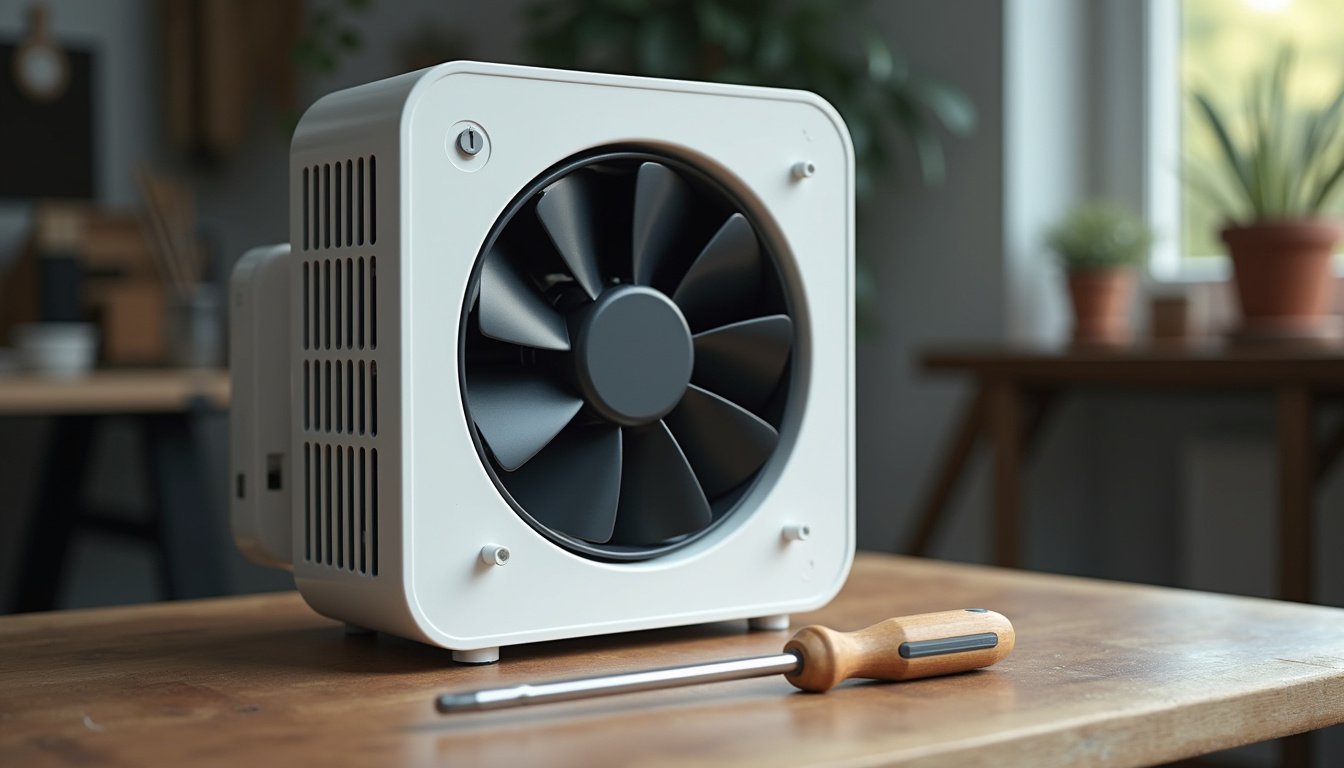
Of all the sounds a purifier can make, grinding is the one to take seriously. A flutter is a loose edge, a rattle is a cover, a whistle is a gap; grinding is something touching the fan at speed, inside the one part of the appliance owners cannot reach. The correct response is less about fixing and more about stopping.
An air purifier makes a grinding noise for a short list of reasons, most of them mechanical. A fan motor bearing is wearing out, which produces a harsh continuous grind or growl that rises with speed and often comes with a hot housing and a fan that is slower to start. Debris has reached the fan: hair wrapped around the hub, a bit of plastic, a bead or a paper clip drawn through a gap and now rubbing on the blades or the guard. A blade is cracked or the fan has shifted on its shaft after a fall and is scraping the housing. The safe checks are limited to what you can see and reach from the filter compartment with the unit unplugged. Anything behind the fan guard, and any grind that persists with the filters out and the bay clear, means stop using the unit and contact the maker.
In short: unplug, open the filter bay, look for anything touching the fan and reseat the filters. If the grind is still there, the fan or motor is failing and the purifier is finished until the maker says otherwise.
Maker manuals instruct owners to unplug a unit that makes unusual noises, to remove only filters and reachable debris, never to open the housing or remove the fan guard, and to contact the maker for motor or fan faults. CPSC guidance adds that appliances running hot, grinding or smelling of burning should be unplugged and not used.
This guide is research-based, drawn from maker manuals, CPSC guidance and the behavior of small fan motors and bearings. We have not tested the units in the comparison table and quote no prices or ratings. Nothing here involves opening the housing, removing the fan guard or repairing a motor.
You can fix it if
- Something visible is wrapped on the hub or resting against the blades, reachable without touching them
- A filter or pre-filter is unseated and rubbing the guard
- The sound stops with the filters out and the bay cleared
- The unit has not been dropped and runs cool
Stop using it and contact the maker if
- The grind persists with the filters out and the bay clear
- It rises and falls with fan speed and nothing is visible
- The housing is hot, the fan is slow to start or wobbles
- There is any burning smell, smoke, sparking or a recent fall
Key Takeaways
- Grinding is contact inside the fan: a worn bearing, debris on the hub or blades, or a cracked or shifted blade.
- Unplug first; a fan can start if the cover switch is bypassed, and spinning blades injure.
- Check only what you can see and reach from the filter bay: debris on the guard or hub, unseated filters.
- A grind that stays after the filters are out and the bay is clear is a motor or blade fault.
- Never remove the fan guard, probe the hub with tools, lubricate a bearing or open the housing.
- A failing bearing can seize or overheat; a damaged blade can shed pieces. Stop using the unit.
- Units under warranty are usually replaced; out of warranty with a motor fault, they are retired and recycled.
Reliable Filter-Based Purifiers to Compare
If a worn motor ends the unit’s life, these widely reviewed filter-based purifiers publish their CADR and noise figures and come from makers with established support. Compare the maker-listed CADR against your room and size a step up so the new unit runs on a gentle, quiet speed.






How This Guide Approaches a Grinding Fan
We separated grinding from the other purifier noises by its character and cause, listed the mechanical reasons a fan grinds, drew the line between what an owner can see and reach and what belongs behind the fan guard, and set out the stop conditions makers and the CPSC describe. Product details in the table come from maker specifications.
One principle governs the sequence: the fan guard is the boundary. Everything in front of it is yours to inspect; everything behind it is the maker’s.
What Grinding Sounds Like and What It Is
Grinding is a harsh, continuous, often metallic or scraping sound that rises in pitch and volume with fan speed. It differs from a rattle, which is hard and intermittent and usually a loose cover; from a flutter, which is soft and irregular and usually a loose edge in the airflow; from a whistle, which is air through a gap; and from a hum, which is steady and often a vibration against a surface. Grinding means two solid things are rubbing at speed.
| Sound | Character | Usual cause | Who fixes |
|---|---|---|---|
| Grind or growl | Harsh, continuous, rises with speed | Bearing wear, debris on hub, blade contact | Debris you can see: you. Otherwise: maker |
| Scrape or tick in time with speed | Regular, rhythmic | Blade touching guard or housing; cracked tip | Maker |
| Rattle | Hard, intermittent, worse on high | Cover, filter or object in the bay | You |
| Flutter | Soft, irregular | Loose filter edge, label, plastic | You |
| Whistle | High, steady | Gap around filter; clogged pre-filter | You |
| Hum or drone | Steady, low | Vibration against wall or floor; motor | You for placement; maker if motor |
| Squeal | High, continuous, may fade when warm | Dry bearing | Maker |
First Steps, With the Unit Unplugged
- Unplug the purifier. Do not rely on the power button.
- Feel the housing near the motor area for heat and smell for burning or hot plastic; if present, stop here and contact the maker.
- Open the filter compartment and remove the pre-filter and main filter.
- Shine a flashlight at a low angle across the fan guard and the visible hub; look for hair wrapped around the shaft, plastic, paper, a bead, a toy part or a pet treat resting against the blades.
- Remove anything you can reach with your fingers without touching the blades or inserting tools; a soft brush on the guard is fine.
- Check that the filters were seated and that no frame edge, clip or pre-filter mesh was touching the guard.
- Refit the filters correctly, latch the cover, plug in and run on each speed, listening.
- If the grind is gone, you are done. If it remains, continue to the fault section and do not run the unit further.
Cause 1: Debris Reaching the Fan
The hopeful case is something that got past a missing or gapped pre-filter and is now rubbing on the blades or the guard: a clump of pet hair wound around the hub, a strip of shipping plastic, a dryer sheet, a cotton ball, a child’s bead, a paper clip. Hair on the hub produces a grind that worsens over days as more winds on; a hard object produces a sharper scrape or tick. These are the grinds that stop when the object is removed.
If the debris is visible and reachable from the bay, lift it off with fingers or a soft brush with the unit unplugged. If it is wound tightly on the shaft or sits behind the guard, stop; forcing it risks bending a blade or damaging the motor, and the maker should handle it. Then fix how it got in: refit the pre-filter on every tab, clean it every two weeks in pet homes, keep the intake clear of laundry and toys and set the unit on a stand away from small hands.
Worked example: a tower purifier in a home with two long-haired cats develops a growl on medium and high. With the unit unplugged and the cylindrical filter out, a flashlight shows a dense wrap of fur around the fan hub, just reachable at the guard. The owner lifts the loose outer layers off with fingers; the tight inner wrap is beyond safe reach, so the maker’s support line is called, and the unit is replaced under warranty. The pre-filter, which had been left out after a wash, goes back on the new unit.
Cause 2: A Worn Motor Bearing
Fan motors spin on sealed bearings that eventually wear, especially after years of continuous running, in dusty homes where grit works in, or if the unit has been run hot against a clogged filter. A worn bearing grinds or growls continuously, often louder on startup and at high speed, sometimes with a squeal that fades as it warms. The housing near the motor may run hot, the fan may be slow to spin up, and the sound stays exactly the same with the filters out and the bay clear.
A worn bearing is not an owner repair. There is no lubrication point accessible without opening the housing, adding oil to a sealed bearing does nothing useful, and a bearing that is grinding can seize, which stalls the motor and can overheat it, or can let the fan wobble into the housing. Stop using the unit and contact the maker. Under warranty it is typically replaced; out of warranty, a replacement purifier is almost always the sound choice.
Cause 3: A Cracked Blade or a Shifted Fan
A fall, a knock during a move or a hard object through the intake can crack a blade tip or push the fan slightly off its shaft. A cracked tip ticks or scrapes against the guard in time with rotation; a shifted fan grinds or rubs the housing continuously and may wobble visibly through the guard. Both get worse with speed and neither changes with the filters out.
Blade and fan replacement means opening the housing and is not owner work. Stop using the unit, note whether it has been dropped recently, and contact the maker. A fan that has shed a fragment can send it into the motor or out through the grille, so do not run a unit with a visibly damaged blade even briefly to confirm the sound.
Cause 4: A Filter or Pre-Filter Touching the Fan
Not every grind is inside the fan. A main filter that is undersized, installed backwards or not pressed home can leave its frame or mesh face against the fan guard, where the airflow vibrates it into a buzzing grind. A pre-filter clipped on three of four tabs can droop into the guard. A combined cartridge with a torn outer mesh can let the mesh flap against the blades. These grinds stop the moment the filter is removed.
- Confirm the filter is the exact part for the model; a near-fit filter sits wrong.
- Orient it by the arrow, tab or open end as the manual shows.
- Press the frame flush against the gasket and lock every clip.
- Seat the pre-filter on all its tabs; replace one with a torn or sagging mesh.
- Latch the cover until it clicks so the stack is held off the guard.
Isolating the Cause
| Test | Result | Meaning | Next step |
|---|---|---|---|
| Filters out, bay cleared, run briefly | Grind gone | Debris or filter contact | Refit filters correctly; fix the pre-filter habit |
| Filters out, bay cleared, run briefly | Grind unchanged | Bearing, blade or shifted fan | Stop using; contact the maker |
| Sound rises and falls exactly with speed, nothing visible | Rhythmic scrape or tick | Blade contact | Stop using; contact the maker |
| Housing hot near the motor | With or without grind | Bearing or motor overheating | Stop using; contact the maker |
| Fan visibly wobbles through the guard | Any sound | Fan off shaft or damaged | Do not plug in again; maker or recycle |
| Grind only on one speed | Resonance or a blade just touching at that speed | Blade or housing contact | Stop using; contact the maker |
| Burning smell, smoke, sparks | Any sound | Electrical fault | Unplug; do not use; maker |
What Not to Do
- Do not remove the fan guard or open the housing; mains wiring, capacitors and the motor are behind it.
- Do not insert screwdrivers, chopsticks, tweezers or fingers toward the hub to fish out debris.
- Do not spray lubricant, oil or WD-40 into the fan; sealed bearings gain nothing and oil on filters and electronics is a fire and contamination risk.
- Do not try to straighten, glue or tape a cracked blade.
- Do not run the unit to see if the grind goes away on its own; a bearing or blade fault worsens under load.
- Do not run it on high to drown out the sound.
- Do not keep a grinding unit running overnight or unattended.
The one repair that is yours is removing visible, reachable debris and reseating the filters. Everything else is a conversation with the maker or a trip to e-waste recycling.
Preventing the Next Grind
Most grinding comes from two habits: a pre-filter left off or neglected, which lets hair and objects reach the fan, and a filter run long past loaded, which makes the motor work hot against restriction and wears the bearing early. A third is placement: units on the floor near toys, pet beds and laundry draw in things a shelf or stand would avoid.
| Habit | Protects against |
|---|---|
| Pre-filter always fitted, cleaned every two to four weeks, every two with pets | Hair and debris reaching the hub |
| HEPA replaced on schedule or when airflow weakens | Motor running hot against a clogged filter |
| Unit on a stand or shelf, intake clear of toys, laundry and pet beds | Objects drawn into the intake |
| Cord routed so the unit cannot be pulled off a surface | Falls that crack blades or shift the fan |
| Weekly listen at the usual speed | Early catch of a new sound |
| Medium or auto rather than constant high | Lower bearing load over years |
When the Purifier Is Finished
A grinding bearing or a damaged fan on a unit out of warranty usually ends its service life, because makers rarely sell motors or fans to owners and a home repair of a mains appliance with moving parts is unsafe. Remove and bag the filters, and take the unit to an e-waste or small appliance recycling point where local rules require it. If the unit is under warranty, follow the maker’s process first; they may want it returned.
Choosing the replacement, favor a unit sized a step above the room by AHAM’s rule, a dust CADR of about two-thirds of the floor area, so it runs on a gentle speed, and one with a washable pre-filter that keeps hair off the fan. Our replacement parts guide covers what makers do and do not supply.
How to Handle a Grinding Purifier in 6 Steps
- Unplug the unit and check the housing for heat and the air for burning smells; if present, stop and contact the maker.
- Open the filter bay, remove the filters and shine a light across the guard and hub for hair, plastic or objects; remove only what you can reach without touching the blades.
- Check that the filters were seated and nothing was touching the guard; reseat correctly and lock every clip.
- Refit, latch the cover, plug in and listen on each speed.
- If the grind is gone, fix the cause: pre-filter habit, placement, cord routing. If it remains, unplug and do not run the unit again.
- Contact the maker about a bearing, blade or fan fault; under warranty expect replacement, out of warranty retire and recycle the unit.
Do and Do Not
Do
- Unplug before opening anything.
- Remove only visible, reachable debris.
- Reseat filters and refit the pre-filter.
- Stop using a unit that grinds with the bay clear.
- Recycle a finished unit as e-waste.
Do not
- Do not remove the fan guard or open the housing.
- Do not probe the hub with tools or fingers.
- Do not oil or spray the fan.
- Do not run a wobbling or cracked fan to test it.
- Do not leave a grinding unit running unattended.
Who Should Skip This
If the grind stops the moment the filters come out and a wrap of hair or a stray object is sitting on the guard within easy reach, skip the worry: remove it with the unit unplugged, refit the pre-filter properly and clean it every two weeks from now on.
If the housing is hot, the fan wobbles, a blade tip is cracked, or the grind persists with the bay clear, skip every further check. The unit is not safe to run; unplug it, contact the maker and, out of warranty, retire and recycle it.
Honest Limits
- This guide covers isolation and safe handling; it does not diagnose or repair motors, bearings or fans.
- Some debris sits behind the guard and cannot be safely reached by owners.
- A grind that vanishes briefly can return; a bearing fault is progressive.
- Fan and motor parts are rarely sold to consumers; replacement usually means a new unit.
- Noise descriptions are approximate; when in doubt, treat a harsh continuous sound as a stop condition.
- Nothing here applies to the housing interior, which is not owner serviceable.
When to See a Professional
Contact the maker for any grind that persists with the filters out and the bay clear, a hot housing, a slow or wobbling fan, a cracked blade, debris beyond safe reach, or any burning smell, smoke or sparking; stop using the unit meanwhile. Under warranty the unit is usually replaced; out of warranty with a motor or fan fault, it should be retired and recycled as e-waste.
Seek medical care for any cut from the fan; keep children and pets away from an open filter bay. Nothing on this page is medical advice.
Frequently Asked Questions
Why is my air purifier making a grinding noise?
Grinding is contact inside the fan: a worn motor bearing, hair or an object wrapped on the hub or resting against the blades, or a blade cracked or shifted after a fall. Less often a filter or pre-filter is unseated and rubbing the guard.
Can I fix a grinding air purifier myself?
Only if the cause is visible debris you can lift off the guard or hub without touching the blades, or a filter rubbing the guard that reseats correctly. Anything behind the fan guard, a worn bearing, a cracked blade or a shifted fan, is not an owner repair; stop and contact the maker.
Is it safe to keep using a purifier that grinds?
No, if the grind persists with the filters out and the bay clear. A failing bearing can seize or overheat, and a damaged blade can shed pieces into the motor or out of the grille. Unplug it and do not run it unattended or overnight; contact the maker.
Can I oil the fan motor to stop the grinding?
No. Purifier motors use sealed bearings with no accessible lubrication point, oil sprayed into the fan does nothing for the bearing and contaminates filters and electronics, and opening the housing to reach the motor is unsafe. A grinding bearing is a maker service or replacement matter.
How do I tell debris from a bad bearing?
Unplug, remove the filters, clear anything visible from the guard and hub, and run briefly. If the grind is gone, it was debris or a filter touching the guard. If it is unchanged, especially with a hot housing or a slow-starting fan, it is the bearing or a blade; do not run it again.
Why does the grinding get worse on high speed?
Because the fan is turning faster, so a worn bearing growls harder and a blade touching debris or the housing scrapes more often. Rising with speed is normal for all mechanical grinds and does not help identify the cause; the filters-out test does.
Pet hair is wrapped around the fan hub. What should I do?
With the unit unplugged, lift off any loose hair you can reach from the filter bay with fingers or a soft brush, without touching the blades or inserting tools. Hair wound tightly on the shaft or behind the guard is the maker’s job. Then refit the pre-filter and clean it every two weeks.
My purifier grinds after I dropped it. Is it repairable?
Probably not at home. A fall can crack a blade tip or shift the fan on its shaft, and both scrape the housing or guard and worsen with use. Do not run it to test; look for a visible wobble or crack through the guard, and contact the maker.
Will the warranty cover a grinding motor?
Motor and bearing failures are typically covered within the warranty period, and units are usually replaced rather than repaired. Damage from a fall or from objects drawn into the fan may be excluded. Contact the maker with the model, purchase date and a description of the filters-out test.
How do I prevent the fan from grinding again?
Keep the pre-filter fitted and cleaned every two to four weeks so hair and objects never reach the hub, replace the HEPA stage on schedule so the motor does not run hot against a clogged filter, set the unit on a stand away from toys and pet beds, and run medium rather than constant high.
Bottom Line
A grinding air purifier is drawing a line for you. In front of the fan guard, hair, plastic and unseated filters are yours to clear with the unit unplugged, and most grinds that stop when the bay is cleared were one of those. Behind the guard, a worn bearing, a cracked blade or a fan shifted by a fall is contact that will only worsen, and the only safe response is to stop running the unit and hand it to the maker.
Keep the pre-filter fitted and clean, replace the HEPA on time, keep the intake clear and the cord safe, and listen once a week. That is how a purifier reaches old age without ever making the one sound this guide is about.
Related reading: Air purifier making a fluttering noise, Air purifier replacement parts, Why isn’t my air purifier working.