Why Does My Air Purifier Make a Crackling Sound? Causes and Fixes
A crackling or popping air purifier can be loose dust, a misfit filter, moisture, an ionizer or a fault. Learn how to troubleshoot safely and when to stop using it.
A crackling or popping air purifier can be loose dust, a misfit filter, moisture, an ionizer or a fault. Learn how to troubleshoot safely and when to stop using it.
A safe cleaning routine for any air purifier: what to vacuum, wipe, wash or replace, which tools to use and the mistakes that damage filters, sensors and motors.
Most air purifiers do not use water, so water leaking from one means a water-using model, condensation, a spill or a different appliance. Here is what to do first.
Small desktop air purifiers have compact filters and tight vents that load quickly. Learn a simple routine to clean the vents, replace filters and keep the unit quiet.
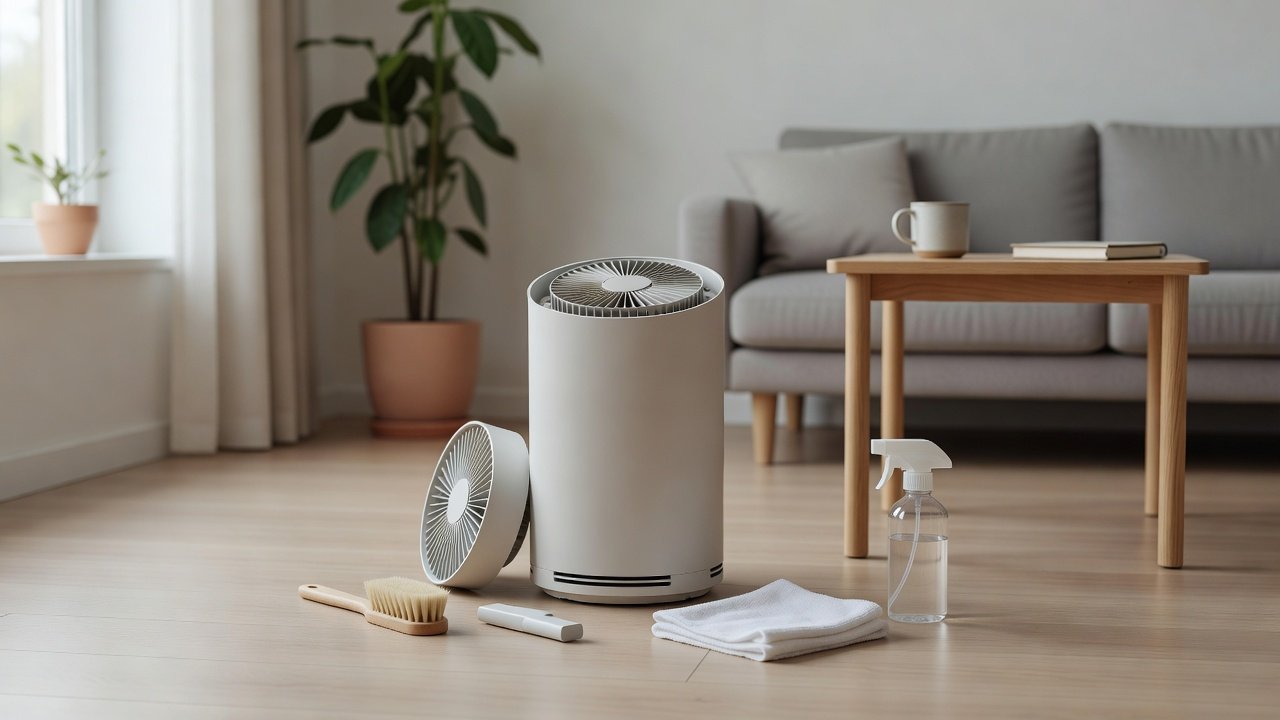
The fan is the most delicate part of an air purifier. Learn when to clean it, what is safe to do yourself and when to leave it to the manufacturer.
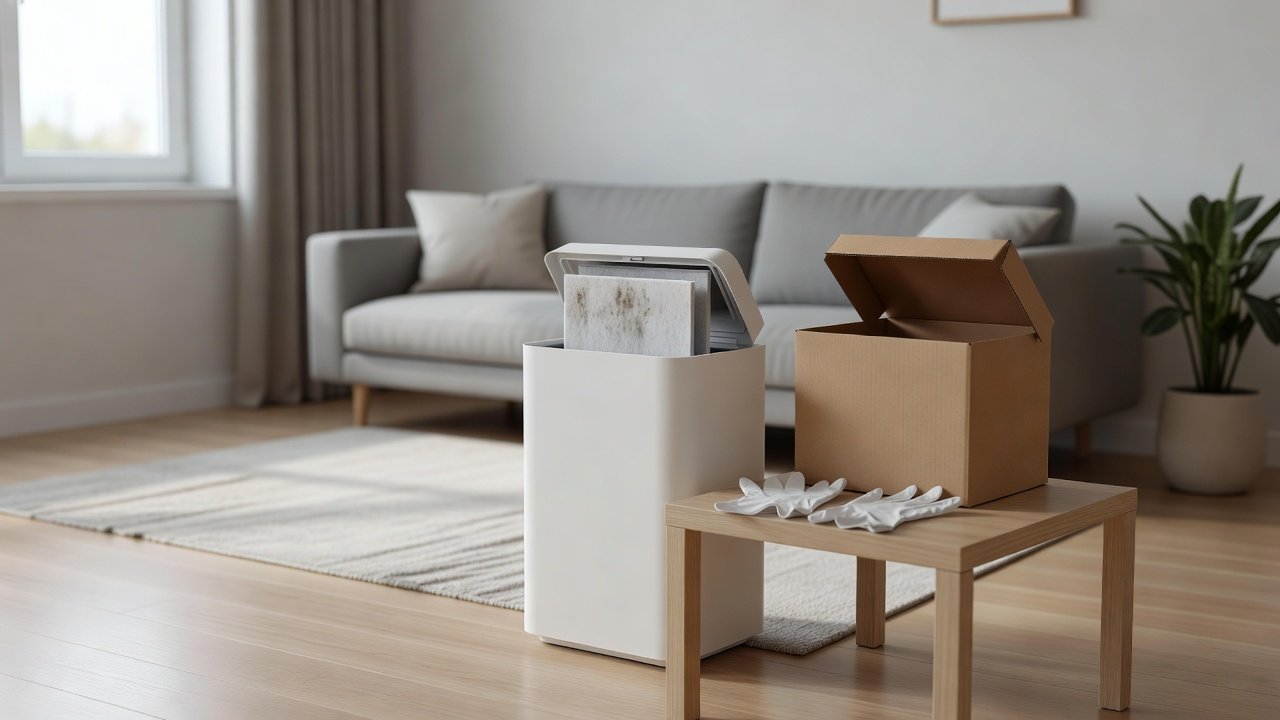
Used air purifier filters can hold dust, allergens and sometimes mold. Learn how to remove, bag and dispose of them, and what to check with local waste rules.
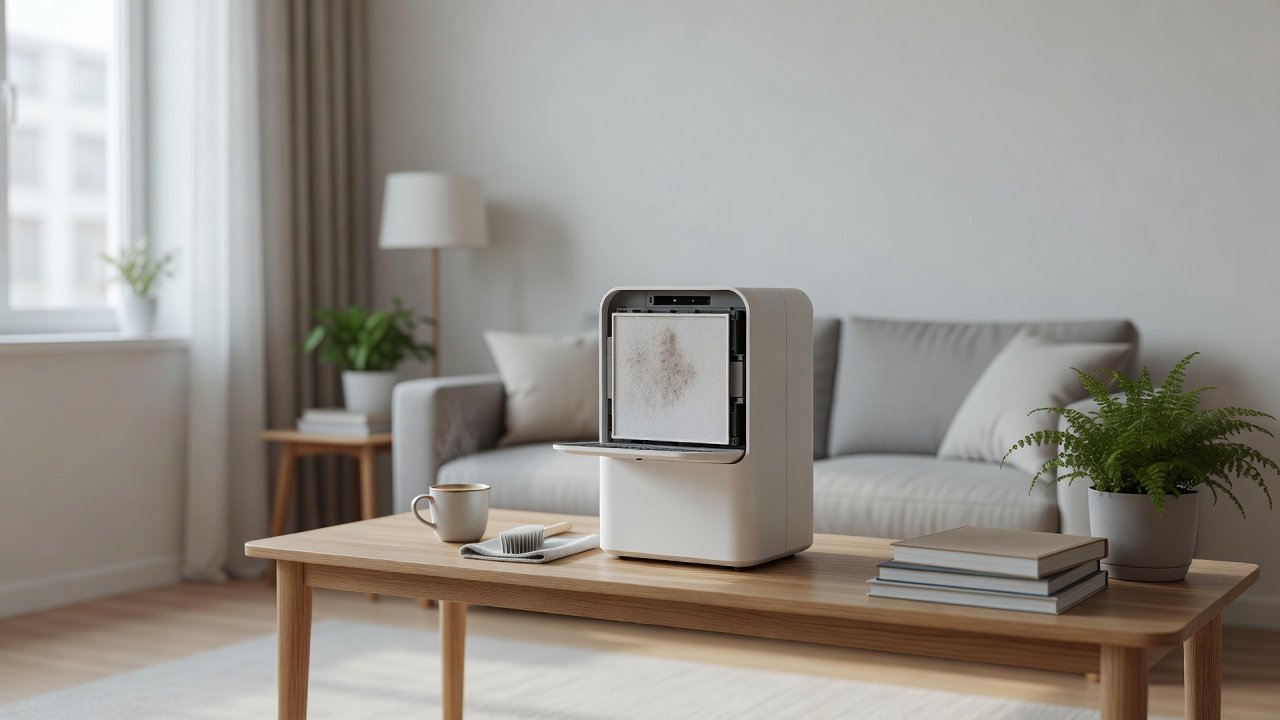
A clean air purifier supports an allergy-friendly home. Learn a dust-safe cleaning routine, when to replace filters and what a purifier can and cannot do. Not medical advice.
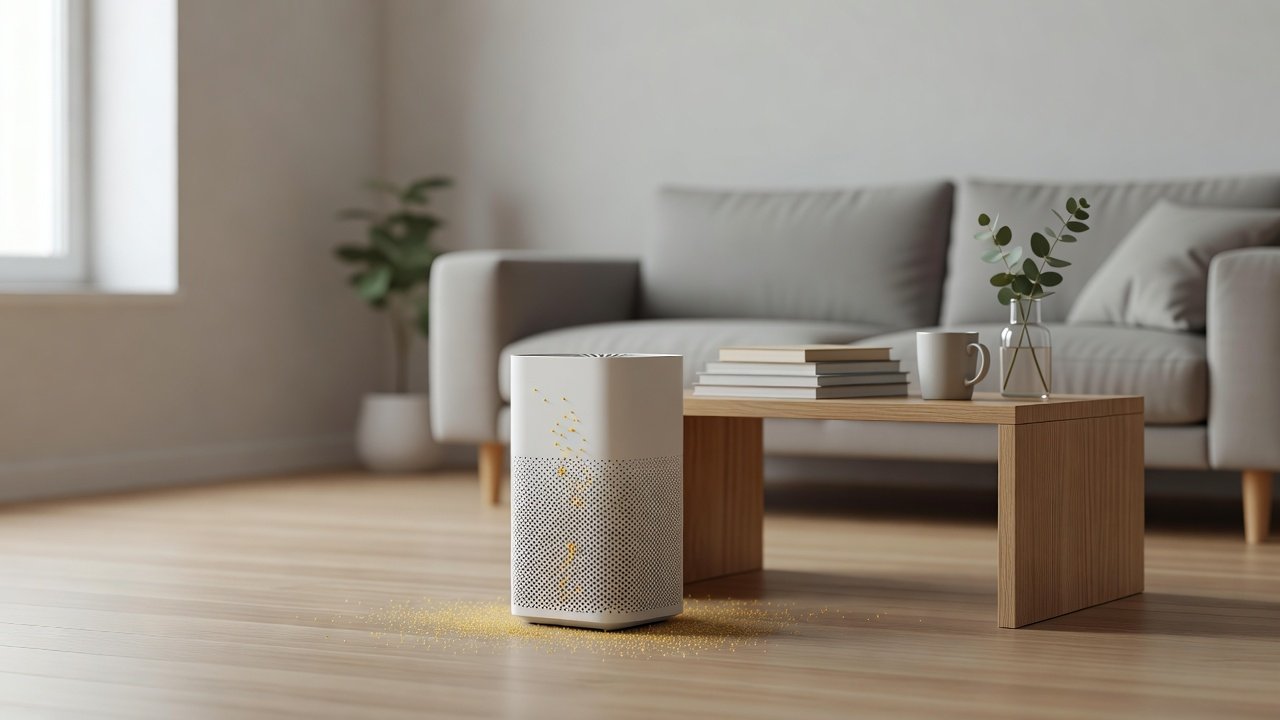
HEPA air purifiers can capture pollen that gets indoors, and pollen season loads filters faster. Learn how to adjust cleaning and filter changes during high-pollen months.
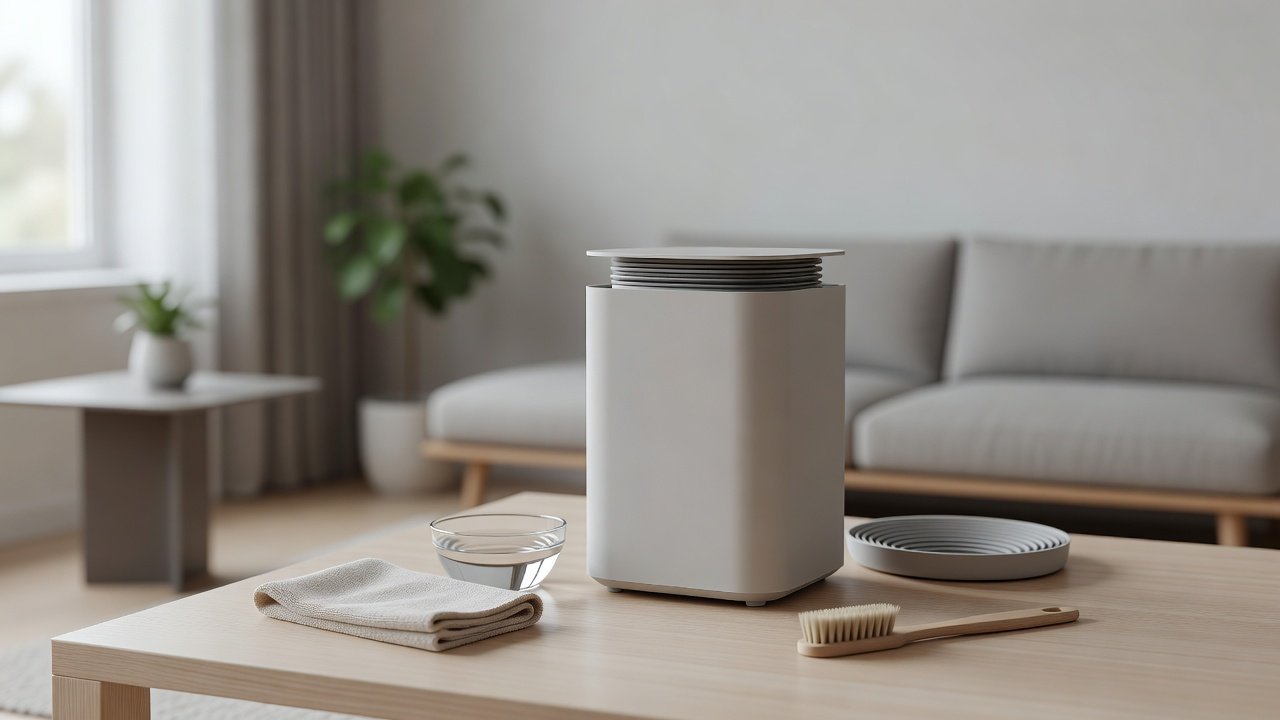
Rubber seals and gaskets keep air from bypassing the filter. Learn how to clean them safely, spot wear and when to replace a seal or the filter that holds it.
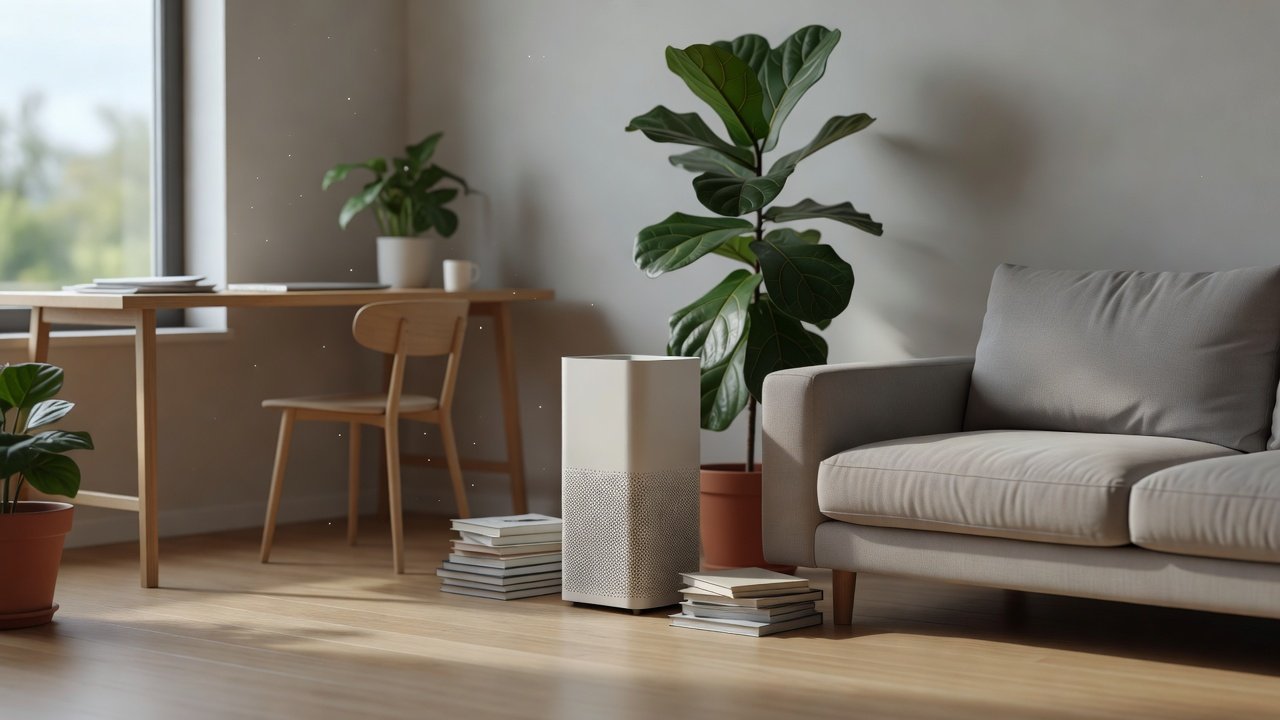
An air purifier that feels hot may have blocked airflow, a loaded filter, poor placement or an electrical fault. Learn what is normal, what to check and when to stop using it.
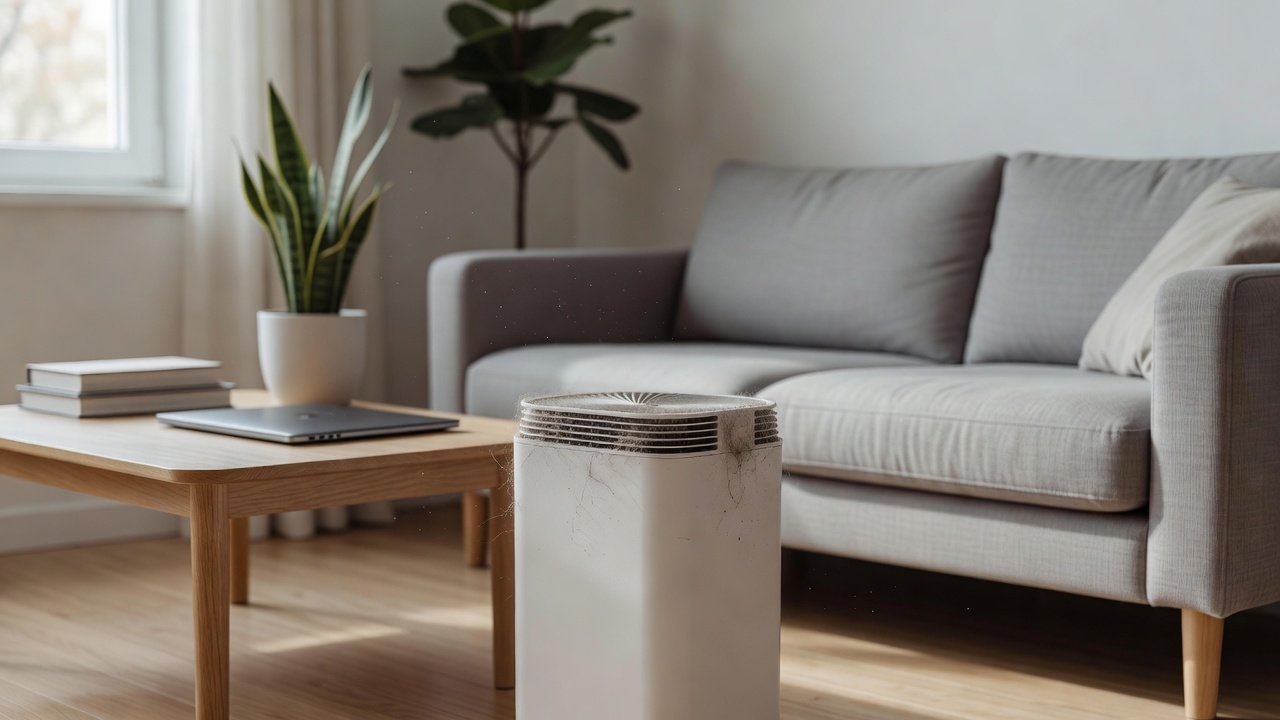
Weak airflow from an air purifier usually means a clogged filter, a blocked vent, the wrong speed or a seating problem. Learn how to test and fix it step by step.
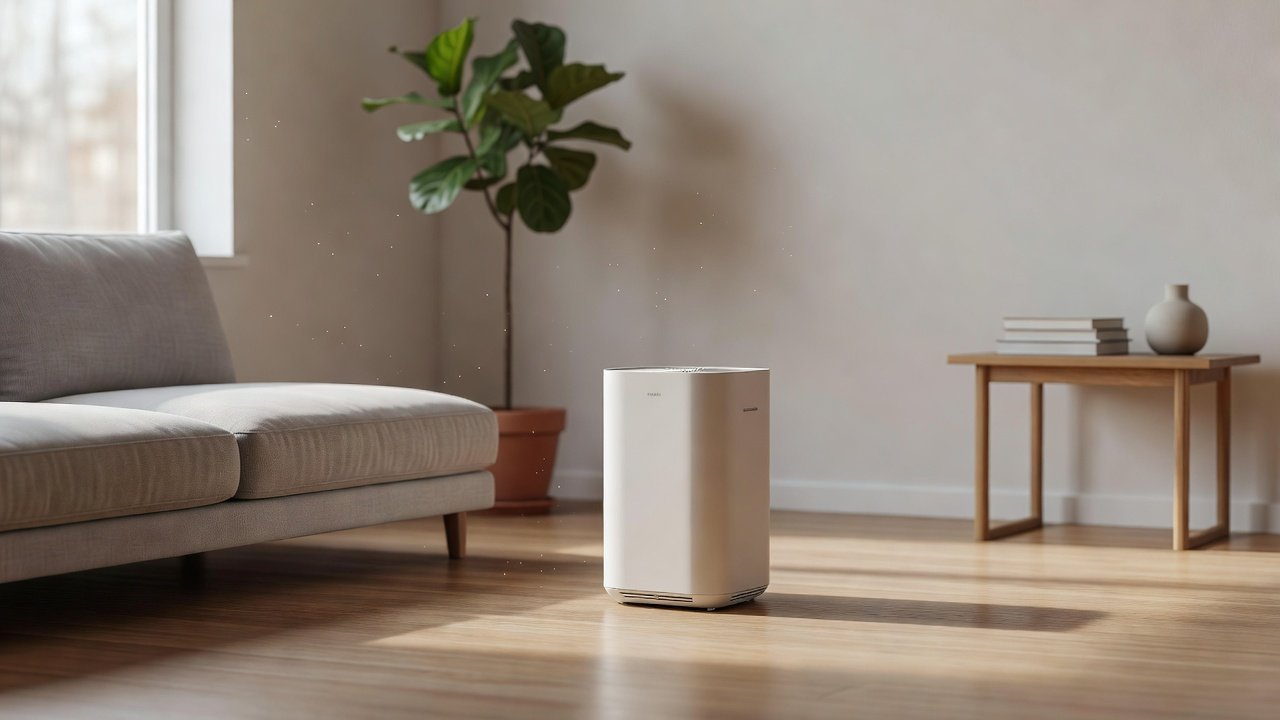
Black dust in or around an air purifier can come from carbon filter fines, soot from candles or cooking, or dirty intake air. Learn how to tell and what to do.
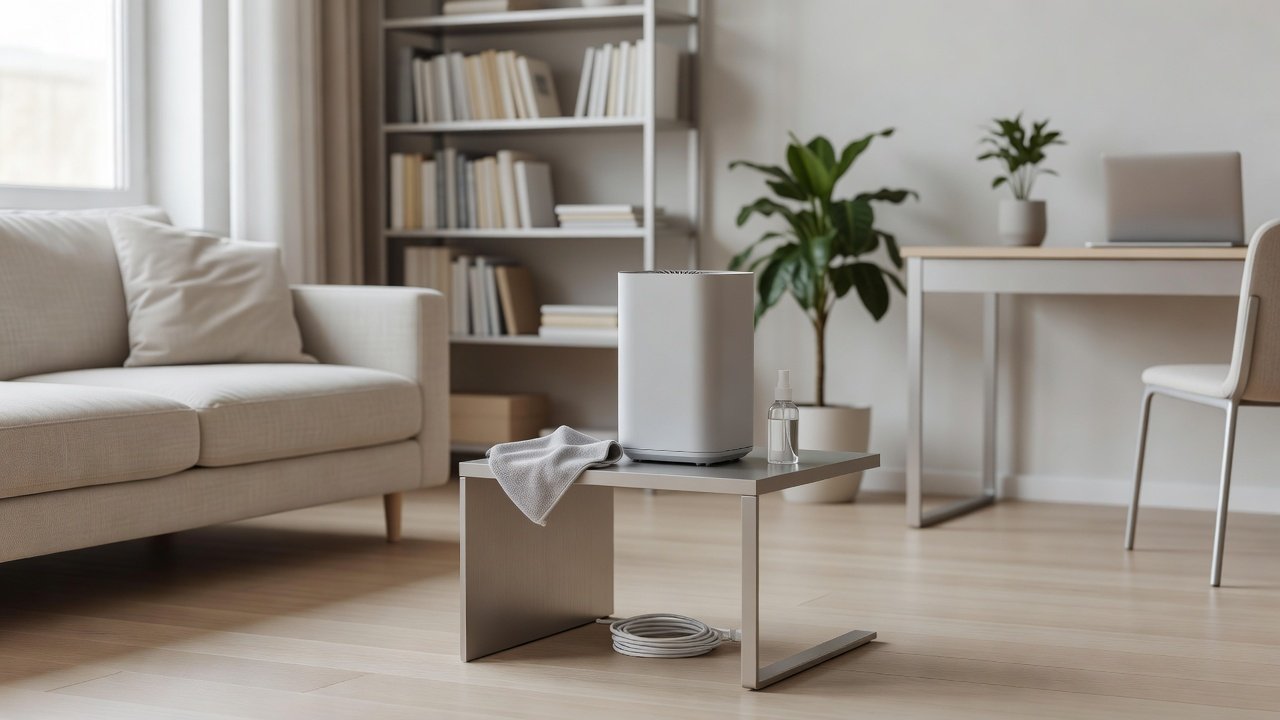
Keep your air purifier working well with a simple maintenance checklist: clean pre-filters, check indicators, replace HEPA and carbon filters, clean sensors and exteriors.
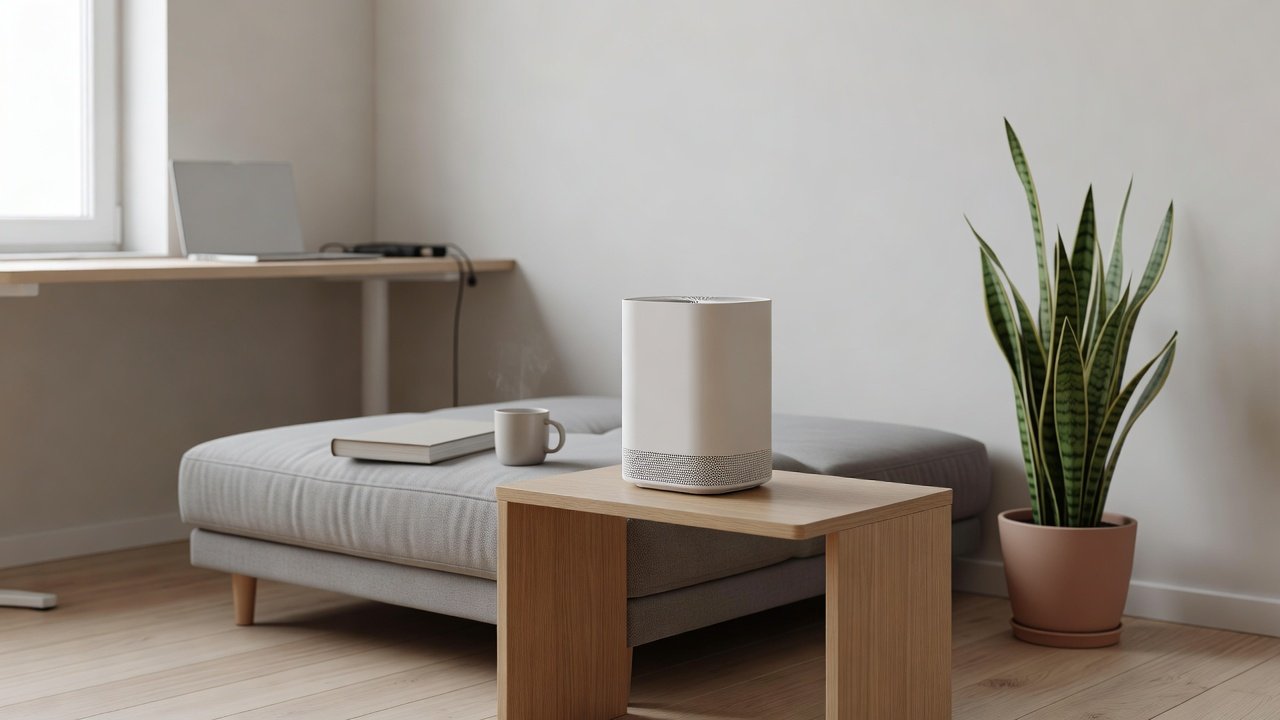
If your air purifier is not working, check power, filter installation, indicators, sensors and airflow. Learn safe troubleshooting steps and when to contact the manufacturer.
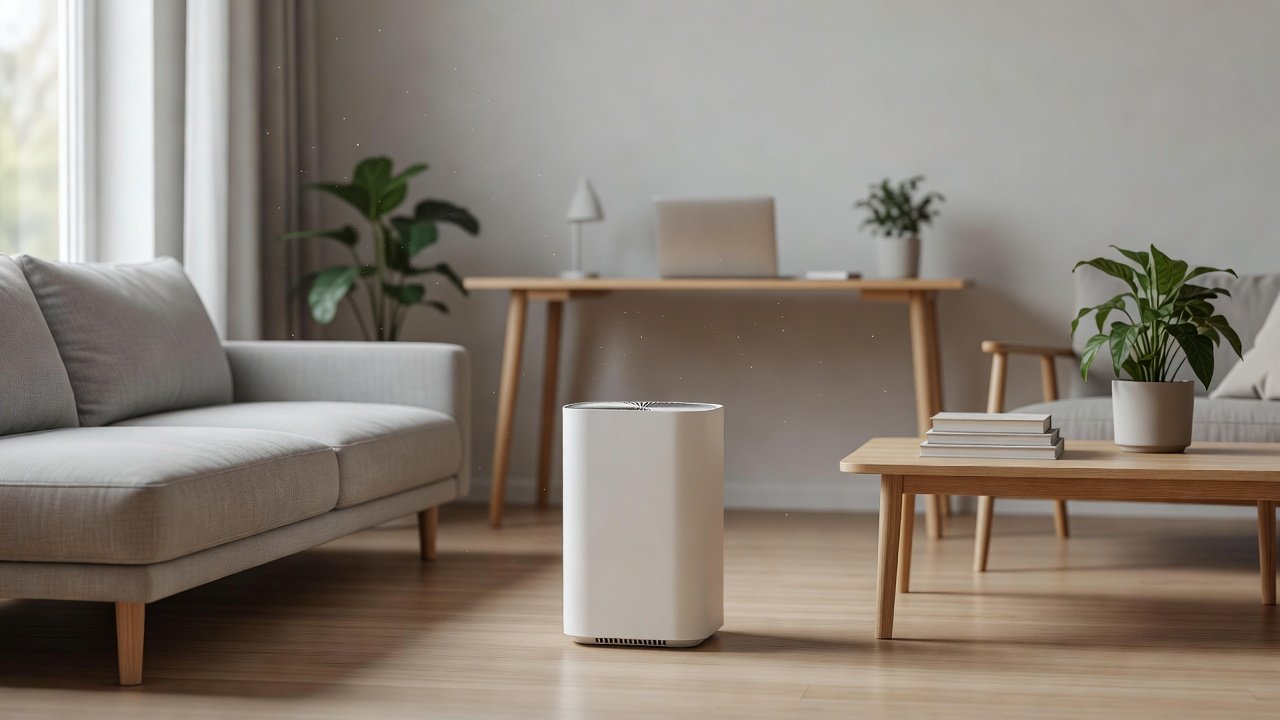
Air purifiers capture airborne particles with HEPA and some gases and odors with carbon. They do not clean surfaces or remove everything. Learn what is and is not removed.
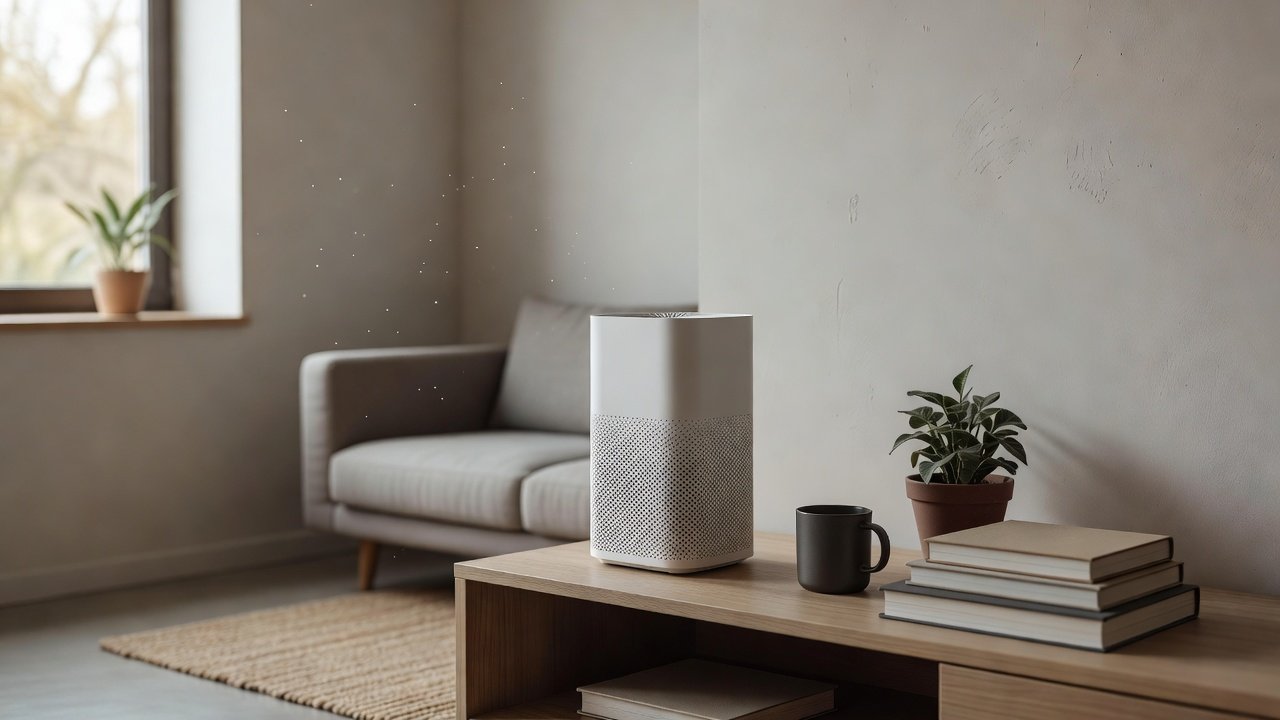
Plan the yearly cost of an air purifier: replacement HEPA and carbon filters, electricity and pre-filter care. Learn how to estimate and reduce running costs.
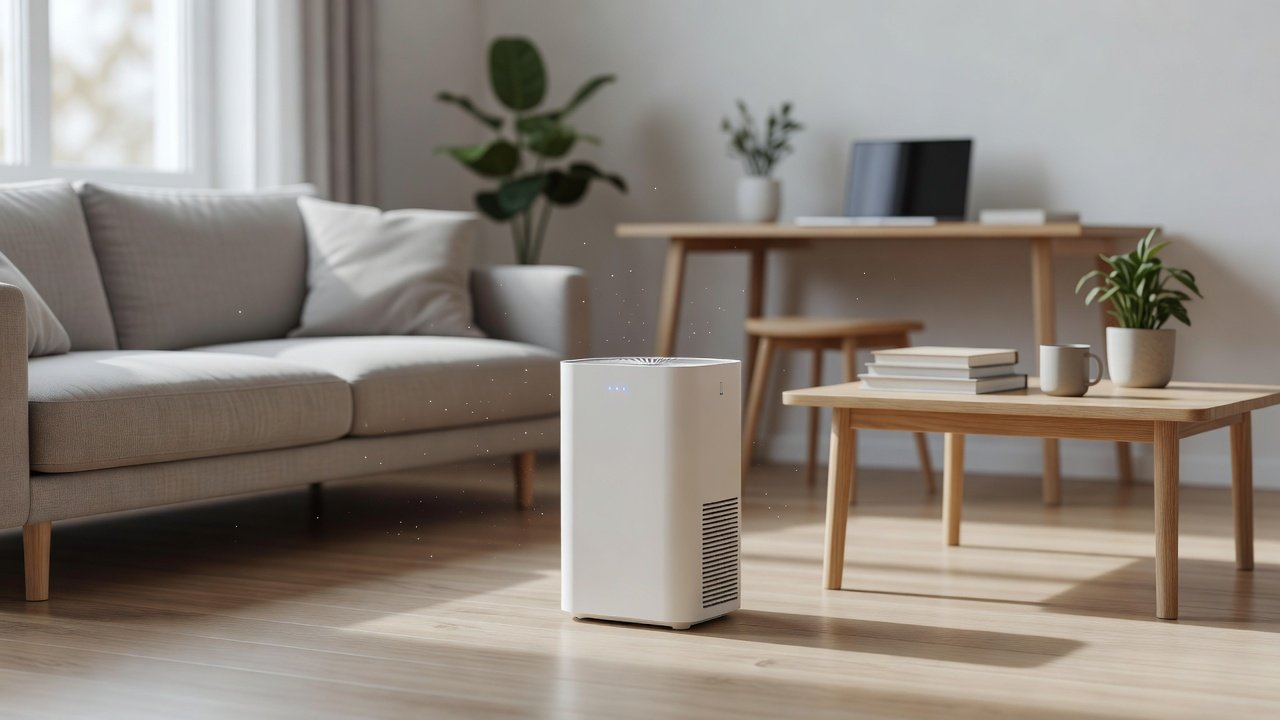
Air purifiers capture airborne dust, but settled dust on surfaces still needs cleaning. Learn what to expect, how to size a unit and how to reduce dust at the source.

A single portable air purifier generally cleans one room or open area, not a whole house. Learn realistic coverage, CADR sizing, open layouts and whole-home options.