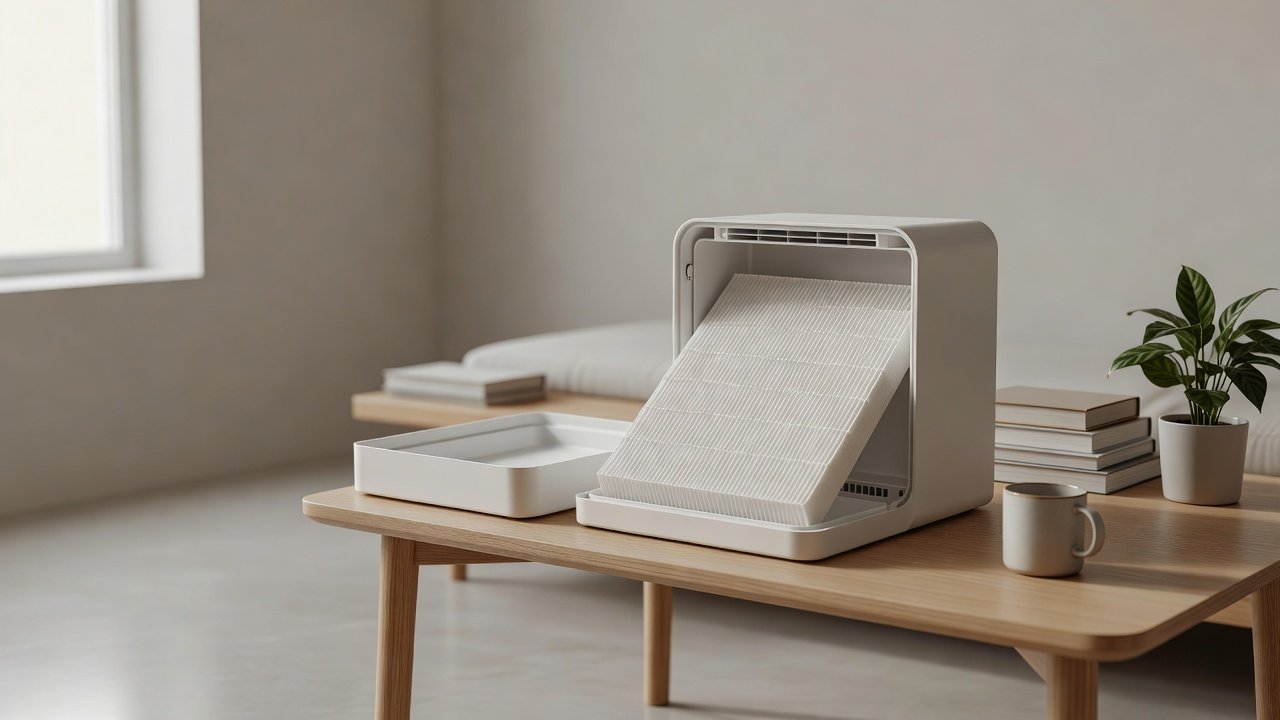
What Is the Best Way to Dry a Cleaned Air Filter?
The best way to dry a washable air purifier pre-filter is slowly, with good airflow and no heat. Learn the steps, how to tell when it is dry and what to avoid.
The best way to dry a washable air purifier pre-filter is slowly, with good airflow and no heat. Learn the steps, how to tell when it is dry and what to avoid.
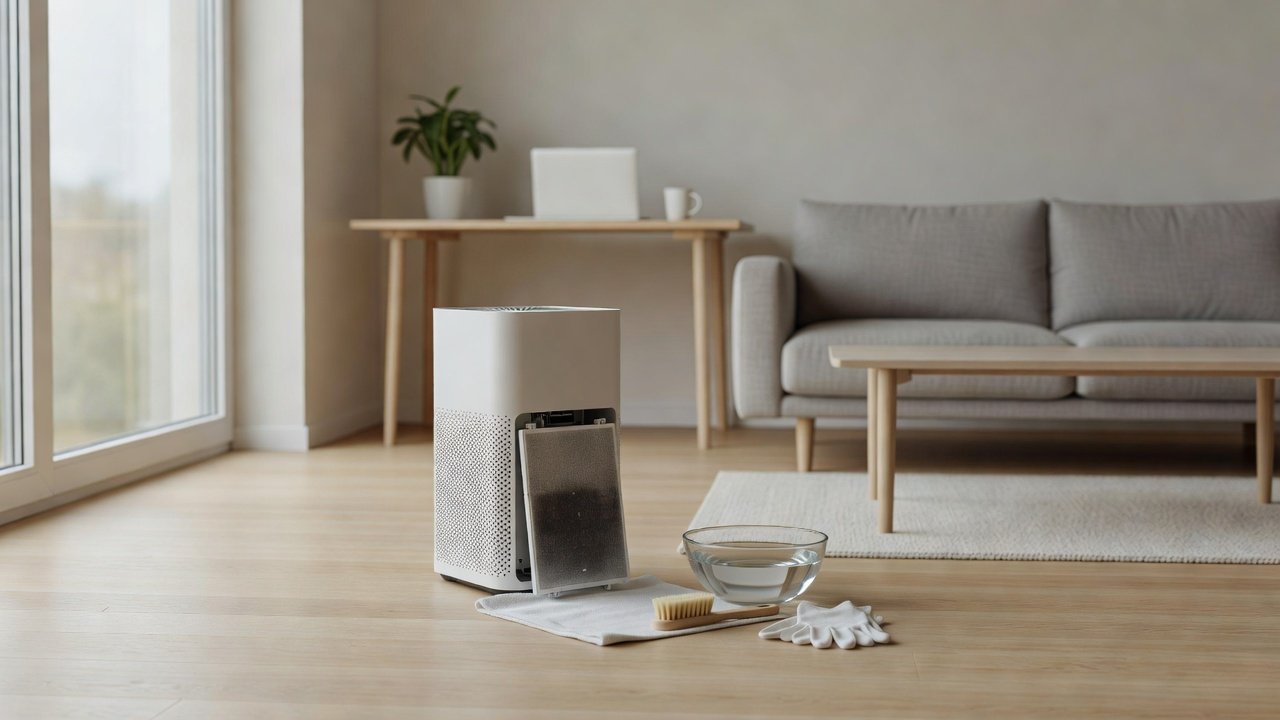
If your air purifier smells like cooking or food, the carbon filter and pre-filter are probably saturated. Learn how to clean what can be cleaned and replace what cannot.
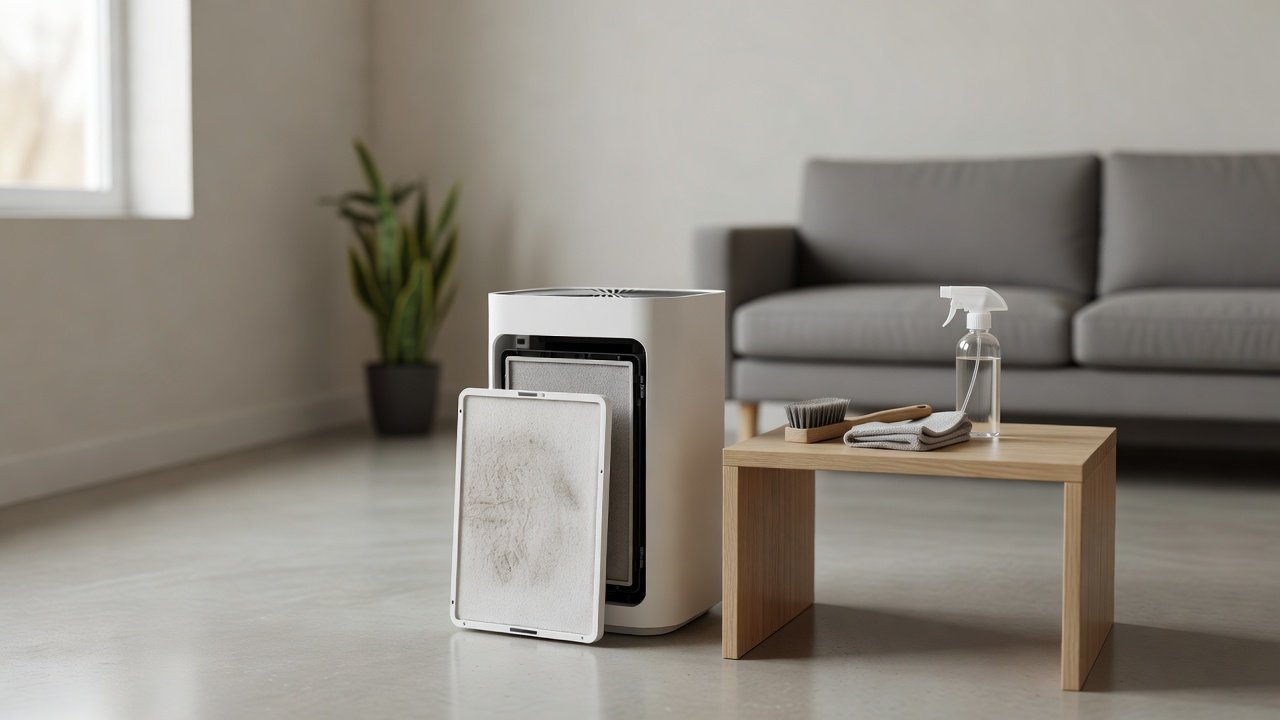
Basements are damp, dusty and prone to musty odors. Learn how to clean and maintain an air purifier in a basement, including moisture control and filter checks.
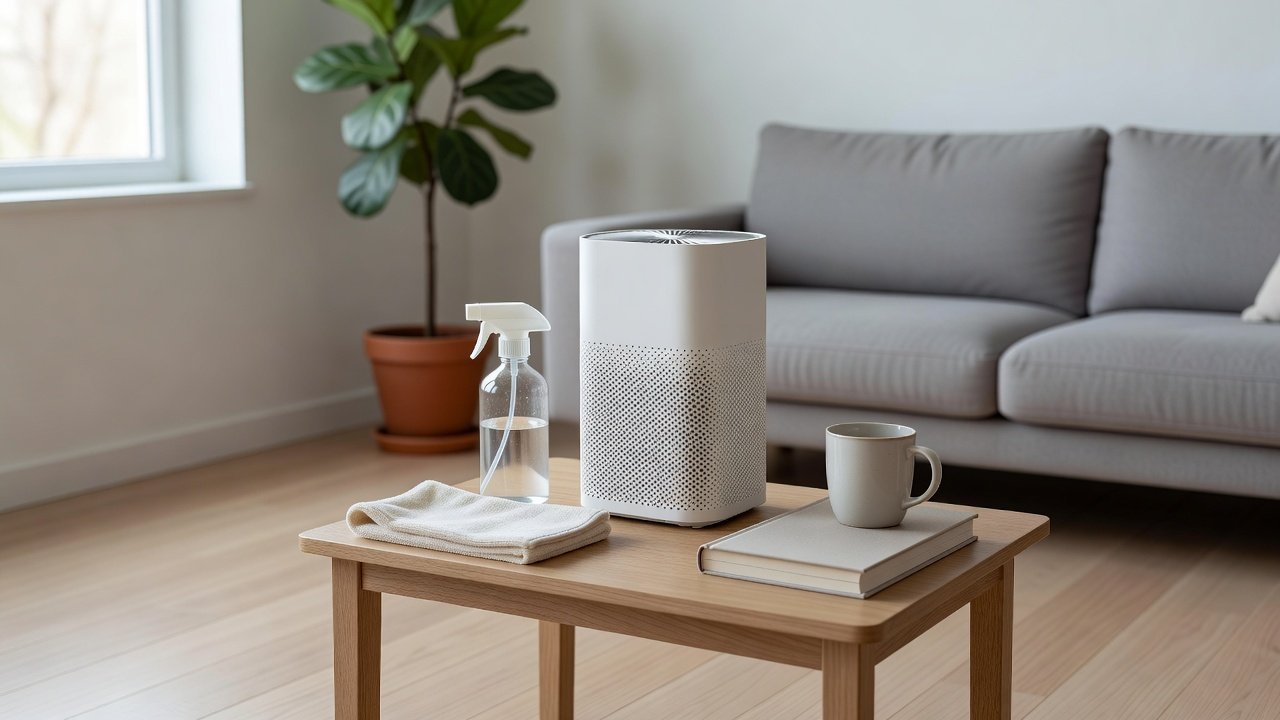
Rubbing alcohol is flammable and can damage plastics and filters. Learn when it might be okay on an air purifier’s exterior and the safer alternatives.
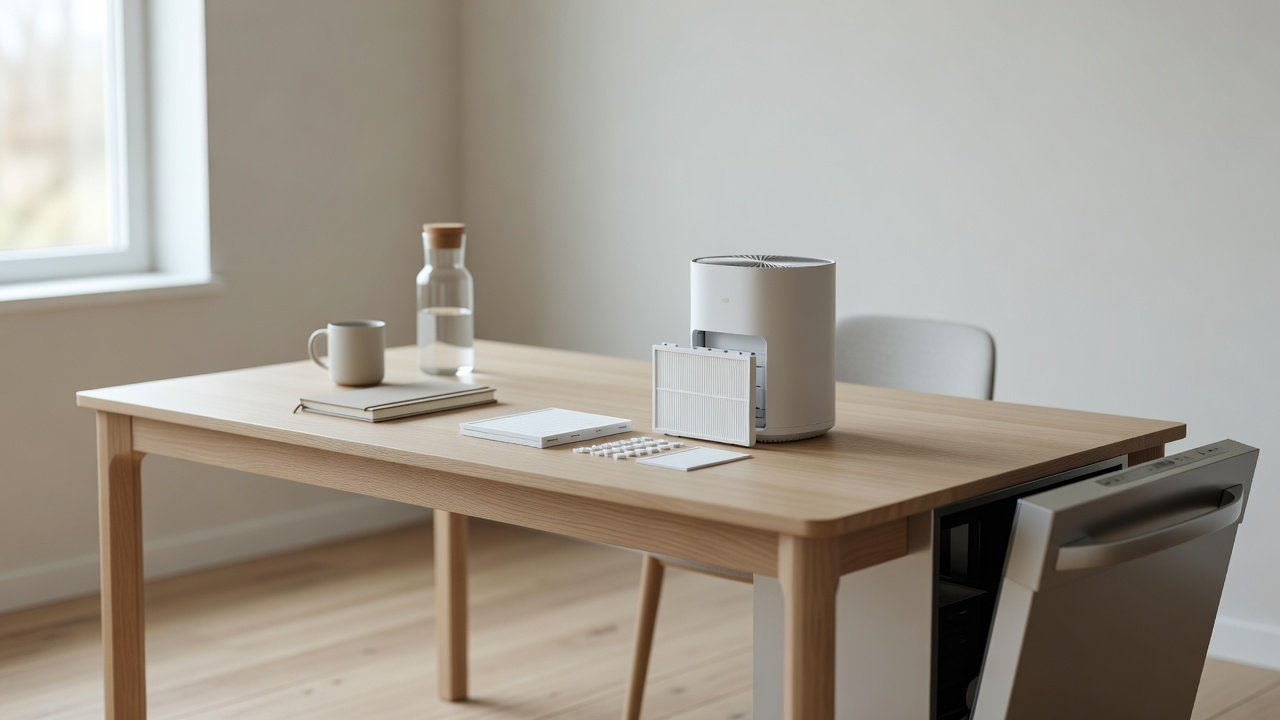
Can air purifier parts go in the dishwasher? Learn which parts might be dishwasher safe, which never should be, and safer ways to clean pre-filters and covers.
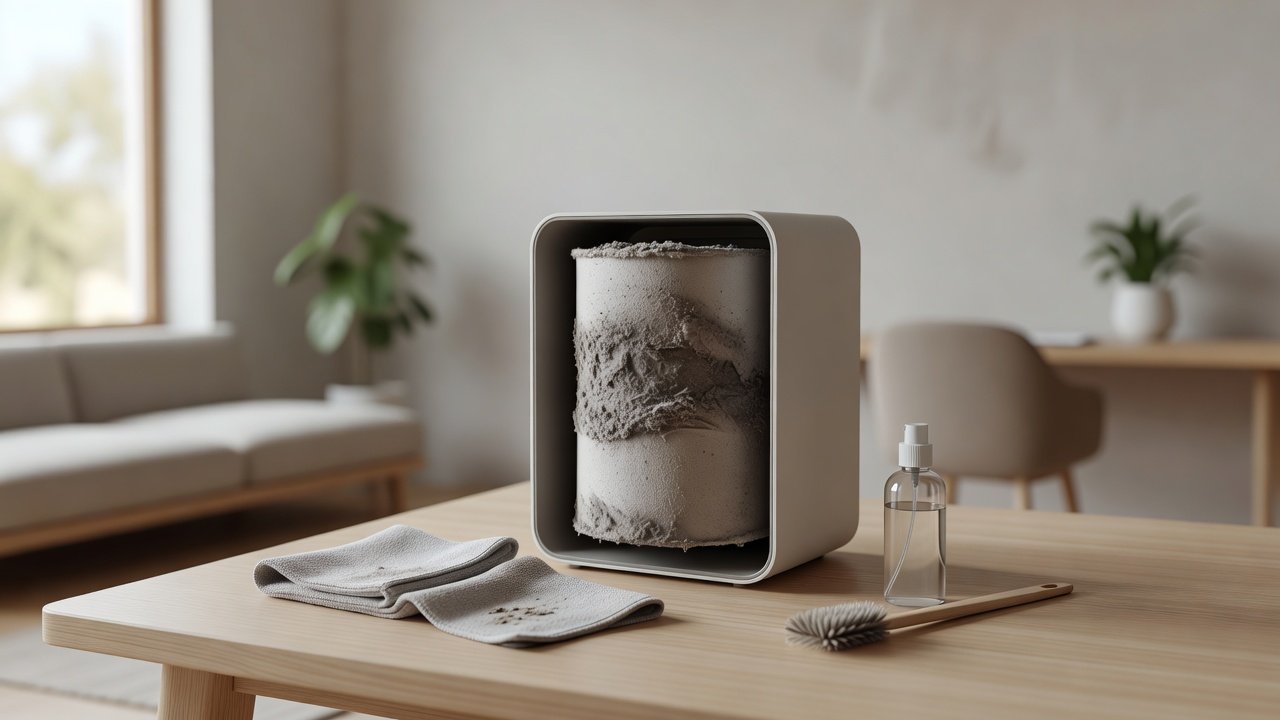
After heavy wildfire smoke, an air purifier’s filters are loaded and the housing is dusty. Learn what to clean, what to replace and how to restart safely.
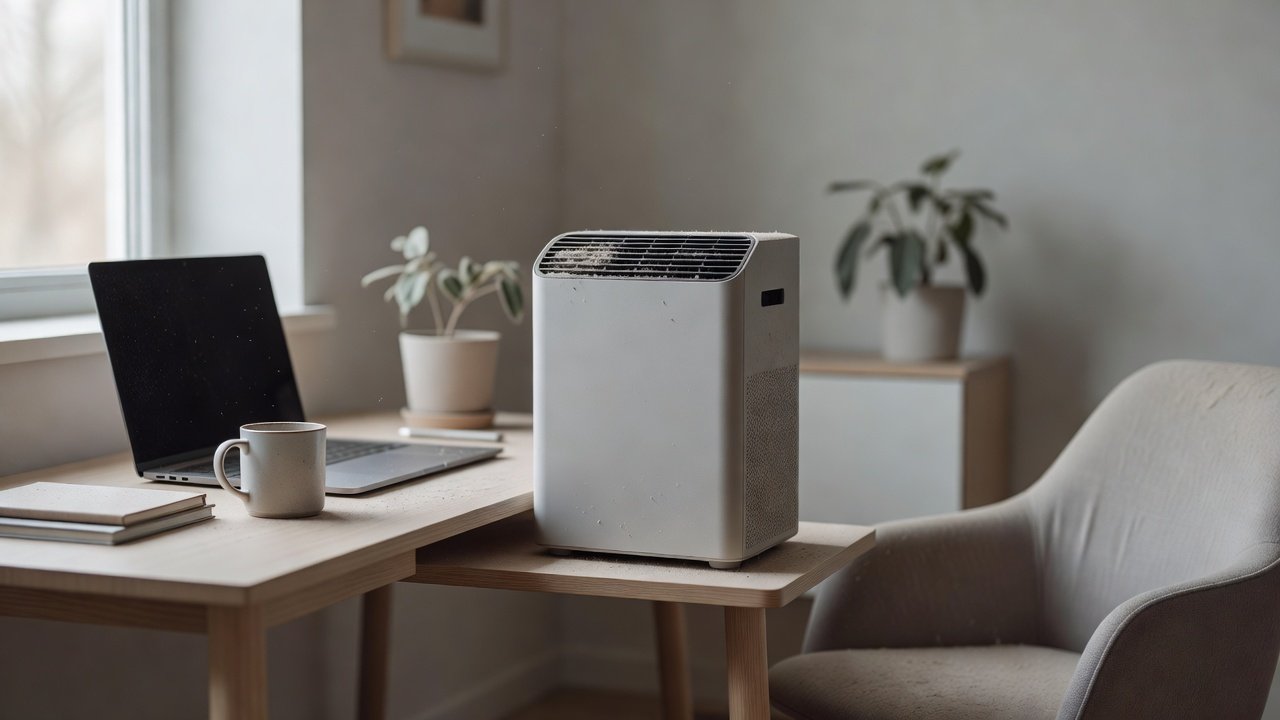
Skipping air purifier maintenance reduces airflow, shortens filter life and can cause noise, odors and mold. Here is what happens and a simple routine to avoid it.
If your air purifier’s fan slows down, it may be auto mode, a clogged filter, a sensor issue, a power problem or a failing motor. Here is how to find the cause.
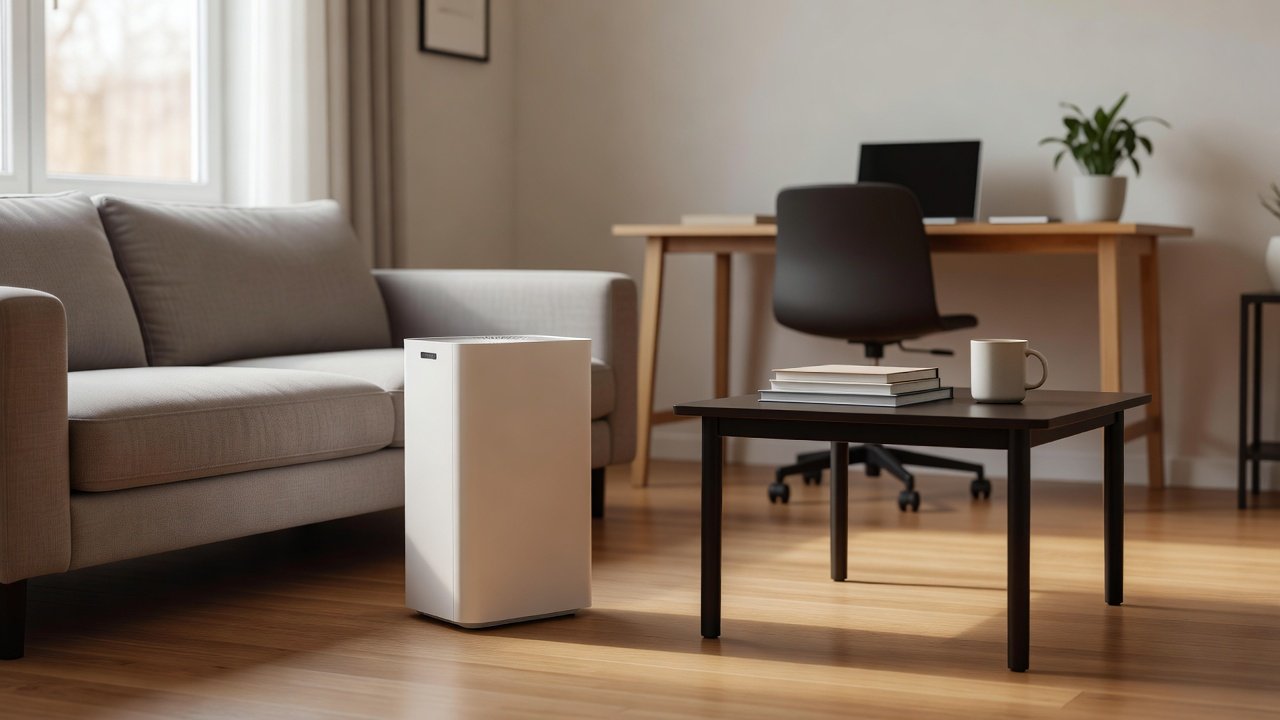
Running an air purifier all day is generally what most are designed for, but there are practical limits. Learn about wear, filter life, noise, energy and safety.
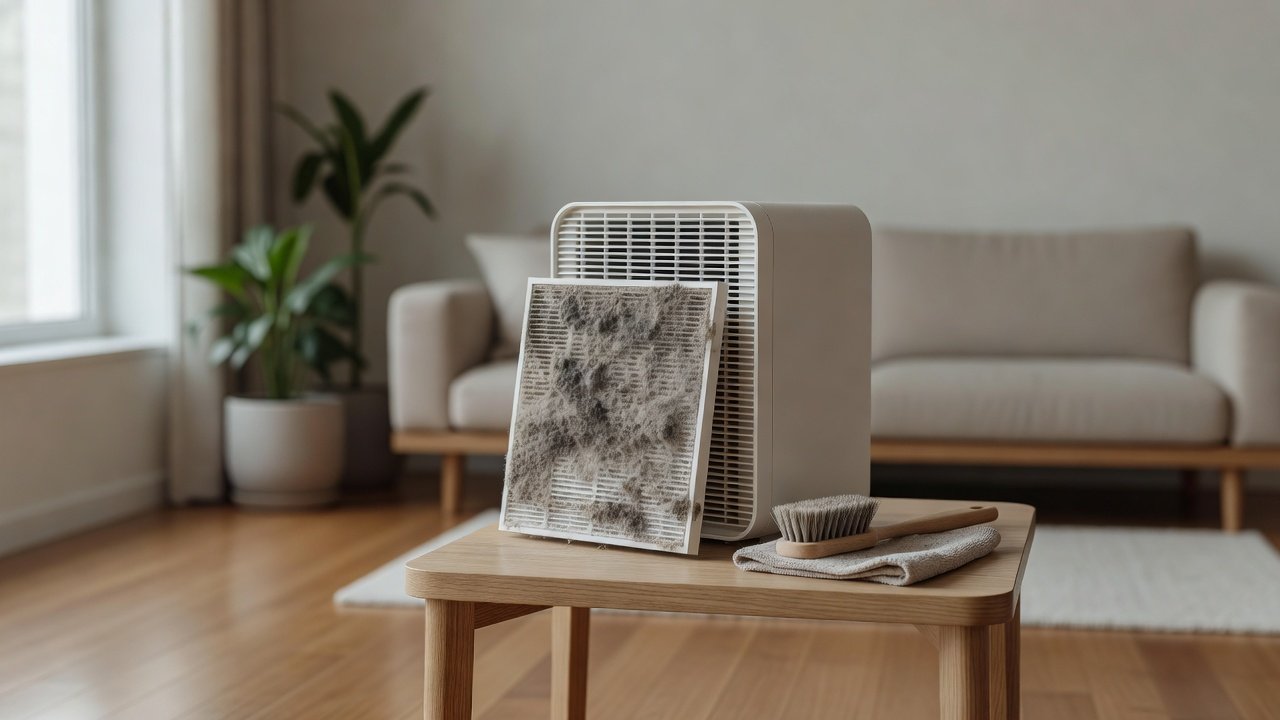
Caked-on dust in an air purifier’s vents, grille and housing needs patience, not force. Learn the tools, the order of work and how to prevent it coming back.
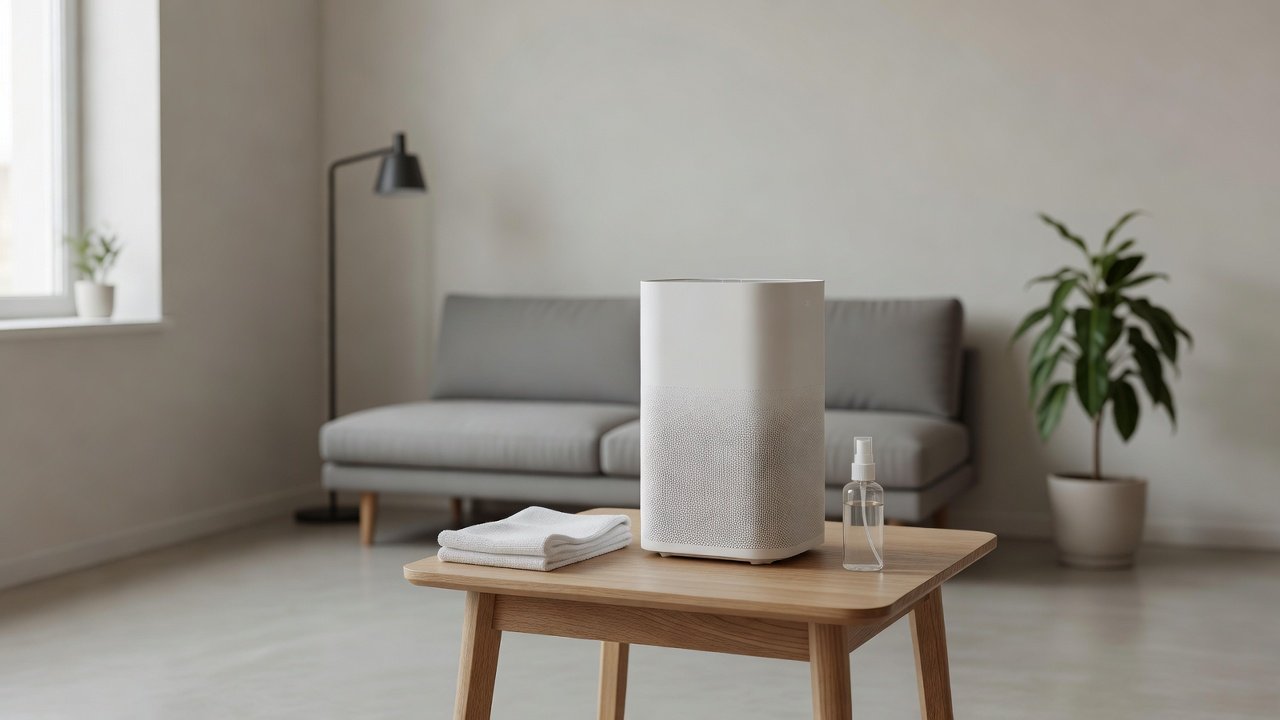
A clean air purifier moves air with less strain, which can keep power use steady and noise down. Learn what cleaning does for efficiency and what else matters.
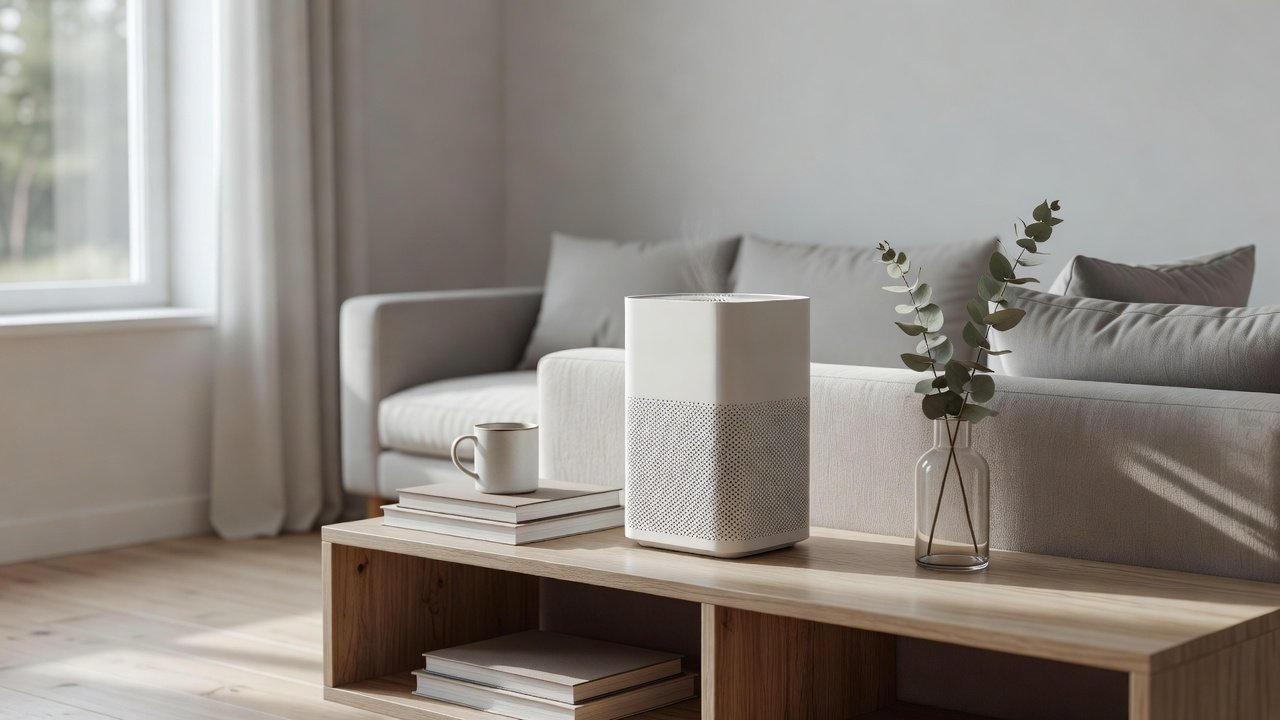
A whistling air purifier usually has an air leak, a loose filter, a blocked vent or a fan issue. Learn the common causes and simple checks to stop the noise.
Static makes dust cling to air purifier housings and can cause small shocks. Learn why it happens and how to reduce it with humidity, grounding and cleaning habits.
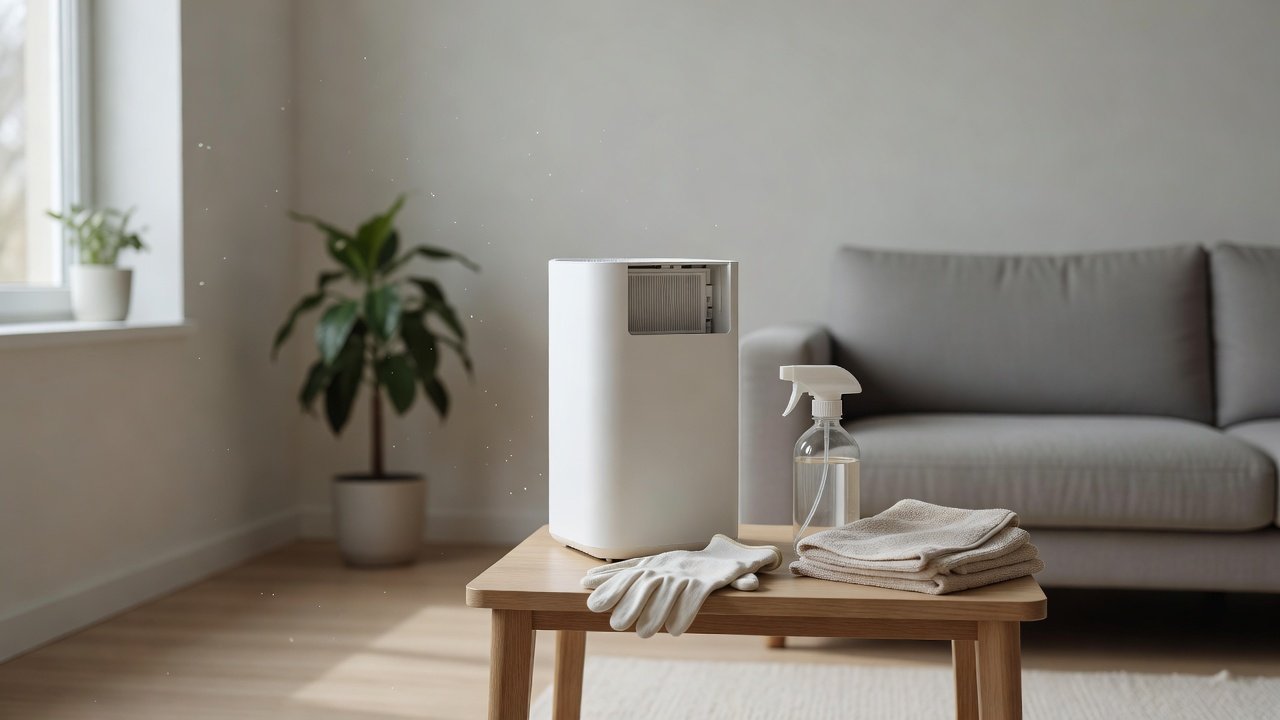
A chemical smell from an air purifier can come from cleaning products, new filters, off-gassing or saturated carbon. Learn how to find the source and fix it safely.
Carbon filters in air purifiers cannot be washed and wear out as they adsorb gases. Learn typical replacement timing, the factors that shorten it and how to tell it is spent.
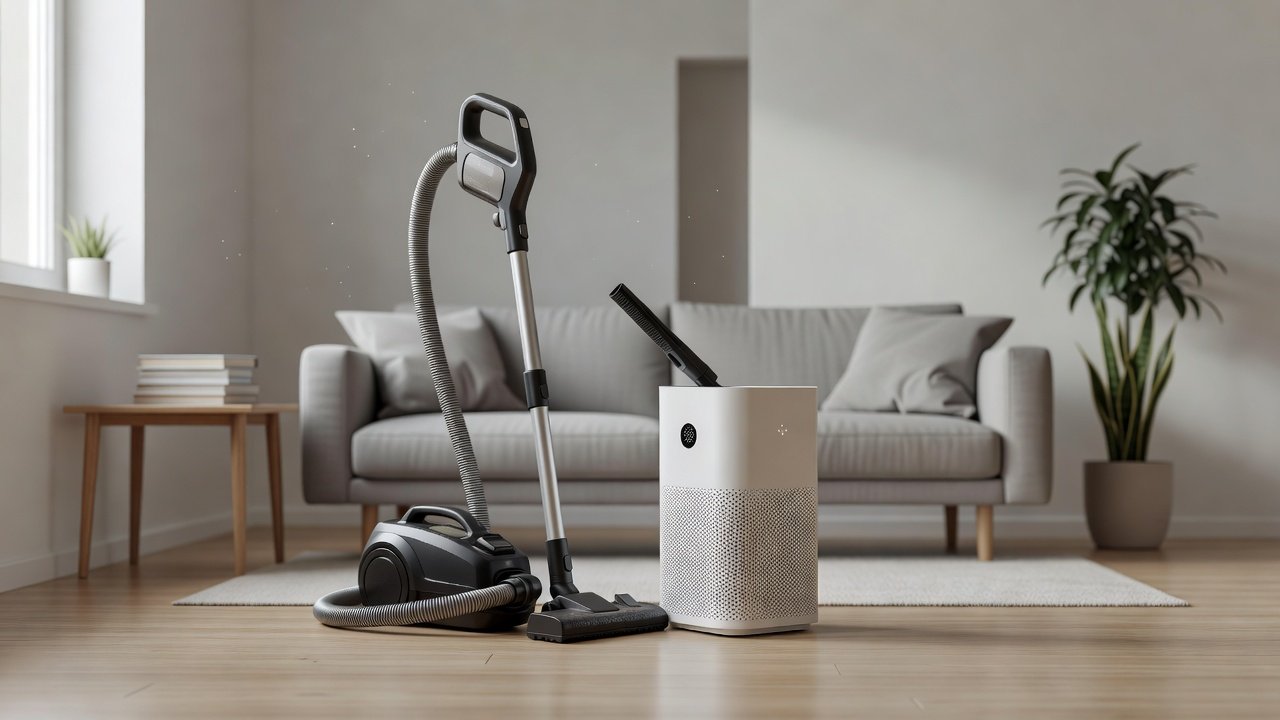
Vacuuming vents and pre-filters is generally safe with a soft brush on low suction, but it can damage HEPA media and sensors if misused. Learn how to do it safely.
An air purifier that has been in storage can have dust, stale filters, insects or moisture. Learn how to inspect, clean and restart it safely.
Check airflow, filter condition, indicator lights, noise and air quality changes to tell whether your air purifier is working properly. Here are simple tests.
A neglected air purifier may stop helping and in damp conditions can grow mold or release odors. Learn the risks, signs and what to do. This is not medical advice.
A dusty air quality sensor can give wrong readings and make your purifier run too fast or too slow. Learn the safe way to clean the sensor and when to leave it alone.
A humming air purifier is usually fan or motor sound, vibration against a surface or a loose part. Learn what is normal, how to reduce hum and when to call support.
A steam cleaner adds heat and moisture, which can warp plastic, damage filters and reach electronics. Learn why steam is risky and what to use instead.
If your air purifier surges, wobbles or runs unevenly after cleaning or a filter change, the cause is usually a seating issue, a damp part or a sensor reset. Here is how to fix it.
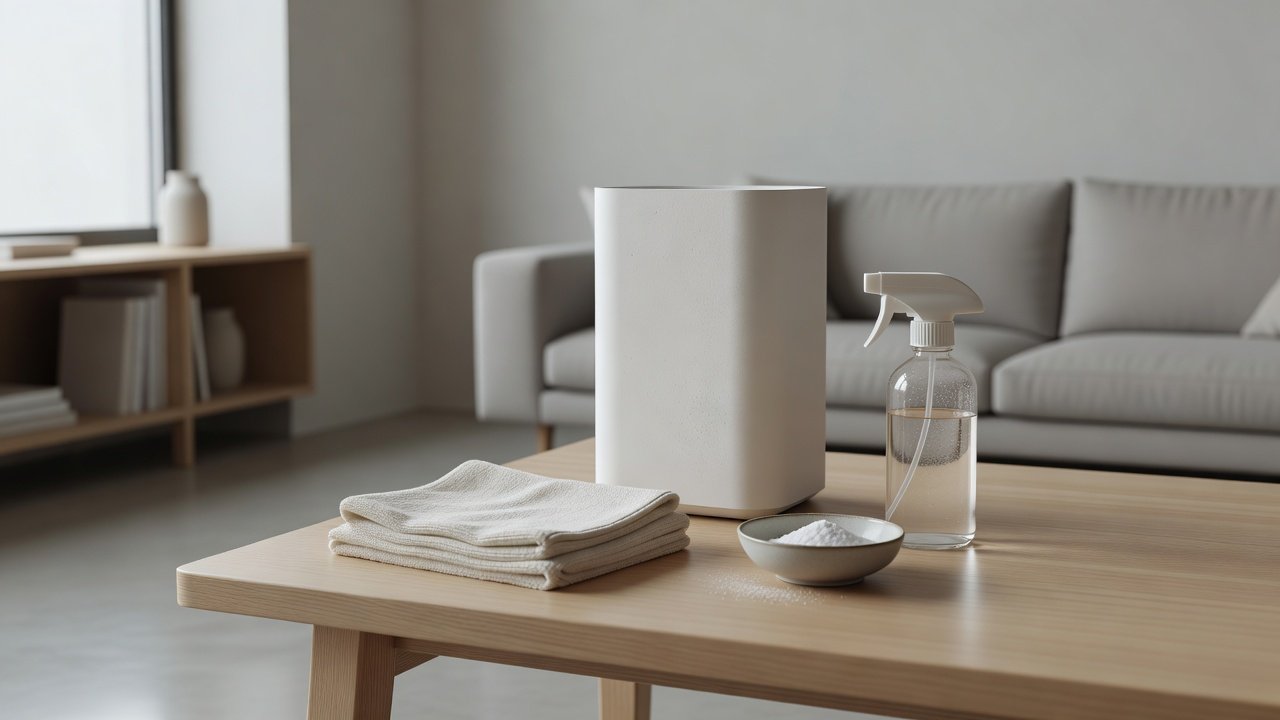
White mineral stains on an air purifier or its water tank can be removed safely with mild methods. Learn what works, what to avoid and how to prevent buildup.
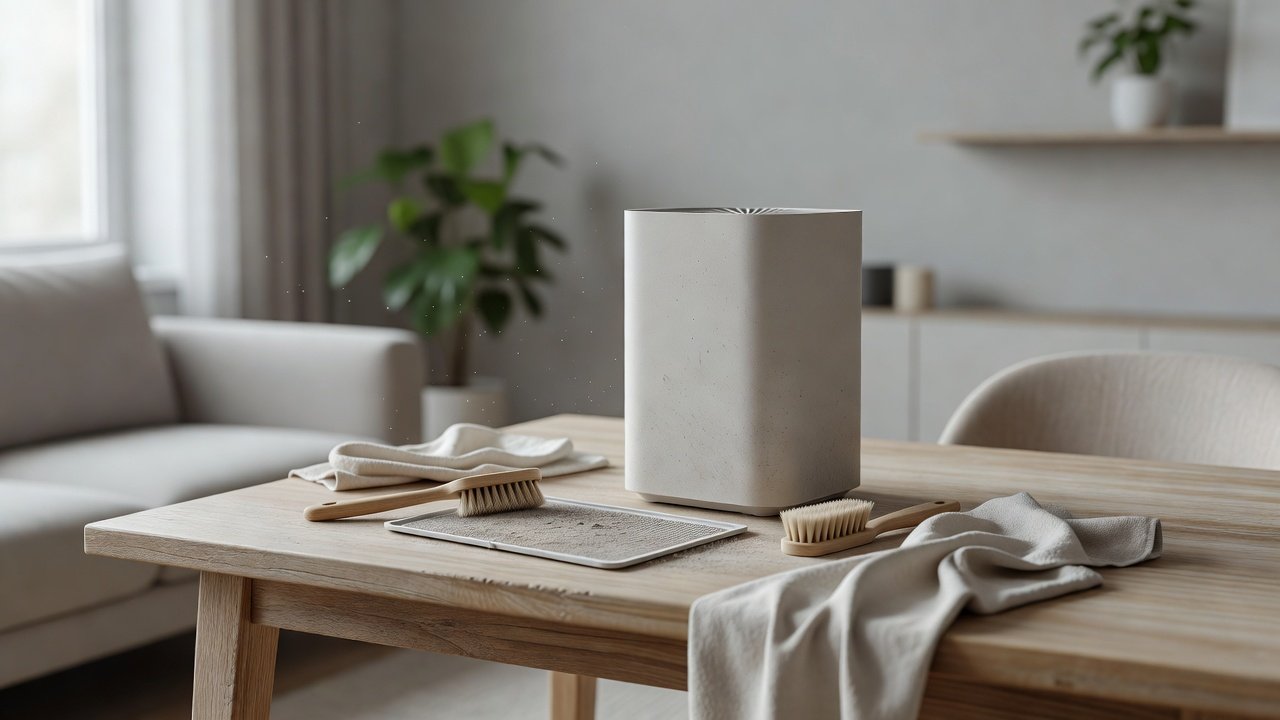
Electrostatic air cleaners use collection plates that need regular cleaning. Learn how to clean them safely, how often and what to know about ozone and residue.
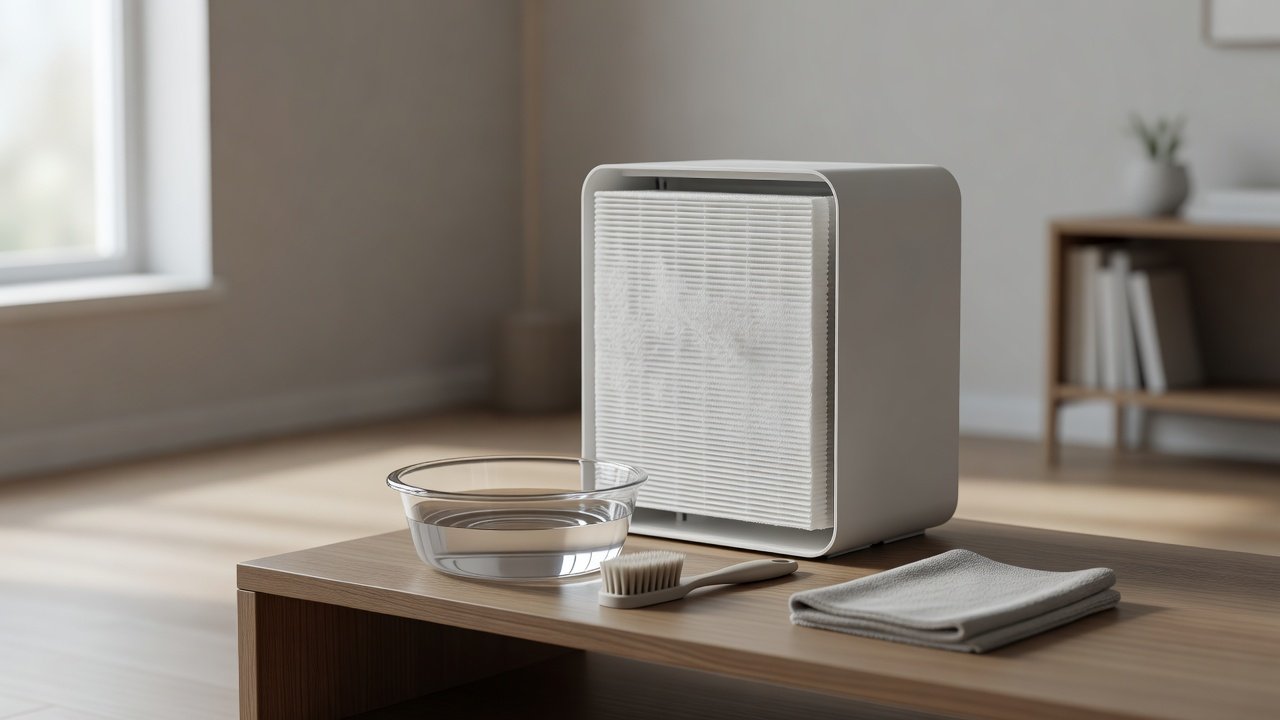
Most HEPA filters are not washable, but some are labeled washable. Learn how to check, how to clean one properly, how to dry it and when to replace it.
A bad smell from an air purifier can be musty, burnt, chemical or like old food. Match the smell to its likely cause and learn the fix, from filters to moisture to wiring.
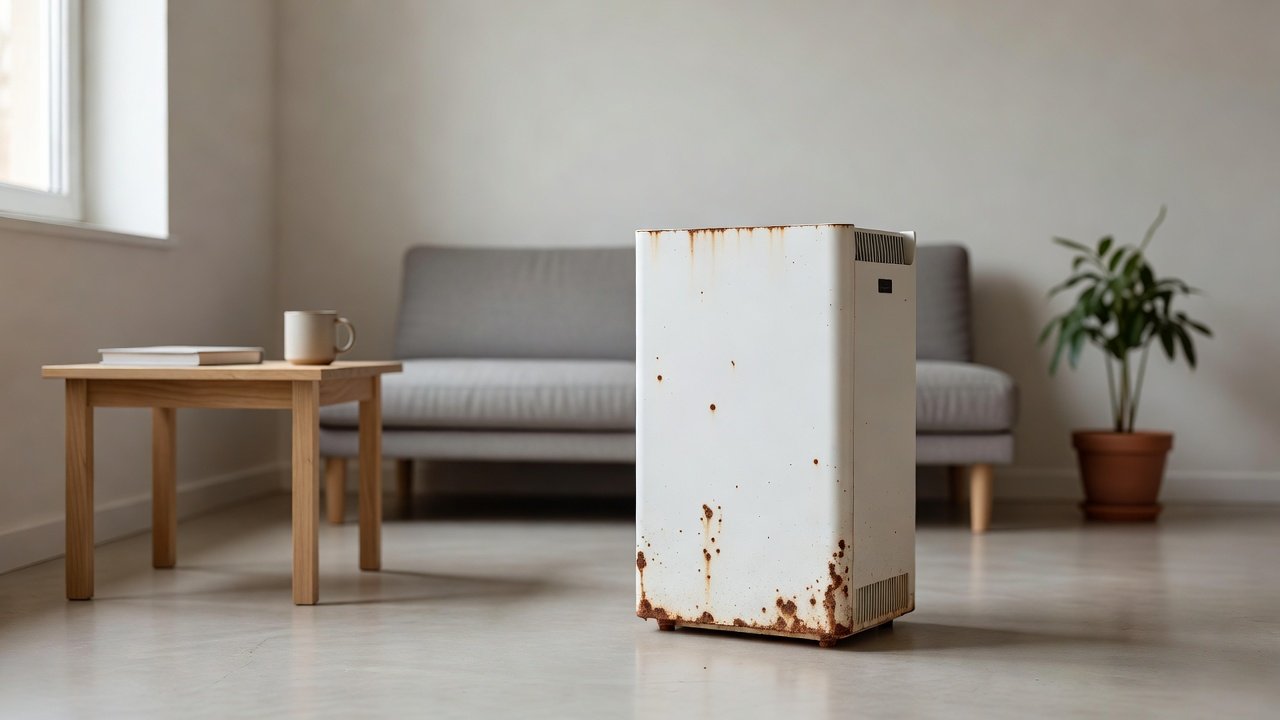
Air purifiers can show rust on metal parts in damp environments or after moisture exposure. Learn the causes, what rust means and how to prevent it.
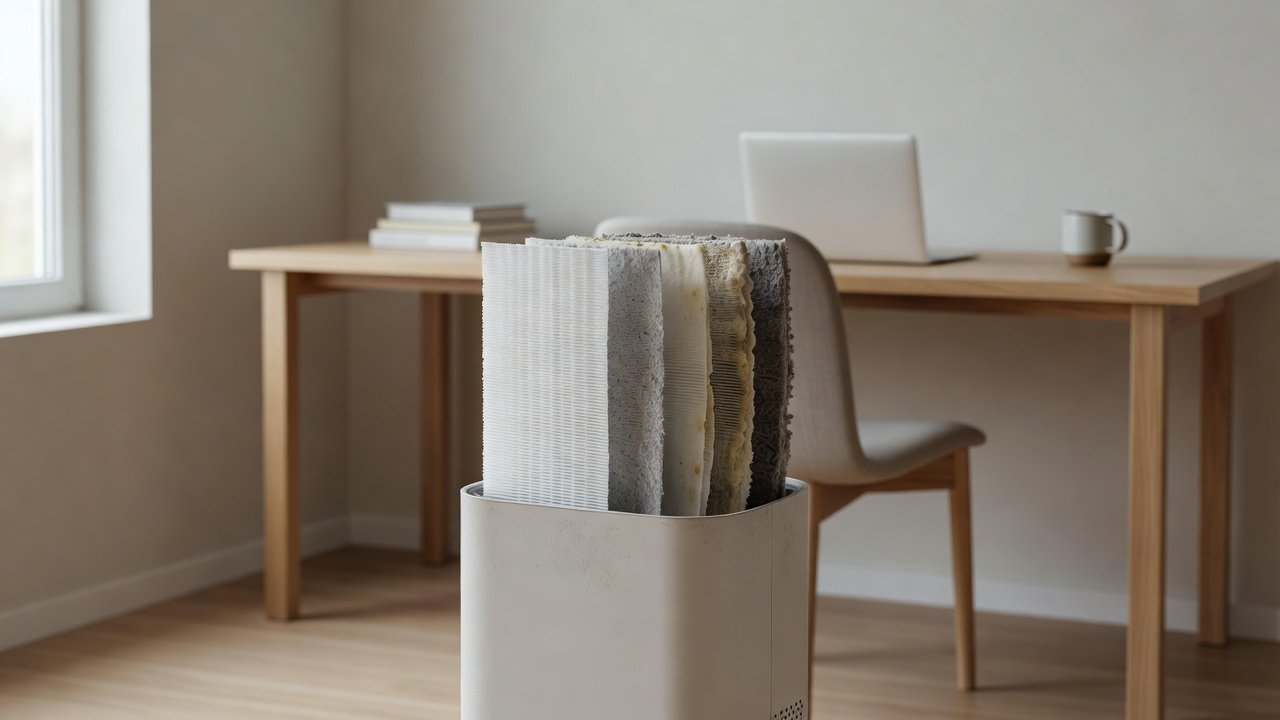
Air purifier filters last from weeks to a year or more depending on type and use. Learn typical lifespans for pre-filters, HEPA and carbon and what shortens them.
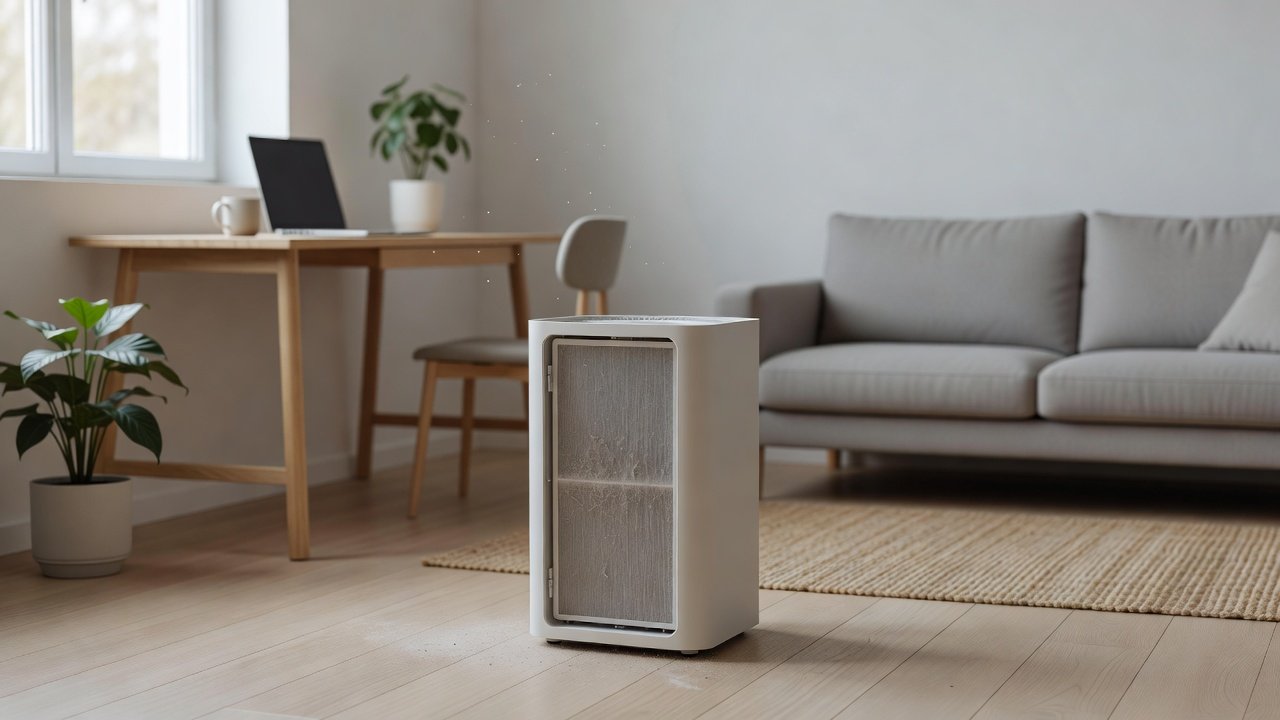
Pet hair and dander load air purifier filters fast. Learn how to remove hair from pre-filters, vent safely, when to replace HEPA and how to cut the load at home.